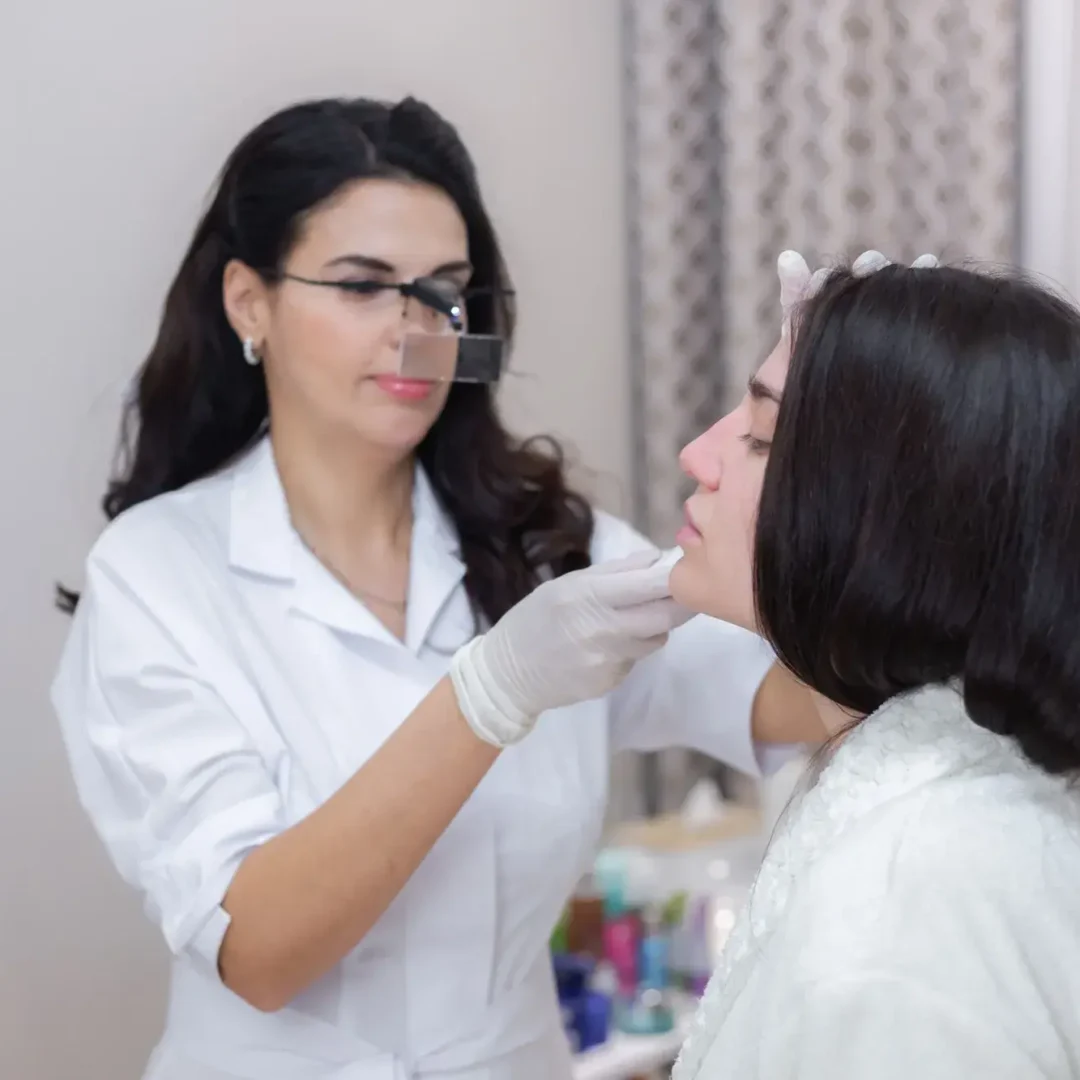
土耳其 performs more hair transplants than any other country, with roughly 100,000 procedures reported annually. It is also the country where the most documented complications, unlicensed-clinic scandals, and patient deaths from hair transplant tourism have been reported in the international press over the last three years. In 2025 alone, the UK Foreign Office confirmed seven British nationals died in Turkey following medical procedures,至少 28 British nationals died in Turkey after elective procedures between March 2019 and March 2024.
Both things are true at once. This guide is for US patients trying to navigate that reality.
Hair transplantation is a cosmetic surgical procedure. It is not experimental, and the techniques used in Turkey — Follicular Unit Extraction (FUE), Direct Hair Implantation (DHI), and occasionally Follicular Unit Transplantation (FUT) — are the same techniques used in US clinics. What differs in Turkey is price, volume, and regulatory enforcement.
The procedure is legal and widely performed. In 2023, the Turkish Ministry of Health published a dedicated framework — the Hair Transplant Units Regulation (Saç Ekimi Birimleri Hakkında Yönetmelik), Official Gazette No. 32182, 6 May 2023 — which tightened requirements on who may legally perform these procedures and what facilities must provide. The regulation was amended again in November 2023 and in 2025. The FDA does not regulate foreign clinics and has no jurisdiction over Turkish providers, but the CDC Yellow Book’s Medical Tourism chapter sets out the consumer guidance that applies here.
This article covers real costs from licensed clinics, what Turkish law requires, how to verify a surgeon’s credentials, documented risks, and the specific questions you should ask before booking — including questions most facilitators will not want you to ask.
What the data shows: costs, volume, and what “success” actually means
Turkey’s hair transplant sector is dominated by Istanbul. Industry estimates place the number of operating clinics in Istanbul alone at 超过500起, though the licensing status of these clinics varies significantly. Turkish industry observers and legal analyses report that a substantial share — as many as six out of every ten clinics by some accounts — operate outside the full licensing framework introduced in 2023.
Reported patient costs vary more than most articles admit. Media coverage of Turkish hair transplant pricing in 2025 cited a typical range of $1,800 to $4,500 compared to roughly $7,500 or more in the United States, but that range mixes licensed physician-led clinics with unlicensed operations, which is part of why the spread is so wide.
Broken out by clinic type, direct-inquiry quotes are more useful:
| Clinic type | Typical quoted range (USD) | 通常包括哪些内容 |
|---|---|---|
| JCI-accredited hospital, physician-performed | $ $ 3,500 6,500- | Surgery, 1 night stay, medications, airport transfer |
| Licensed private clinic, physician-led | $ $ 2,200 4,000- | Surgery, hotel, transfer, PRP add-on |
| High-volume “package” clinic | $ $ 1,500 2,500- | Surgery (often technician-assisted), hotel, transfer |
| Unlicensed operator | 在$ 1,500 | Avoid — see Risks section |
These ranges reflect prices publicly advertised by Istanbul clinics marketing to international patients. Exact pricing requires direct inquiry with a specific clinic.
Prices quoted in advertising are not always prices charged on-site — consumer reports and industry observers have noted that some clinics charge add-on fees or deliver fewer grafts than booked. Graft count drives price, but not as cleanly as most tables suggest. A 2,500-graft case in one clinic may cost less than a 1,800-graft case in another because pricing models differ. Some clinics charge per graft; others charge flat session fees regardless of count. When comparing quotes, ask for the flat total, the per-graft rate, and whether unused grafts are refunded.
The cost of a hair transplant in Turkey ranges from $1,500 to $4,000, depending on the clinic, the method used, and the number of grafts required.
这是详细的费用表,概述了土耳其提供的各种头发移植手术,包括平均价格范围。
| 程序 | 平均成本范围(美元) |
|---|---|
| 滤泡单位提取(FUE) | $ 1,500 - $ 3,500 |
| 直接植发(DHI) | $ 2,000 - $ 4,000 |
| 滤泡单位移植(FUT) | $ 1,500 - $ 3,000 |
| 胡子移植 | $ 2,000 - $ 4,000 |
| 眉毛移植 | $ 1,500 - $ 3,000 |
| 体毛移植 | $ 2,500 - $ 4,500 |
| 富血小板血浆(PRP)治疗 | 每节 $200 – $500 |
这是一份详细的费用表,列出了土耳其植发手术中不同数量的植发的相关费用。该表包括基于植发数量和所用典型技术的平均价格范围。
| 接枝数 | FUE 费用范围(美元) | DHI 费用范围(美元) | FUT 费用范围(美元) |
|---|---|---|---|
| 高达 1000个 | $ 1,500 - $ 2,000 | $ 2,000 - $ 2,500 | $ 1,500 - $ 2,000 |
| 1000 - 2000 | $ 2,000 - $ 2,500 | $ 2,500 - $ 3,000 | $ 2,000 - $ 2,500 |
| 2000 - 3000 | $ 2,500 - $ 3,000 | $ 3,000 - $ 3,500 | $ 2,500 - $ 3,000 |
| 3000 - 4000 | $ 3,000 - $ 3,500 | $ 3,500 - $ 4,000 | $ 3,000 - $ 3,500 |
| 4000 - 5000 | $ 3,500 - $ 4,000 | $ 4,000 - $ 4,500 | $ 3,500 - $ 4,000 |
| 5000年 | $ 4,000 - $ 4,500 | $ 4,500 - $ 5,000 | $ 4,000 - $ 4,500 |
What “success rate” means — and does not mean
Claims of “95% success rates” are common in Turkish clinic marketing. These numbers are almost never defined. In the clinical literature, a “successful” hair transplant typically refers to graft survival — the percentage of transplanted follicles that take root and produce hair. A 2025 scoping review in 美容整形外科 summarized the data across 43 studies, and a 2025 systematic review of graft survival in cicatricial alopecia documented that survival can vary considerably over time — averaging 82.7% at 7–12 months but declining substantially over five years in certain patient populations.
Graft survival is not the same as patient satisfaction, and it is not the same as a natural-looking result. A transplant can have 95% graft survival and still look unnatural if the hairline was poorly designed, the density is wrong, or the donor area was over-harvested. Success rates published without a definition should be treated as marketing, not data.
Turkey-specific details: regulation, licensing, and what Turkish law requires
监管框架
Hair transplantation in Turkey is regulated by the Turkish Ministry of Health (卫生部). Medical devices are separately regulated by TİTCK (土耳其药品和医疗器械局), the Turkish Medicines and Medical Devices Agency.
此 May 2023 Hair Transplant Units Regulation - described as the world’s first dedicated legal framework governing hair transplantation — established that hair transplant units can only operate within Ministry-licensed hospitals, medical centers, and polyclinics, and that only personnel certified by the Ministry can perform the procedure. The regulation created two certification tracks:
- Saç Ekimi Uygulayıcı Sertifikası (Hair Transplant Practitioner Certificate) — for physicians who perform surgical incisions
- Saç Ekimi Yardımcı Uygulayıcı Sertifikası (Assistant Practitioner Certificate) — for health professionals who may assist under physician supervision
Under the framework, dermatology specialists, plastic/reconstructive/aesthetic surgery specialists, and physicians holding a medical aesthetics certificate are the physicians eligible to perform hair transplants. Non-physicians — nurses, technicians, and medical assistants — cannot perform extraction incisions or recipient-site creation; they can only perform limited assistive functions under direct physician supervision.
Enforcement is ongoing and uneven. Turkish industry and legal sources have repeatedly reported that unlicensed clinics continue to operate, often with a “token” licensed physician on paper while technicians perform the actual surgery. Patients cannot assume a clinic is compliant just because it operates openly.
Accreditation — what counts and what does not
Real accreditations to look for:
- 国际联合委员会(JCI) — international hospital accreditation. A meaningful number of Turkish hospitals hold JCI, though most dedicated hair transplant clinics do not.
- ISO 9001 — a quality management standard. Common, but weaker evidence of clinical quality than JCI.
- Turkish Ministry of Health clinic license — the baseline legal requirement under the 2023 regulation. Ask to see the license number and verify it.
“Member of the Turkish Healthcare Travel Council” and similar trade-group memberships are not accreditations. They indicate the clinic pays dues.
Surgeon credentials — what actually matters
The credential that matters most internationally is membership in the 国际毛发修复外科协会(ISHRS),与 American Board of Hair Restoration Surgery (ABHRS) offering the only board certification focused specifically on hair restoration. Turkey has a number of ISHRS member surgeons, but they are a small fraction of the surgeons whose names appear in hair transplant marketing.
In Turkey, a licensed hair transplant physician will typically be trained in dermatology (皮肤科) or plastic, reconstructive and aesthetic surgery (整形、重建和美容外科). Turkish medical licenses are issued by the Ministry of Health and can be verified, though the verification process requires Turkish-language correspondence or an intermediary.
Ask every clinic: Which specific physician will perform my extraction and implantation? What is their Ministry of Health license number? Are they an ISHRS member? Cross-check their name in the ISHRS Find a Doctor directory. Get the answer in writing before booking travel.
Language support — the realistic version
“English-speaking staff” is genuinely common in Istanbul hair clinics. What is less common is an English-speaking surgeon who personally conducts your consultation and operates on you. Many clinics route consultations through sales coordinators (“patient consultants”) who speak fluent English but are not medically trained, then have brief physician contact on the day of surgery.
If surgeon access matters to you, ask for a video consultation with the operating surgeon — not a coordinator — before paying a deposit.
Entry requirements for US citizens
截至 presidential decree published on 23 December 2023 in the Official Gazette, US citizens no longer require a visa to enter Turkey for tourism or short-term business stays of up to 90 days within any 180-day period。 该 US Embassy in Türkiye confirms ordinary US passport holders are visa-exempt for stays up to 90 days.
Bring: a valid US passport with at least six months’ validity remaining from your date of entry, at least one blank visa page, a return ticket, clinic appointment confirmation, and proof of accommodation. US patients should also review the current US State Department Turkey travel advisory before travel, which is at Level 2 (“Exercise Increased Caution”) as of March 2026, with specific “Do Not Travel” designations for southeast Türkiye.
风险和危险信号
Documented medical risks
Hair transplantation is low-risk compared to most cosmetic surgeries, but it is not zero-risk. A 2025 scoping review in 美容整形外科 found that two large series reported overall complication rates of 1.2% and 4.7%, with individual complications including bleeding requiring intervention (up to 8%), persistent numbness (up to 11%), and infection (up to 11%). A separate 2025年系统回顾和荟萃分析 analyzing 45 studies documented pain and discomfort as the most commonly reported complications, along with cases of arteriovenous fistulas (notably associated with FUE using punch graft technique).
Documented complications include:
- 手术部位感染
- Folliculitis in recipient or donor area
- Poor graft survival leading to patchy, unnatural growth
- Donor area scarring, including “moth-eaten” appearance from over-harvesting
- Persistent numbness from nerve disruption
- Cyst formation at graft sites
- Necrosis of the scalp — rare but documented, more commonly reported when large sessions exceed 4,000 grafts in a single day
- Arteriovenous fistulas — rare, most associated with punch-graft FUE technique
The deaths
Between 2023 and 2025, international media reported multiple deaths of foreign patients linked to hair transplant and broader cosmetic procedures in Turkey. A Guardian-reported case from July 2025 involved a 38-year-old British man, Martyn Latchman, who died after becoming unwell at an Istanbul hair transplant clinic; Turkish prosecutors are reportedly considering indictments on “reckless homicide” charges against clinic staff. A separate case in November 2025 involved a 36-year-old British man, Mentor Rama, who died in Istanbul after combined hair transplant and dental treatment during a week-long trip.
此 British Association of Aesthetic Plastic Surgeons has reported a 94% rise in cosmetic-tourism complications over three years, with the majority of those cases tied to Turkey. The ISHRS has acknowledged that reports of deaths during or after hair transplant procedures have seen an uptick in recent years, associated with inexperience or the unlicensed practice of medicine in this field, citing medication toxicity from local anesthetic, cardiac arrhythmia, and related causes.
The total number of deaths is small relative to the roughly 100,000 hair transplants performed annually in Turkey, but the cases share common features: high-volume package clinics, minimal pre-operative cardiac screening, and concerns about lidocaine toxicity from excessive or improperly administered anesthesia. This is the risk most competitor articles do not mention. It is real, it is documented, and it is why pre-operative cardiac screening and a licensed anesthesiologist on-site are not optional questions.
应避免光顾的诊所的警告信号
- Price significantly below the licensed-clinic range (under $1,500 all-in) — almost always indicates a technician-performed operation
- Cannot or will not name the operating surgeon before booking
- No pre-operative blood work or cardiac screening requested
- Consent forms provided only on the morning of surgery, in Turkish, with no English translation reviewed in advance
- Cash-only or crypto-only payment
- No written follow-up care plan for after you return home
- No emergency contact number for complications post-return
- Guarantees of a specific hair density or “100% success”
- Sessions over 4,500 grafts promised in a single day
The ISHRS “black market” warning
The International Society of Hair Restoration Surgery has issued repeated public warnings about unlicensed practitioners performing hair transplants globally. The ISHRS Consumer Alert states explicitly that a licensed physician must perform all surgical incisions or excisions that are part of the procedure, and warns that “when doctors advertise their credentials and then delegate the surgery to unlicensed personnel, patients are being misled and placed at risk.” The Society maintains a dedicated “Fight the FIGHT” consumer awareness campaign focused specifically on black-market hair restoration clinics and the “token doctor” model in which a licensed physician rotates between rooms while technicians perform the actual surgery.
When you should not travel for this
- You have uncontrolled hypertension, diabetes, or a cardiac condition that has not been cleared by a cardiologist within the last six months
- You take blood thinners and cannot safely pause them
- You have an active scalp condition (psoriasis, seborrheic dermatitis, active alopecia areata)
- Your hair loss has not stabilized — transplanting into actively progressing loss produces poor long-term results
- You cannot commit to a 10–14 day recovery window before flying
- You do not have a plan for follow-up care in the US if complications appear after you return
预订前需要询问的问题
Ask these exact questions, in writing, and save the answers.
- Which specific physician will perform my extraction and implantation? Provide their full name and Turkish Ministry of Health license number.
- Is this physician an ISHRS member? If yes, provide their name so I can verify in the ISHRS Find a Doctor directory.
- Are any parts of the extraction or implantation performed by non-physician staff? If yes, which parts and under what supervision?
- What is your clinic’s Ministry of Health Hair Transplant Unit Operating License number, and when was it last renewed?
- Do you hold JCI, Temos, or ISO 9001 accreditation? Provide certificate numbers.
- Will a licensed anesthesiologist be present during surgery, or is local anesthesia administered by the operating team?
- What pre-operative testing do you require? Specifically, do you require an ECG and blood work before surgery?
- Provide the informed consent document in English at least 48 hours before surgery, not on the day of.
- What is the maximum number of grafts you will extract in a single session, and what is your policy if you recommend fewer than I requested?
- Is the price quoted final, or are there add-on fees (PRP, medications, extended graft count) that may appear on-site?
- What is your written follow-up protocol for the 12 months after surgery, and how do you handle complications that appear after I return to the US?
- Provide a direct emergency contact number — a physician, not a coordinator — that I can reach for 30 days after surgery.
- Does the clinic carry malpractice insurance valid for international patients? Provide the carrier and policy details.
- What is your refund policy if I arrive and decide not to proceed, or if the recommended graft count differs from what was quoted?
- Provide five unedited, dated patient case photos at the 12-month mark — not before/after composites from the clinic’s marketing.
常见问题
Is a hair transplant in Turkey safe?
It can be, at a licensed clinic with a physician-performed procedure and proper pre-operative screening. The safety question is clinic-specific, not country-specific. High-volume unlicensed operations account for most documented serious complications, and the ISHRS considers unlicensed technician-performed hair transplants a global patient-safety issue that is not unique to Turkey but is especially prevalent there.
Why is it cheaper in Turkey?
Lower cost of living, lower physician labor costs, the Turkish lira’s exchange rate, and a high-volume competitive market. Prices below roughly $1,500 all-in typically reflect technician-performed operations, not genuine efficiency.
How do I verify a Turkish surgeon’s credentials from the US?
Cross-check their name in the ISHRS Find a Doctor directory. For Turkish Ministry of Health license verification, you typically need to request the license number from the clinic and submit a verification inquiry — a Turkish-speaking intermediary or your facilitator can help.
如果我飞回家后出现并发症怎么办?
This is the weakest link in hair transplant tourism. Most US dermatologists and plastic surgeons will treat infections or complications, but they cannot revise a poorly done transplant without starting over. Confirm before booking that your Turkish clinic has a written protocol for remote follow-up and a physician contact reachable from the US.
Is FUE or DHI better?
The outcomes data does not show a clear, consistent advantage of DHI over FUE in experienced hands. Multiple recent reviews, including a 2025 美容整形外科 范围审查, confirm that graft survival rates for both methods cluster in the 85–95% range when performed by properly trained teams; the foundational 2013 paper by Sethi and Bansal in the 皮肤美容外科杂志 established DHI as a modified FUE technique rather than a fundamentally different procedure. DHI uses a Choi implanter pen, which can allow denser packing in detailed zones such as hairlines, but does not inherently produce better results. Surgeon skill matters more than technique.
Can women get hair transplants in Turkey?
Yes, though female pattern hair loss often has a different underlying cause than male pattern loss and requires a medical workup (thyroid, ferritin, hormonal assessment) before transplantation is appropriate. A clinic that does not ask for this workup is not treating female patients properly.
保险涵盖吗?
US health insurance does not cover hair transplantation. It is classified as cosmetic. This applies whether the surgery is performed domestically or abroad.
How long before I see final results?
Transplanted hair sheds within 2–6 weeks (“shock loss”), regrowth begins around month 3–4, and final density is evaluated at 12 months.
环球医疗旅行社提供的服务
环球医疗旅游 is a medical travel facilitator based in the United States. We are not a medical provider, we do not perform procedures, and we do not employ physicians.
For hair transplant patients considering Turkey, we verify clinic licensing with the Turkish Ministry of Health, confirm the named operating physician’s credentials before booking, and arrange logistics (flights, hotel, transfers). We do not perform the surgery, issue medical advice, or guarantee outcomes.
Patients are responsible for independently verifying: their own medical fitness for surgery (with their US physician), the specific surgeon’s current license status, and their own post-operative follow-up arrangements in the US. We will tell you clearly when we believe a clinic is not a good choice, including when a clinic’s quote is suspiciously low.
If you want an honest answer about whether Turkey is the right country for your case, ask us. Sometimes it is not.
引用来源
- US Centers for Disease Control and Prevention — 医疗旅游, CDC Yellow Book: https://www.cdc.gov/yellow-book/hcp/health-care-abroad/medical-tourism.html
- US Department of State — Turkey Travel Advisory: https://travel.state.gov/content/travel/en/traveladvisories/traveladvisories/turkey-travel-advisory.html
- US Embassy in Türkiye — Obtaining a Visa for Türkiye: https://tr.usembassy.gov/obtaining-a-visa-for-turkiye/
- Turkish Official Gazette (官方报纸) - Saç Ekimi Birimleri Hakkında Yönetmelik (Regulation on Hair Transplant Units), No. 32182, 6 May 2023: https://www.resmigazete.gov.tr/eskiler/2023/05/20230506-11.htm
- Turkish Official Gazette — Regulation Amending the Regulation on Hair Transplant Units, November 2023 (LEXPERA archive): https://www.lexpera.com.tr/resmi-gazete/metin/sac-ekimi-birimleri-hakkinda-yonetmelikte-degisiklik-yapilmasina-dair-yonetmelik-32358
- TİTCK — Turkish Medicines and Medical Devices Agency: https://www.titck.gov.tr/
- ISHRS — Consumer Alert: Unlicensed Personnel Performing Hair Restoration Surgery: https://ishrs.org/consumer-alert-false-advertising/
- ISHRS “Fight the FIGHT” — What Is a Black Market Clinic in Hair Restoration?: https://fightthefight.ishrs.org/what-is-a-black-market-clinic-in-hair-restoration/
- ISHRS “Fight the FIGHT” — FAQs: Hair Transplant Black Market: https://fightthefight.ishrs.org/faqs-hair-transplant-black-market/
- ISHRS — 寻找医生 目录: https://ishrs.org/find-a-doctor/
- American Board of Hair Restoration Surgery: https://abhrs.org/
- 国际联合委员会: https://www.jointcommissioninternational.org/
- Liu RH et al., 2025, A Scoping Review on Complications in Modern Hair Transplantation, Aesthetic Plastic Surgery: https://link.springer.com/article/10.1007/s00266-024-04316-3
- Khatib M, Skorochod R, Wolf Y, 2025, Complications Following Hair Transplantation: A Systematic Literature Review and Meta-Analysis, Aesthetic Plastic Surgery (PubMed): https://pubmed.ncbi.nlm.nih.gov/40913181/
- Yii V, 2025, A Systematic Review of Follicular Unit Graft Survival Rates After Hair Transplantation in Primary Cicatricial Alopecia, Dermatologic Surgery (PubMed): https://pubmed.ncbi.nlm.nih.gov/40439233/
- Sethi P, Bansal A, 2013, Direct Hair Transplantation: A Modified Follicular Unit Extraction Technique, Journal of Cutaneous and Aesthetic Surgery (PMC): https://pmc.ncbi.nlm.nih.gov/articles/PMC3696232/
- Turkish Minute, August 2025 — British Man Dies After Falling Ill at İstanbul Hair Transplant Clinic: https://www.turkishminute.com/2025/08/04/british-man-dies-after-falling-ill-at-istanbul-hair-transplant-clinic/
- Oral Health Group, November 2025 — British Man, 36, Dies After Hair Transplant and Dental Treatment in Turkey: https://www.oralhealthgroup.com/dental-governance-regulations/another-british-man-36-dies-after-hair-transplant-and-dental-treatment-in-turkey-1003991812
- Yorkshire Live (citing UK FCDO), March 2026 — Foreign Office Issues Turkey Travel Advice After Seven Brits Die: https://www.examinerlive.co.uk/news/uk-world-news/foreign-office-issues-turkey-travel-33545259
- The Daily Guardian, August 2025 — Cheaper Hair Transplant Turns Deadly (cites BAAPS 94% complication-rise figure): https://thedailyguardian.com/world/middle-east/cheaper-hair-transplant-turns-deadly-british-man-dies-after-5-hour-procedure-in-turkey-632396/
- TheGrio, August 2025 — British Man Dies During Prep for Hair Transplant in Turkey (cites Turkish pricing range and 100,000 annual-procedure figure): https://thegrio.com/2025/08/05/british-man-dies-during-prep-for-hair-transplant-in-turkey-clinic-responds/
- The Jerusalem Post, 2026 — Guide to the Best Hair Transplant in Turkey and Medical Standards (clinic-count estimate): https://www.jpost.com/consumerism/article-892442
- Penningtons Law — Unlicensed and Illegal Turkish Clinics Threaten Hair Transplant Tourism (unlicensed-clinic prevalence): https://www.penningtonslaw.com/insights/unlicensed-and-illegal-turkish-clinics-threaten-hair-transplant-tourism/
- Medart Hair — Hair Transplant Laws and Safety Regulations in Turkey (secondary summary of Turkish regulation): https://www.medarthair.com/hair-transplant-turkey/laws-regulations/
- Mayer Brown / Mobile Workforce — Türkiye Enables Visa-Free Travel for USA, Canada, and Other Nationals (Presidential Decree, 23 Dec 2023): https://www.mobilework.law/2024/01/turkiye-enables-visa-free-travel-for-usa-canada-and-other-nationals/
重要提示: This article provides general information about hair transplantation in Turkey and is not medical advice. Hair transplantation carries specific risks including infection, graft failure, scarring, persistent numbness, anesthetic reactions, and in rare documented cases, cardiac events and death. The procedure is not appropriate for all patients, and eligibility depends on your overall health, the stability of your hair loss, and clinical findings that only a qualified physician can assess in person. Regulatory oversight of hair transplant clinics varies significantly within Turkey — verify clinic licensing and surgeon credentials independently before proceeding. Prices, clinic offerings, and regulations change frequently — verify all specifics directly with clinics before committing. Consult a licensed physician who has reviewed your complete medical history before making any treatment decision or traveling abroad. Universal Medical Travel is a medical travel facilitator and does not provide medical services.
最后更新时间:2026 年 XNUMX 月
您的健康之旅从这里开始 – 今天就与我们的顾问联系!
请填写并提交患者信息表,以授权我们的机构将您受保护的健康信息转发给您选择的医疗保健提供者。使用折扣代码 UMT5% 可享受 5% 的治疗折扣。
患者信息表案例
本文所用信息均来自医学和监管方面的资料。