

Bangpakok 9 International Hospital Thailand
Brazlian Butt Lift Breast Implants breast Lift Breast Reduction

Bangpakok 9 International Hospital

Bangpakok 9 International Hospital (BPK9) is a leading private, multispecialty hospital in Bangkok, Thailand, known for delivering comprehensive medical care under international standards with a strong focus on holistic treatment, advanced technology, and compassionate service guided…

View Clinic

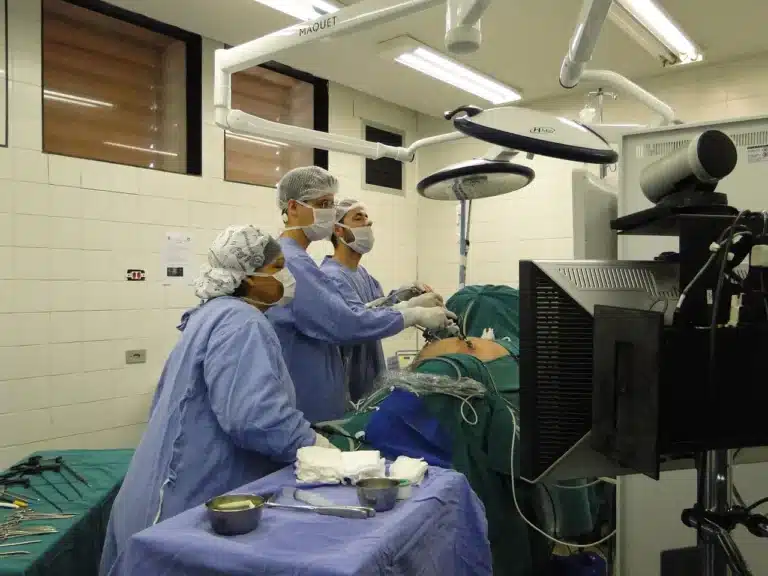
Bangkok Hospital Thailand
Cardiology Dental Work Orthopedic Surgery Penile Surgery

Bangkok Hospital

Bangkok Hospital is one of Thailand’s most established and internationally recognized tertiary care hospital networks, operating under the Bangkok Hospital Group (BDMS). With a nationwide and international presence, the hospital provides comprehensive, multidisciplinary medical care supported…

View Clinic

Why Choose Thailand for Urology?

Thailand has emerged as one of the world's most trusted destinations for Urology, combining medical excellence, affordability and patient-centered care. Patients choose Thailand for Urology thanks to internationally accredited hospitals, board-certified specialists and significantly lower costs compared to North America and Europe — often saving 50–70% without sacrificing quality.

  • Internationally accredited facilities — many Thailand hospitals hold JCI, ISO and other globally recognized certifications.
  • Highly trained specialists — surgeons performing Urology in Thailand often have international training and high case volumes.
  • Significant cost savings — Urology in Thailand typically costs a fraction of Western prices.
  • Modern technology — leading clinics use the latest equipment and follow international best practices.
  • English-speaking staff and patient coordinators — ensuring clear communication throughout your journey.
  • Comprehensive aftercare — many facilities offer dedicated medical tourism packages with recovery support.

Who Is a Good Candidate for Urology in Thailand?

Choosing to travel to Thailand for Urology is a personal decision. The ideal candidate is in good general health, has realistic expectations about outcomes and is willing to plan ahead for travel, recovery and follow-up care.

  • Adults in stable physical and mental health, with conditions appropriate for Urology.
  • Non-smokers (or willing to stop before and after the procedure) for optimal healing.
  • Patients seeking a more affordable, accessible alternative to Urology at home.
  • Those able to plan a recovery stay in Thailand as recommended by the surgeon.
  • People with realistic expectations about the procedure's benefits and limitations.
  • Patients prepared to attend pre-op consultations and follow post-op care instructions.

If you have complex underlying conditions or are unsure whether you qualify, the hospitals listed above provide free consultations to evaluate your suitability for Urology.

Frequently Asked Questions

Why is Thailand a good destination for Urology?

Thailand combines internationally accredited hospitals, experienced specialists and significantly lower costs for Urology — typically 50–70% less than in the US, UK or Canada. Many surgeons performing Urology in Thailand trained at top international institutions, and facilities meet global standards of care.

How much does Urology cost in Thailand?

Costs for Urology in Thailand vary based on the specific procedure, hospital and surgeon's experience. As a guide, Urology in Thailand is generally a fraction of the price charged in North America or Western Europe. Each hospital listed above provides personalized quotes after reviewing your case.

Are hospitals in Thailand accredited for Urology?

Yes — leading hospitals in Thailand offering Urology hold international accreditations such as JCI (Joint Commission International), ISO and country-specific health ministry certifications. Always verify accreditation status before booking.

How long should I stay in Thailand for Urology?

The length of stay depends on the specific Urology procedure. Most patients stay 7–14 days in Thailand — covering pre-op consultations, the procedure and initial recovery before traveling home. Your surgeon will provide a personalized timeline.

Are surgeons in Thailand qualified to perform Urology?

Surgeons performing Urology at the hospitals listed above are board-certified and often have international training, fellowships and high case volumes. Many publish in peer-reviewed journals and belong to international professional associations relevant to Urology.

What is the recovery time for Urology in Thailand?

Recovery time varies by procedure type and individual factors. Most patients can return to light activities within days, while full recovery may take several weeks. Your Thailand surgeon will outline specific milestones and provide tailored aftercare instructions.

Is Urology in Thailand safe for international patients?

Urology at accredited hospitals in Thailand is generally safe and follows the same medical protocols used at top international institutions. Choose a JCI-accredited or equivalent facility, verify your surgeon's credentials and discuss potential risks during your consultation.

Do Thailand hospitals offer English-speaking staff for Urology patients?

Yes — leading Thailand hospitals handling international Urology patients have dedicated English-speaking patient coordinators, surgeons and nursing staff. Many also offer support in additional languages such as Spanish, Arabic, French and Russian.

What should I look for when choosing a Urology clinic in Thailand?

Verify (1) hospital accreditation, (2) the surgeon's credentials and case volume in Urology, (3) patient reviews and outcome evidence, (4) clear quotes including all fees, (5) post-operative care arrangements and (6) a strong international patient services department.

Do Thailand hospitals offer aftercare for Urology patients?

Most leading Thailand hospitals provide structured aftercare for international Urology patients, including in-person follow-ups during your stay and remote consultations once you return home. Many coordinate with local doctors in your country for continuity of care.

End of content

No more pages to load