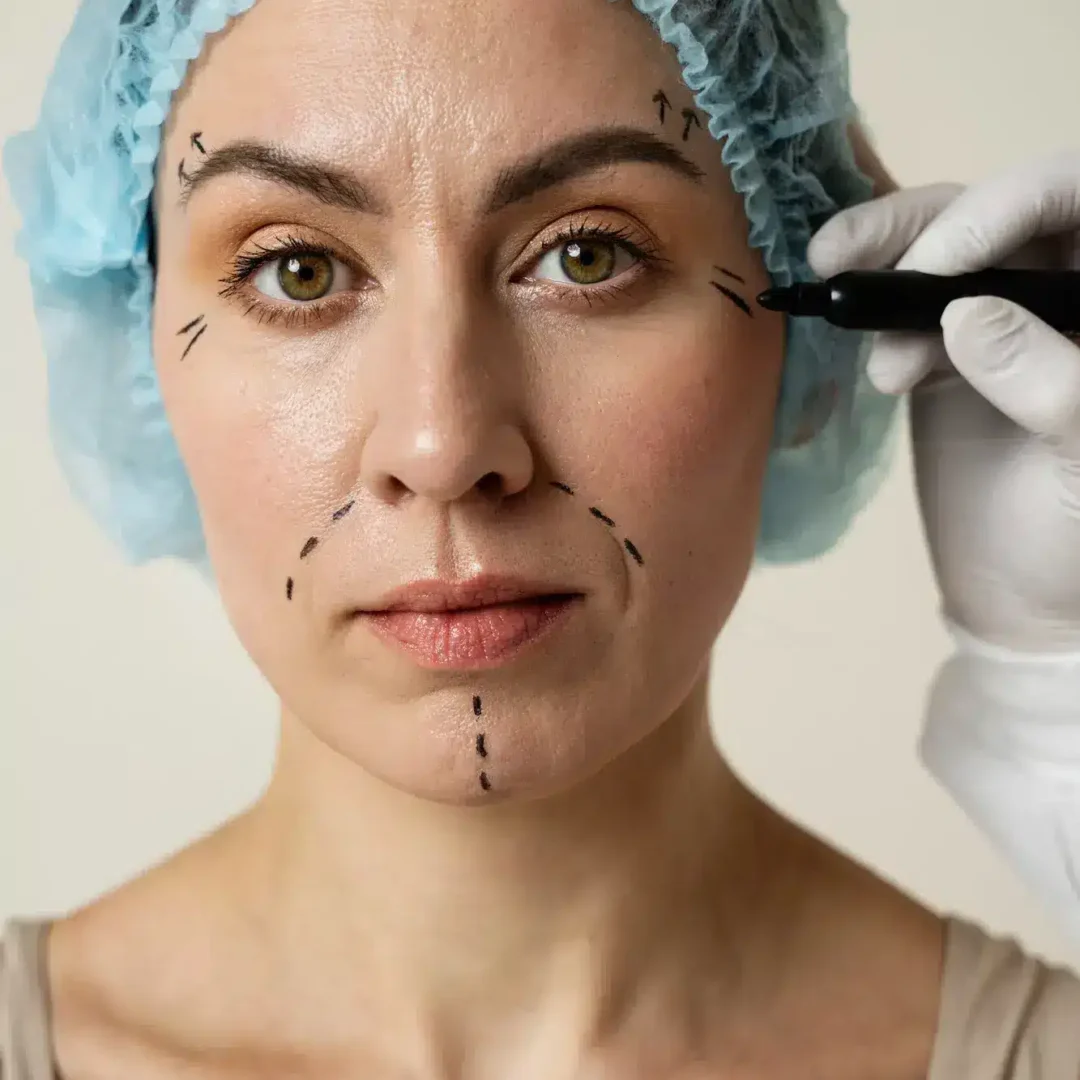
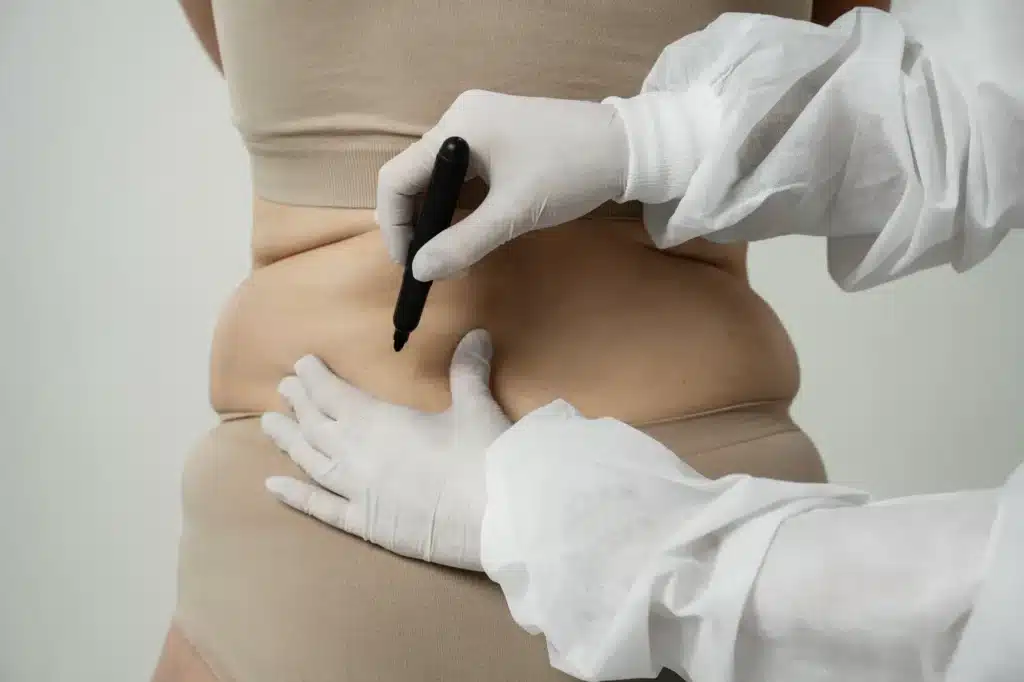
AirSculpt in Mexico typically costs between $3,000 and $8,000 per area. The closest alternatives to AirSculpt in Mexico include VASER Liposuction, which uses third-generation ultrasound energy to selectively emulsify fat cells before removal.
If you searched for AirSculpt in Mexico, you deserve a direct answer before reading further: AirSculpt is a proprietary procedure offered exclusively through Elite Body Sculpture, a US-based clinic chain. Elite Body Sculpture has no locations in Mexico — the brand operates 31 locations across North America, all within the United States and one in Toronto, Canada. The technique is patented and not licensed to third-party providers outside this network.
This matters. Some clinics in Mexico may use the term “AirSculpt-like” or “AirSculpt technique” in their marketing. Those descriptions are not sanctioned by the procedure’s developer and cannot be verified as equivalent. If a Mexican clinic claims to offer “AirSculpt,” ask for written documentation of their license or affiliation with Elite Body Sculpture. None is expected to exist as of this writing.
That said, several well-documented minimally invasive fat removal techniques are legitimately available in Mexico, regulated under COFEPRIS (Mexico’s Federal Commission for Protection against Sanitary Risks), and offered at significantly lower cost than equivalent US procedures. This article covers those alternatives honestly — including their documented risks, realistic cost ranges, and the questions you should ask before booking.
This article does not constitute medical advice. Body contouring procedures carry real surgical risks. Consult a licensed physician who has reviewed your complete medical history before making any decision.
What the Data Shows on Cost and Outcomes
AirSculpt in Mexico typically costs between $3,000 and $8,000 per area, making it a more affordable option than in the U.S. Prices vary based on the clinic, surgeon expertise, and specific procedure. Additional fees for consultations, anesthesia, or aftercare may also apply.
The cost of body contouring procedures in Mexico is significantly lower than in the U.S. Here’s a breakdown of estimated costs for popular fat removal procedures:
- Traditional Liposuction: $1,500 – $3,500 per area
- Laser Liposuction: $2,000 – $4,000 per area
- VASER Liposuction: $2,500 – $5,000 per area
Cost Comparison: Mexico vs. the US
Liposuction pricing varies widely based on the technique, number of treatment areas, anesthesia type, facility fees, and surgeon experience. The table below reflects reported ranges. These are not quotes — contact individual clinics directly for current pricing.
| Procedure | US Range (est.) | Mexico Range (est.) | Notes |
|---|---|---|---|
| Traditional liposuction (1 area) | $3,000–$7,500 | $1,500–$3,500 | Most widely available |
| Laser liposuction (e.g., SmartLipo) | $3,500–$8,000 | $2,000–$4,500 | Device brand varies by clinic |
| VASER liposuction (1 area) | $4,000–$10,000 | $2,500–$5,500 | Requires ultrasound-trained surgeon |
| AirSculpt (US only) | $6,000–$15,000+ | Not available | Elite Body Sculpture US/Toronto locations only |
Mexico ranges are market estimates based on publicly available clinic pricing. Multi-area cases and 360° body contouring are priced separately. Verify current pricing directly with any clinic before committing.
According to analysis by Global Health Intelligence, Americans traveling to Mexico for medical procedures save an average of 40–60% compared to equivalent US costs, with cosmetic surgery savings reported as high as 75%. However, that cost gap can narrow if complications require follow-up care after returning home — a factor most cost comparison guides omit.
The Closest Alternatives to AirSculpt in Mexico
VASER Liposuction
VASER (Vibration Amplification of Sound Energy at Resonance) uses third-generation ultrasound energy to selectively emulsify fat cells before removal, while preserving surrounding connective tissue, nerves, and blood vessels. A 2022 clinical series published in Aesthetic Plastic Surgery (Tran et al., 261 patients over 15 years) found that VASER liposuction produced lower complication rates than traditional liposuction and achieved equivalent or higher patient satisfaction, with enhanced skin tightening as an additional benefit. It is the technique most often cited by surgeons as the closest functional equivalent to AirSculpt in terms of precision and reduced tissue trauma.
Not every Mexican clinic offering VASER has a surgeon trained specifically in VASER technique. Ask explicitly about the surgeon’s VASER training and documented case volume before booking.
Laser Liposuction (SmartLipo, SlimLipo)
Laser-assisted liposuction uses thermal laser energy to liquefy fat before aspiration and simultaneously stimulates collagen contraction, which can improve skin tightening in patients with mild laxity. A systematic review in Aesthetic Plastic Surgery found that laser-assisted liposuction demonstrated advantages over traditional liposuction in fat reduction, skin retraction, and patient satisfaction, while cautioning that high variability in study quality limits definitive conclusions. Results are surgeon- and technique-dependent; the device brand used (SmartLipo uses a Cynosure system; SlimLipo uses Palomar) also varies by clinic.
Traditional Tumescent Liposuction
Tumescent liposuction — injecting a saline-epinephrine solution before fat removal — remains the most common liposuction technique globally and the most extensively studied. It is not a lesser option for patients seeking volume reduction over precision sculpting. For patients removing larger fat deposits, it may be more appropriate than VASER or laser techniques, and it is more widely available from a broader range of trained surgeons in Mexico.
Mexico-Specific Details: Regulation, Clinics, and Logistics
Regulatory Framework
Cosmetic surgery clinics in Mexico are licensed and regulated by COFEPRIS (Comisión Federal para la Protección contra Riesgos Sanitarios), the federal agency under Mexico’s Ministry of Health. COFEPRIS issues operating licenses to surgical facilities and registers medical devices used in clinical practice.
COFEPRIS registration does not guarantee quality — it establishes minimum compliance. Before booking, ask any clinic to provide their COFEPRIS license number and verify it directly at the COFEPRIS official portal.
Accreditation
Mexico has no domestic equivalent to the Joint Commission (JCAHO). International accreditation options for Mexican plastic surgery clinics include:
JCI (Joint Commission International) — the most widely recognized international standard. Very few Mexican cosmetic surgery clinics hold JCI accreditation; most JCI-accredited facilities in Mexico are large hospitals.
Temos International — a German-based accreditation body specifically focused on medical travel facilities. More clinics serving international patients have pursued Temos certification than JCI.
ISO 9001 — a quality management system standard, not a clinical quality standard. Relevant but not sufficient on its own.
Surgeon Credentials
To understand the Mexican credentialing landscape, two bodies matter and they have distinct roles:
CMCPER (Consejo Mexicano de Cirugía Plástica, Estética y Reconstructiva) is the sole government-recognized certifying body for plastic surgeons in Mexico. It administers written and oral board examinations following completion of a 12–14 year training pathway, and requires recertification every five years. You can verify any surgeon’s current certification status by name or certificate number at the CMCPER public directory.
AMCPER (Asociación Mexicana de Cirugía Plástica, Estética y Reconstructiva) is the professional association for CMCPER-certified surgeons — the equivalent relationship is similar to a medical society membership vs. a board certification. AMCPER membership requires having passed CMCPER certification and actively participating in continuing education.
One thing most guides won’t tell you: CMCPER-certified surgeons are a minority of practitioners performing cosmetic procedures in Mexico. General surgeons, dermatologists, and physicians without plastic surgery training can legally perform liposuction in many Mexican states. Board certification by CMCPER is not universally required by state medical licensing boards. This is the most common gap US patients fail to research before booking.
Cities and Logistics
Tijuana, Monterrey, Mexico City, and Guadalajara are the cities most commonly chosen by US patients for cosmetic surgery. Each has distinct logistics:
Tijuana — easiest border crossing from San Diego; highest concentration of US-facing cosmetic surgery clinics; SENTRI/CBX lanes available. Driving across the border after surgery with post-operative drains or compression garments requires no special documentation under current US Customs and Border Protection (CBP) rules — but confirm current requirements directly with CBP before travel, as policies can change.
Cancún — primarily resort-adjacent clinics; direct US flights common; post-op recovery facilities (medspa hotels) widely available.
Mexico City / Guadalajara — larger tertiary hospital infrastructure; more likely to have JCI-accredited facilities for complex cases; longer travel time from most US cities.
Language support varies by clinic and individual staff member. Do not assume English fluency — confirm which staff speak English and whether a professional interpreter is available for consent documentation.
Risks and Red Flags
Documented Medical Risks
Liposuction — regardless of technique — carries real surgical risks. A 2024 systematic review and meta-analysis of 29,368 liposuction patients published in Aesthetic Surgery Journal Open Forum found an overall complication rate of approximately 2.6%. The most common complications documented in peer-reviewed literature include:
- Contour irregularities and skin asymmetry — most common complication, seen in approximately 2.35% of cases in the 2024 meta-analysis
- Seroma (fluid accumulation) — approximately 0.65% rate; may require repeated drainage
- Hematoma — approximately 0.27%
- Infection — risk elevated when post-operative care is not followed correctly; a particular concern in medical tourism settings where local follow-up may be limited
- Venous thromboembolism (DVT/PE) — rare but potentially fatal; most commonly associated with large-volume liposuction and extended post-operative immobility, including during air travel
- Burns (laser-assisted techniques) — associated with incorrect laser application
- Lidocaine toxicity (tumescent technique) — risk increases with large treatment areas
The FDA’s consumer guidance on body contouring technologies notes that body contouring procedures may not always produce the desired effect and that results may be temporary — an important baseline expectation regardless of technique.
Patients who should not travel abroad for liposuction (this list is not exhaustive — consult your physician):
- BMI over 35 (most accredited clinics decline; large-volume lipo carries significantly elevated risk)
- Active infection, immunosuppression, or clotting disorder
- Patients who cannot arrange a local physician for follow-up care after returning home
- Patients requiring general anesthesia who have uncontrolled cardiac or respiratory conditions
Red Flags in Clinic Vetting
Watch for these warning signs when researching clinics:
- Quotes provided without a formal virtual consultation and medical history review
- Pricing unusually low even by Mexico market standards (under $1,500 for any liposuction procedure should prompt scrutiny)
- No written informed consent process, or consent forms provided only in Spanish with no translation offered
- Cash-only payment with no formal receipt or medical contract
- No named attending physician on pre-operative documentation
- No written post-operative care plan and no follow-up protocol after you return to the US
- Before-and-after photos not attributed to the clinic’s own patients (stock images are widely used deceptively)
Questions to Ask Before Booking
These are specific to cosmetic surgery abroad and should be asked in writing, with written responses kept on file.
- What is the surgeon’s CMCPER certification number? Request the certificate copy. Verify it independently at cmcper.org.
- Does the surgical facility hold a current COFEPRIS operating license? Request the license number and verify at the COFEPRIS portal.
- What accreditation does the facility hold — JCI, Temos, ISO, or other? Request the certificate, not just a logo on the website. Verify directly with the accrediting body.
- What anesthesia will be used, and who administers it? Is the anesthesiologist board-certified? What is their credential number?
- What is the surgeon’s case volume specifically for VASER/laser liposuction? Ask for cases per year over the last two years.
- What is the clinic’s documented complication rate for the procedure you are having? Any clinic that cannot or will not provide this is a red flag.
- What is the post-operative care plan while I am still in Mexico? How many follow-up visits are included? Are lymphatic drainage sessions included or billed separately?
- What is the emergency contact and protocol if I develop complications after returning to the US? Is there a US-based coordinating physician?
- What is the refund or revision policy if results are unsatisfactory or complications arise?
- Does the clinic carry medical malpractice insurance for international patients? Ask for the insurer name and policy coverage scope.
- Is my informed consent document available in English before I arrive? Reviewing it in advance — not the day of surgery — is your right.
- What is the minimum recovery time the clinic recommends before flying home? Most surgeons recommend 3–5 days minimum after standard liposuction, and 7–10 days for VASER or multi-area procedures, due to DVT risk from extended immobility during air travel. Get this recommendation in writing from your surgeon.
What Universal Medical Travel Provides
Universal Medical Travel (UMT) is a medical travel facilitator — not a clinic, not a medical provider, and not a party to any treatment decision.
UMT’s role is to connect US patients with pre-vetted international clinics, assist with logistics, and serve as a point of contact throughout the process. UMT contacts clinics directly to request pricing, accreditation documentation, and surgeon credentials on behalf of patients.
What UMT does not do: UMT does not perform medical screening, does not make clinical recommendations, and does not guarantee the outcomes of any procedure. Clinic vetting reflects information available at the time of inquiry — patients should independently verify current credentials, especially accreditation status, which can change.
UMT charges no service fees to patients. Clinics in the UMT network have agreed to honor a 5% discount for UMT-referred patients (code: UMT5%).
Frequently Asked Questions
Q: Is AirSculpt actually available anywhere in Mexico?
A: AirSculpt is a patented technique offered exclusively through Elite Body Sculpture/AirSculpt clinics in the United States and one location in Toronto, Canada. No verified Elite Body Sculpture locations exist in Mexico. Any clinic claiming to offer “AirSculpt” in Mexico without documented affiliation to Elite Body Sculpture is using the name without authorization.
Q: What is the closest alternative to AirSculpt in Mexico?
A: VASER liposuction is most frequently cited as comparable in terms of precision and minimized tissue trauma. Like AirSculpt, it can be performed under local anesthesia in many cases and is designed to preserve surrounding tissue. Published clinical data from Tran et al. (2022) confirm its safety and lower complication profile compared to traditional liposuction. Results depend heavily on surgeon training and specific technique.
Q: How do I verify a surgeon’s credentials in Mexico?
A: Ask for the surgeon’s CMCPER certificate number (CMCPER is the government-recognized certifying body for plastic surgeons in Mexico) and verify it through the CMCPER public directory. Also confirm the facility’s COFEPRIS license independently at gob.mx/cofepris. Do not rely solely on the clinic’s website.
Q: Is liposuction in Mexico safe?
A: Safety depends on the specific clinic, surgeon credentials, patient health status, and post-operative care. Mexico has COFEPRIS-regulated surgical facilities and CMCPER-certified surgeons who meet international training standards. It also has unaccredited providers performing cosmetic procedures with minimal oversight. The gap between the two is wide. Doing the verification work described in this article significantly reduces — but does not eliminate — risk.
Q: How soon can I fly home after liposuction in Mexico?
A: Most surgeons recommend waiting a minimum of 3–5 days before flying after standard liposuction, and up to 7–10 days for VASER or multi-area procedures, due to deep vein thrombosis (DVT) risk associated with extended immobility during air travel. This recommendation is supported by published complication data on venous thromboembolism following liposuction. Confirm the specific recommendation with your surgeon in writing before surgery.
Q: What happens if I have complications after I’m home in the US?
A: This is one of the most important questions to ask before booking. You will need a US-based physician willing to manage post-operative care. Some US physicians decline to treat complications from elective surgery performed abroad. Establish this relationship before you travel. UMT can discuss coordination options with you.
Q: Does health insurance cover complications from elective surgery in Mexico?
A: Most US health insurance plans do not cover elective cosmetic procedures or their complications when performed outside the US. Verify your policy before traveling. Supplemental medical travel insurance that covers elective procedure complications exists but requires disclosure of the planned procedure at the time of purchase.
Important: This article provides general information about liposuction alternatives in Mexico and is not medical advice. VASER, laser, and traditional liposuction carry specific surgical risks that vary by patient, provider, and procedure. AirSculpt is a proprietary US procedure not currently available in Mexico. International medical travel adds additional risks including limited access to follow-up care and variability in provider quality. Outcomes vary by individual. Consult a licensed physician who has reviewed your complete medical history before making any treatment decision or traveling abroad. Prices, clinic offerings, and regulations change frequently — verify all specifics directly with clinics before committing. Universal Medical Travel is a medical travel facilitator and does not provide medical services.
Sources Cited
- AirSculpt Technologies / Elite Body Sculpture. “How Much Does AirSculpt Cost?” AirSculpt.com. https://airsculpt.com/airsculpt-daily/how-much-does-airsculpt-cost-what-you-need-to-know/
- Tran BNN, Didzbalis CJ, Chen T, Shulzhenko NO, Asaadi M. “Safety and Efficacy of Third-Generation Ultrasound-Assisted Liposuction: A Series of 261 Cases.” Aesthetic Plastic Surgery. 2022;46(5):2310–2318. https://pubmed.ncbi.nlm.nih.gov/35896731/
- Systematic review — Laser-Assisted Liposuction (LAL) Versus Traditional Liposuction. Aesthetic Plastic Surgery. 2018. https://pubmed.ncbi.nlm.nih.gov/29362943/
- COFEPRIS — Comisión Federal para la Protección contra Riesgos Sanitarios (Mexico). Official portal. https://www.gob.mx/cofepris
- CMCPER — Consejo Mexicano de Cirugía Plástica, Estética y Reconstructiva. Surgeon certification and public directory. https://cmcper.org/
- Risks and Complications Rate in Liposuction: A Systematic Review and Meta-Analysis. Aesthetic Surgery Journal Open Forum. 2024. https://pubmed.ncbi.nlm.nih.gov/38563572/
- Global Health Intelligence. “A Closer Look at Medical Tourism in Latin America.” https://globalhealthintelligence.com/ghi-analysis/a-closer-look-at-medical-tourism-in-latin-america-2/
- U.S. Food and Drug Administration. “Non-Invasive Body Contouring Technologies.” https://www.fda.gov/medical-devices/aesthetic-cosmetic-devices/non-invasive-body-contouring-technologies
- Joint Commission International. https://www.jointcommissioninternational.org/
- Temos International Healthcare Accreditation. https://www.temos-worldwide.com/
Your Health Journey Starts Here – Connect with Our Consultants Today!
Please submit the patient form to qualify for the Discount Code or any promotions that are available. If you contact the clinic directly before submitting the form, you will receive the standard prices.
Patient Information Form (Discount Code: UMT 5%)Want to see more of our medical travel guides in Google Search?