
The cost of a Brazilian Butt Lift (BBL) in the Dominican Republic typically ranges from $2,500 to $6,000, while in the US it can cost $8,000 to $15,000 or more. Confirm that any surgeon you consider uses the subcutaneous-only injection technique to minimize the risk of fat embolism, a major cause of BBL mortality.
This guide covers the cost of Brazilian Butt Lift (BBL) surgery in the Dominican Republic, the documented risks specific to this destination, how to verify a surgeon’s credentials, and what the price difference between the US and the DR actually does and does not include.
BBL is not a minor procedure. It requires general anesthesia, carries the highest reported mortality rate of any elective cosmetic surgery, and has been directly linked to documented deaths among US patients who traveled to the Dominican Republic specifically for this operation. None of that means DR-based BBL is automatically a bad choice — but it does mean this decision requires specific, verifiable information, not promotional generalities.
The Dominican Republic’s health system regulates cosmetic surgery through the Ministerio de Salud Pública (MSP). Surgeon credentials are issued through a national licensing body. Not all clinics operating in the DR meet the same standard. This article will show you exactly what to check.
What a BBL Actually Involves
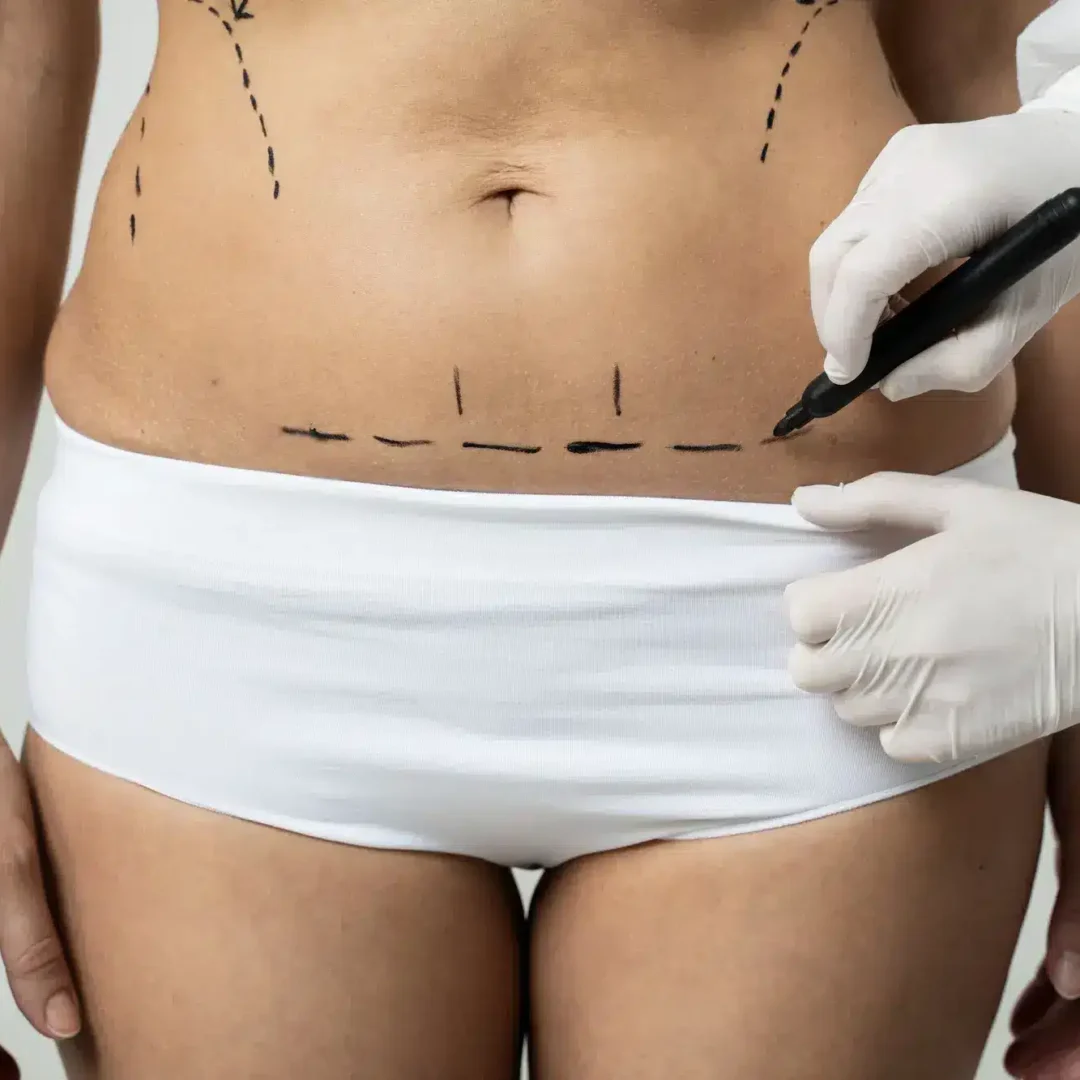
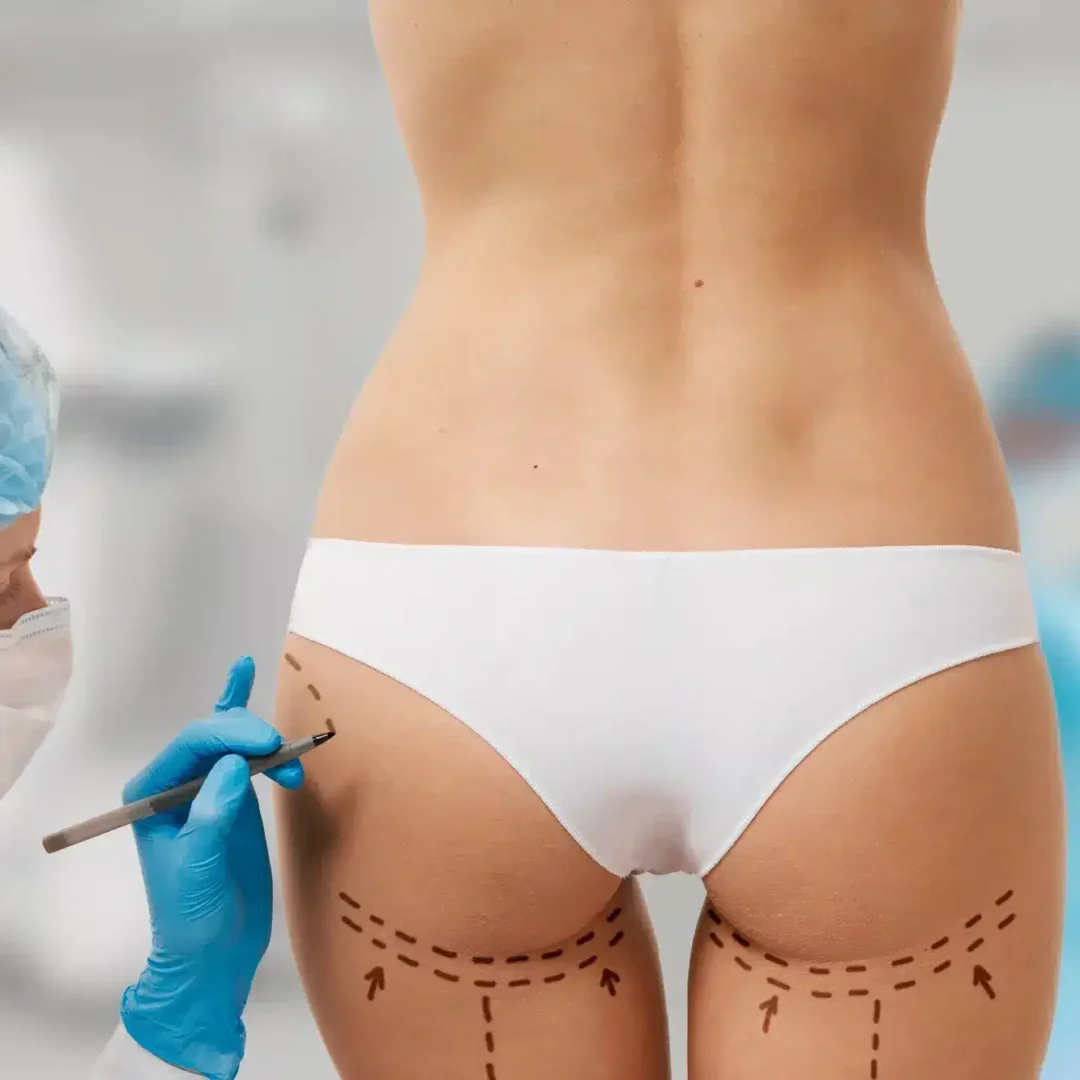
A Brazilian Butt Lift combines two surgical steps performed under general anesthesia during a single session:
- Liposuction: Fat is removed from donor areas — most commonly the abdomen, flanks, lower back, or thighs.
- Gluteal fat grafting: Harvested fat is processed and re-injected into the buttocks to add volume and reshape contour.
The term “minimally invasive” is sometimes used in clinic marketing. It is misleading. BBL requires general anesthesia, multiple cannula insertion sites, and carries real surgical risk. Patients should treat it the same way they would any inpatient operation.
A critical technical note: BBL mortality is primarily caused by fat embolism — fat entering the bloodstream and traveling to the lungs or heart. A landmark 2017 study by Mofid et al. in the Aesthetic Surgery Journal, published by the ASERF Gluteal Fat Grafting Task Force, found that the estimated BBL mortality rate was approximately 1 in 3,000 procedures — at the time, higher than any other elective cosmetic procedure. The following year, the American Society of Plastic Surgeons (ASPS) and affiliated international societies issued an urgent multi-society safety warning, and updated technique guidelines requiring fat to be injected above the gluteal muscle fascia — not into or below the muscle. When evaluating any surgeon, confirm they use subcutaneous-only injection technique.
What BBL Costs in the Dominican Republic vs. the US
Price Ranges (as of April 2026)
| Procedure | Dominican Republic | United States |
|---|---|---|
| BBL (standalone) | $2,500–$6,000 | $8,000–$15,000+ |
| Lipo 360 + BBL (combined) | $5,000–$10,000 | $12,000–$22,000+ |
For US pricing context: according to ASPS statistics, the average surgeon’s fee alone for a BBL was $7,264 in 2023 — and that figure excludes anesthesia, facility fees, post-op garments, and follow-up care, which routinely push the all-in cost significantly higher.
The DR price ranges above reflect what clinics publicly quote; exact pricing at any specific facility requires direct inquiry with an itemized breakdown.
Important caveat: These ranges reflect what clinics quote upfront. The final cost depends on anesthesia fees, facility fees, post-op garments, compression wear, lymphatic massage sessions, and whether overnight stays are included. Ask for an itemized quote — not a package headline number — before comparing prices.
The price differential is real. A $4,000 saving is significant. But that calculation changes if a revision becomes necessary or if complications require treatment after you return home. Most US health insurers do not cover elective cosmetic procedures performed abroad or complications arising from them — the CDC confirms that US Medicare and Medicaid do not apply outside the United States. Confirm your coverage in writing with your insurer before traveling.
Counterintuitive point most articles skip: The lowest-quoted price in the DR is often from unlicensed or under-accredited facilities that attract patients precisely because they undercut reputable clinics. When a DR quote is 40–50% below the average for that country, that gap is worth investigating — not celebrating.
The Dominican Republic: Regulatory Framework and What It Means for Patients
Who Oversees Cosmetic Surgery?
The Ministerio de Salud Pública (MSP) licenses surgical facilities in the Dominican Republic. Physicians hold licenses through the Colegio Médico Dominicano. Plastic surgeons who have completed specialized training may be members of SODOCIPRE (Sociedad Dominicana de Cirujanos Plásticos, Reconstructivos y Estéticos), the country’s credentialing body for plastic, reconstructive, and aesthetic surgery.
SODOCIPRE membership is not automatic. It requires documented training, examination, and peer review. A surgeon holding a general medical license in the DR can legally offer cosmetic procedures without SODOCIPRE credentials. This distinction matters. Ask for a surgeon’s SODOCIPRE membership number and verify it directly using SODOCIPRE’s public member directory.
Clinic Accreditation
International accreditation in the DR is limited. As of April 2026, confirmed JCI-accredited facilities in the Dominican Republic should be verified directly on the JCI public registry. Temos International accreditation is a separate standard specifically covering medical tourism operations. MSP facility certification covers basic surgical licensing but does not equal international accreditation.
If a clinic claims international accreditation, ask for the accrediting body’s name and the certificate number. Verify it on the accrediting organization’s public registry.
Surgeon Training Background
Many DR-based plastic surgeons trained in the United States, Spain, Brazil, or Colombia and hold dual credentials. Training background, however, is not the same as current, active board certification. Ask specifically:
- Where did you train in plastic surgery, and for how many years?
- Are you a current SODOCIPRE member? What is your membership number?
- How many BBL procedures have you performed in the past 12 months?
- What is your revision rate, and do you have documented outcome data?
Visa and Travel Requirements
US citizens require a valid US passport to enter the Dominican Republic. A tourist card (e-Ticket) is required and must be completed online before arrival. No medical visa category exists — patients enter as tourists. Check the US State Department’s Dominican Republic travel advisory for current status before booking. As of June 2025 (confirmed as of April 2026), the DR carries a Level 2 — Exercise Increased Caution advisory, citing crime. This does not prohibit travel but warrants awareness outside tourist zones.
Language
Spanish is the working language at most DR surgical facilities. English-speaking staff availability varies significantly by clinic. Some facilities employ dedicated patient coordinators who speak English; others rely on informal interpretation. Before booking, conduct a video call with the actual surgeon — not just a coordinator — to assess communication directly.
Documented Risks and What the Evidence Shows
The BBL Mortality Problem
BBL has the highest documented mortality rate of any elective cosmetic surgery. The ASERF Task Force’s foundational 2017 study by Mofid and colleagues estimated the mortality rate at approximately 1 in 3,000 procedures. The mechanism is fat embolism — when fat enters the gluteal venous system during injection, it can travel to the heart and lungs with rapidly fatal results; the study found that intramuscular injection carried a more than 400% increase in this risk compared to subcutaneous injection.
The encouraging update: a 2020 follow-up study by Rios and Gupta in the Aesthetic Surgery Journal found that after widespread adoption of the subcutaneous-only injection guidelines, the estimated BBL mortality rate dropped from 1 in 3,448 (2017) to approximately 1 in 14,952 (2019). This is meaningful progress — but the risk is not zero, and guidelines are only effective when surgeons actually follow them.
In 2022, ASPS, the Aesthetic Society, and ASERF jointly reaffirmed that fat must only be placed in the subcutaneous space above the gluteal fascia, and supported Florida’s emergency regulations requiring real-time ultrasound guidance during fat injection. Ask your prospective surgeon whether they use ultrasound guidance.
The Dominican Republic Specifically
According to a January 2024 report in CDC’s Morbidity and Mortality Weekly Report (MMWR), 93 US citizens died in the Dominican Republic following cosmetic surgery between 2009 and 2022. The annual death toll rose from an average of 4.1 per year during 2009–2018 to 13 per year in 2019–2020, peaking at 17 in 2020. Among the cases with detailed autopsy data, fat embolism was the cause of death in more than half, and all fatal cases involved liposuction and gluteal fat transfer. Nearly all patients had documented risk factors for perioperative embolism — including obesity, multiple simultaneous procedures, and limited preoperative cardiac/pulmonary evaluation. The CDC noted that these findings likely undercount actual complications, since the data only captured deaths reported to the US Embassy.
This does not mean all DR surgical facilities are unsafe. It means patient selection of facility and surgeon matters more here than in countries with more rigorous facility oversight.
Documented Complications in Peer-Reviewed Literature
- Fat embolism: Rare but potentially fatal; occurs during the injection phase when fat enters gluteal veins. Primary mechanism of BBL-related death per Mofid et al., 2017.
- Infection and sepsis: Risk increases in facilities with inadequate sterilization practices or if patients fly home before wounds are fully stable. The 2024 CDC MMWR report documented cases where complications were only recognized after patients returned to the US.
- Asymmetry and contour irregularities: The most common reason for revision surgery.
- Fat necrosis: Death of transferred fat tissue, causing lumps or areas of firmness.
- Seroma: Fluid accumulation under the skin requiring drainage.
- Anesthesia complications: Risk increases with extended surgical time — common in combined Lipo 360 + BBL sessions.
When You Should NOT Travel for BBL
- Active infection anywhere in the body
- BMI below 20 or above 35 (both fat availability and anesthesia risk are relevant)
- History of deep vein thrombosis or pulmonary embolism
- Clotting disorders
- Uncontrolled diabetes
- Recent significant weight loss (skin quality and fat quality both affect outcomes)
- Inability to take 4–6 weeks away from strenuous activity after returning home
If a clinic tells you none of these conditions apply to you without reviewing your full medical records, that is a warning sign.
Red Flags: How to Identify a Clinic You Should Not Use
| Warning Sign | Why It Matters |
|---|---|
| Surgeon cannot provide SODOCIPRE membership number | May not hold specialist credentials |
| Quote is cash-only, no itemized breakdown | No paper trail; complicates any recourse |
| No written informed consent document in your language | Standard of care in any accredited facility |
| No documented complication/emergency protocol | What happens if something goes wrong at 2 AM? |
| Pressure to decide within 24–48 hours | Legitimate clinics do not rush surgical decisions |
| “All-inclusive” pricing that cannot be itemized | Hidden costs appear at time of service |
| No follow-up plan once you return to the US | Complications typically appear 1–3 weeks post-op |
| Before/after photos with no verifiable patient consent | Possibly stolen or AI-generated imagery |
12 Questions to Ask Before Booking
- What is your SODOCIPRE membership number, and how can I verify it directly with the organization at sodocipre.net?
- How many BBL procedures have you performed in the past 12 months, and what is your documented revision rate?
- Do you use subcutaneous-only fat injection technique (above the gluteal fascia), consistent with the 2018–2022 multi-society ASPS/ASERF safety guidelines? Do you use real-time ultrasound guidance? Will you confirm this in writing?
- Is the surgical facility licensed by the Dominican Republic’s Ministerio de Salud Pública? Provide the license number.
- Does this facility hold any international accreditation (JCI, Temos)? If so, provide the certificate number so I can verify on the accreditor’s public registry.
- Who administers anesthesia — a board-certified anesthesiologist or a nurse anesthetist? What are their credentials?
- What is the written protocol if I develop a complication after I return to the United States? Is there a named physician I can contact directly?
- What does the quoted price exclude? Provide a complete itemized fee schedule.
- Is there a written informed consent document available in English before I sign anything?
- What is your refund and cancellation policy if I need to postpone due to a health issue?
- Does the clinic carry malpractice or professional liability insurance? What does it cover for international patients?
- Will I have a follow-up video consultation with the surgeon — not just a coordinator — at 2 weeks and 6 weeks post-op?
Frequently Asked Questions
Q: Is BBL in the Dominican Republic safe?
It depends on surgeon credentials, facility accreditation, and the technique used. BBL carries documented mortality risk regardless of location. The CDC’s January 2024 MMWR report documented 93 US patient deaths in the DR following cosmetic surgery over a 14-year period, the majority involving liposuction and gluteal fat transfer. Choosing a SODOCIPRE-certified surgeon at an MSP-licensed facility, and confirming subcutaneous-only injection technique with ultrasound guidance, reduces — but does not eliminate — risk.
Q: What does a BBL cost in the Dominican Republic?
Quoted prices generally range from $2,500 to $6,000 for BBL in Dominican Republic alone and $5,000 to $10,000 for combined Lipo 360 + BBL, as of April 2026. These figures vary by surgeon, facility, and what is included. Always request an itemized quote.
Q: How do I verify a Dominican Republic plastic surgeon’s credentials?
Ask for the surgeon’s SODOCIPRE membership number and verify it directly using SODOCIPRE’s public member directory. Also request their Colegio Médico Dominicano license number. A surgeon who hesitates to provide either should be a warning sign.
Q: Will my US health insurance cover complications from a BBL in the Dominican Republic?
Most US health insurance plans do not cover elective cosmetic procedures performed abroad or complications arising from them. The CDC notes that US Medicare and Medicaid do not apply outside the United States, and most private insurers similarly exclude overseas elective procedures. Confirm your specific coverage in writing with your insurer before traveling, and consider international travel insurance that includes medical evacuation coverage.
Q: How long do I need to stay in the Dominican Republic after BBL?
Most surgeons recommend a minimum of 7–10 days post-operative stay before flying. Longer stays allow for early complication detection. Flying soon after surgery independently increases DVT risk — the CDC recommends patients allow adequate time between surgery and air travel to reduce this risk. Confirm the recommended stay period with your surgeon in writing.
Q: What is the difference between a BBL and gluteal implants?
BBL uses the patient’s own harvested fat. Implants use silicone. BBL results depend on how much viable fat survives the transfer — published clinical ranges typically cite 50–80% fat survival long-term, depending on surgical technique, patient health, and post-operative care. Implants provide more predictable volume but carry their own complication profile, including capsular contracture and implant displacement.
Q: Is the Dominican Republic on any US government travel advisory?
Yes. The US State Department currently lists the Dominican Republic as a Level 2 — Exercise Increased Caution destination, citing violent crime (as of June 2025; check the State Department website directly before booking for any updates). This is the same advisory level as Italy, Germany, and many other popular travel destinations. It does not prohibit travel but urges heightened awareness, particularly outside major resort areas.
What Universal Medical Travel Provides
Universal Medical Travel (UMT) is a medical travel facilitator, not a medical provider. UMT connects US patients with international clinics and can provide cost comparisons, logistics support, and pre-screened clinic referrals.
What UMT does: Facilitate introductions to clinics that have passed a documented vetting process, assist with communication and coordination, and support logistics planning.
What UMT does not do: Provide medical opinions, guarantee surgical outcomes, diagnose or treat conditions, or substitute for a surgeon-patient consultation. UMT’s vetting of a facility does not replace your own due diligence on the specific surgeon performing your procedure.
Patients are responsible for independently verifying surgeon credentials with SODOCIPRE, reviewing informed consent documents, and consulting with their US physician before traveling.
Contact UMT at info@universalmedicaltravel.com or (772) 494-1971 to discuss DR clinic options.
Important: This article provides general information about Brazilian Butt Lift (BBL) surgery in the Dominican Republic and is not medical advice. BBL carries specific documented risks, including a documented mortality rate, and is not appropriate for all patients. Surgery performed internationally may occur under conditions or by practitioners that differ from standards in your home country — verify surgeon credentials and facility accreditation independently before proceeding. Consult a licensed physician who has reviewed your complete medical history before making any medical decision or traveling abroad for treatment. Prices, clinic offerings, accreditation status, and regulations change frequently — verify all specifics directly with clinics before committing. Universal Medical Travel is a medical travel facilitator and does not provide medical services.
Your Health Journey Starts Here – Connect with Our Consultants Today!
Please submit the patient form to qualify for the Discount Code or any promotions that are available. If you contact the clinic directly before submitting the form, you will receive the standard prices.
Patient Information Form (Discount Code: UMT 5%)Want to see more of our medical travel guides in Google Search?