Hair loss is a common concern affecting both men and women across Ireland. Whether caused by genetics, hormonal changes, stress, medical conditions, or aging, thinning hair and baldness can have a significant impact on confidence and self-image. As a result, hair transplantation has become one of the most sought-after cosmetic procedures in Dublin, offering long-term and natural-looking results.
Dublin has established itself as a leading destination within Ireland for hair restoration procedures due to its advanced medical standards, experienced surgical teams, and access to modern hair transplant techniques. However, one of the most important considerations for anyone exploring this treatment is cost—how much a hair transplant in Dublin actually costs and what factors influence pricing.
This comprehensive guide explores hair transplant costs in Dublin, how the procedure works, available techniques, recovery expectations, long-term results, and whether the investment is worth it.
Understanding Hair Loss and Why Hair Transplants Are Chosen
Hair loss can occur gradually or suddenly, depending on the underlying cause. The most common form is androgenetic alopecia, also known as male or female pattern baldness, which is largely hereditary. Other causes include traction alopecia, medical conditions, medication side effects, stress, hormonal imbalances, and scalp injuries.
Non-surgical treatments such as topical solutions or oral medications may slow hair loss but often fail to restore lost hair. Hair transplantation stands out because it relocates healthy, permanent hair follicles to areas affected by thinning or baldness, producing lasting results.
What Is a Hair Transplant?
A hair transplant is a minimally invasive surgical procedure that transfers hair follicles from a donor area—typically the back or sides of the scalp—to balding or thinning areas. The donor follicles are genetically resistant to hair loss, which allows them to continue growing even after being transplanted.
Hair transplants are commonly used to restore:
- Receding hairlines
- Thinning crowns
- Diffuse scalp thinning
- Bald patches
- Hair loss from injury or scarring
Once the transplanted follicles take root, they grow naturally and permanently.
Hair Transplant Cost in Dublin, Ireland
Average Hair Transplant Cost Range
The cost of a hair transplant in Dublin generally falls between €3,000 and €12,000. In complex cases involving extensive hair loss or higher graft numbers, costs can exceed this range. There is no one-size-fits-all price, as each treatment plan is personalised.
Why Hair Transplants in Dublin Cost What They Do
Hair transplant pricing in Dublin reflects several factors, including medical regulations, professional expertise, technology used, and individual patient needs.
Key Factors That Influence Hair Transplant Cost in Dublin
1. Number of Hair Grafts Required
The most significant cost factor is the number of grafts needed to achieve desired coverage and density.
- 1,000–1,500 grafts: Mild hair loss or hairline correction
- 2,000–3,000 grafts: Moderate thinning or crown restoration
- 3,500+ grafts: Advanced hair loss or full scalp coverage
More grafts mean longer procedure time, greater labour, and higher costs.
2. Hair Transplant Technique Used
FUE (Follicular Unit Extraction)
FUE is the most commonly performed hair transplant technique in Dublin.
- Individual follicles are extracted one by one
- Minimally invasive
- No linear scar
- Faster healing
- Higher cost due to precision and time required
FUT (Follicular Unit Transplantation)
FUT involves removing a strip of scalp from the donor area.
- Leaves a linear scar
- Allows large graft numbers in one session
- Lower cost compared to FUE
- Less popular due to scarring concerns
DHI (Direct Hair Implantation)
DHI is a variation of FUE that uses specialised implantation tools.
- Greater control over angle and density
- Reduced handling of grafts
- Typically priced higher than standard FUE
3. Complexity of the Procedure
Not all hair transplants are the same. Costs increase when procedures involve:
- Detailed hairline design
- High-density implantation
- Multiple areas (hairline and crown)
- Repair of previous transplants
4. Surgeon and Medical Team Experience
Highly experienced surgical teams with a strong track record command higher fees. Precision, artistic hairline design, and graft survival rates directly impact long-term results.
5. Pre-Operative and Post-Operative Care
Hair transplant costs may include:
- Medical assessments
- Local anaesthesia
- Medications
- Follow-up visits
- Aftercare instructions and support
Comprehensive care improves outcomes and reduces complication risks.
Is Hair Transplant in Dublin Expensive Compared to Other Countries?
Hair transplant procedures in Dublin are generally more expensive than those in some overseas destinations. However, many patients choose to undergo treatment locally due to:
- Strict medical and safety regulations
- High clinical standards
- English-speaking healthcare teams
- No international travel or accommodation costs
- Easier access to follow-up care
For many patients, the peace of mind and continuity of care justify the higher price.
The Hair Transplant Procedure: Step-by-Step
Step 1: Consultation and Assessment
A detailed assessment determines hair loss severity, donor area strength, and suitability for transplantation.
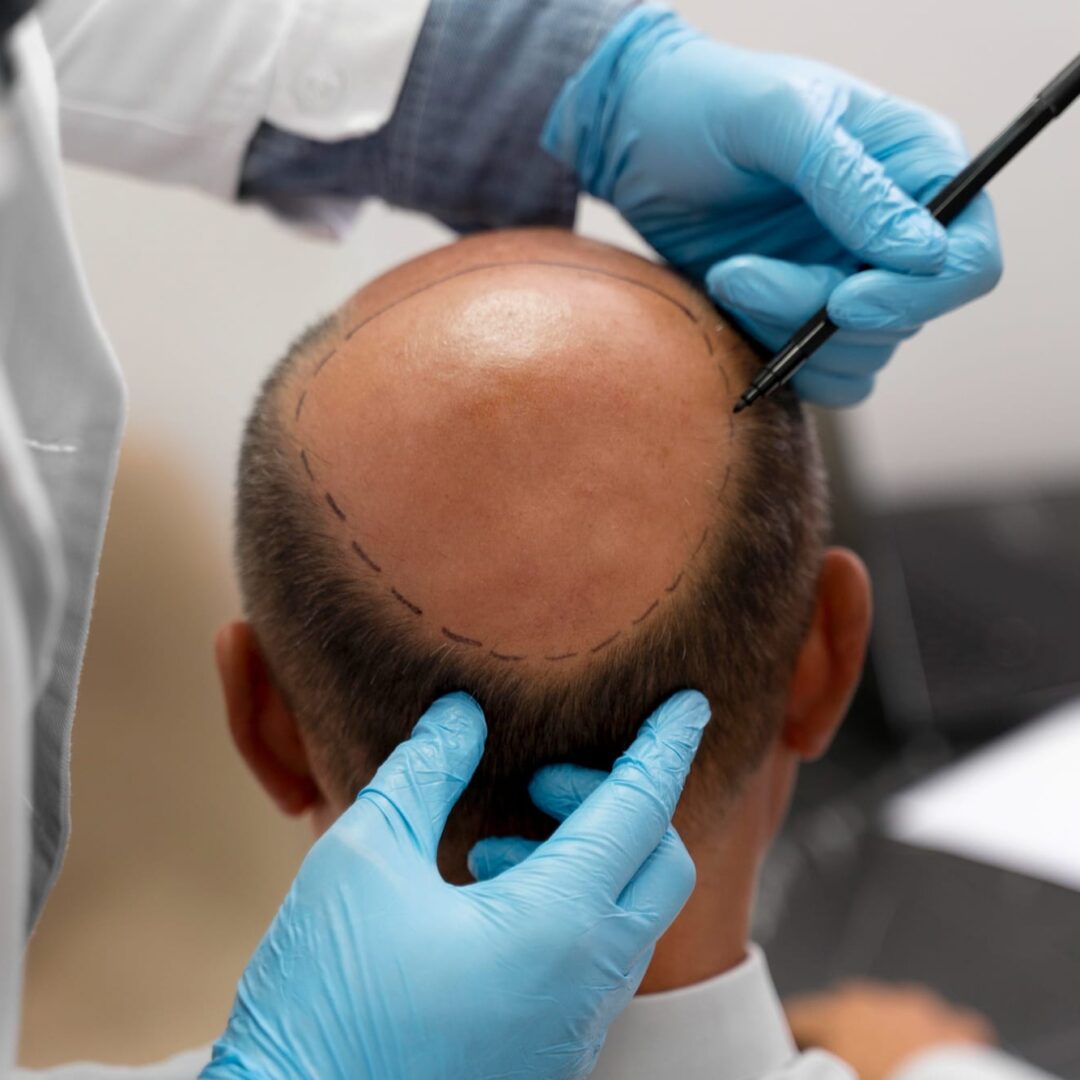
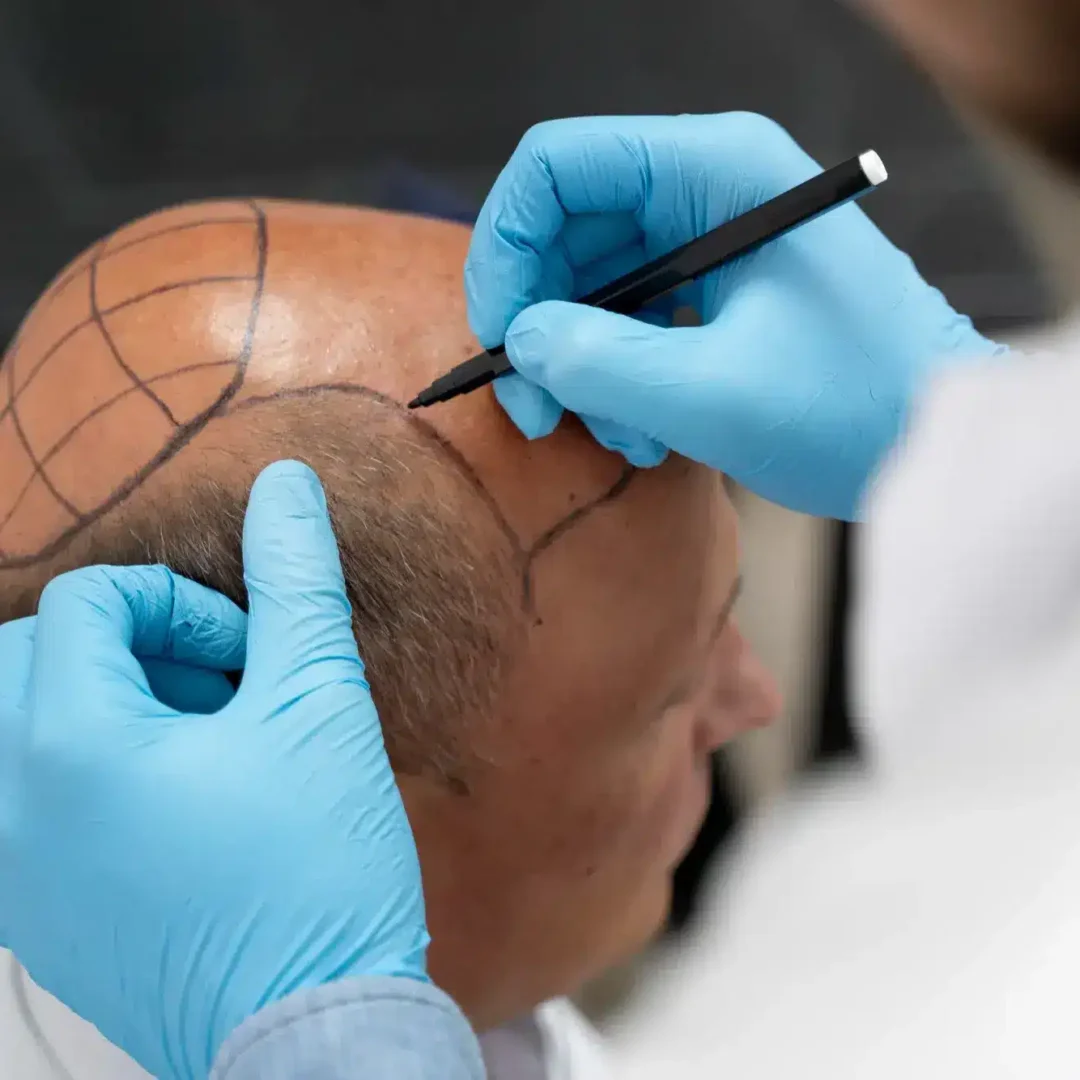
Step 2: Hairline Design and Planning
A natural-looking hairline is designed based on facial proportions, age, and long-term hair loss progression.
Step 3: Donor Area Preparation
The donor area is trimmed, and local anaesthesia is administered.
Step 4: Graft Extraction
Hair follicles are carefully extracted using the chosen technique.
Step 5: Recipient Site Creation and Implantation
Tiny incisions are made, and follicles are implanted at precise angles and densities.
Step 6: Completion and Aftercare
The procedure typically lasts between 6 and 8 hours, depending on graft count.
Recovery After Hair Transplant Surgery
Recovery is relatively straightforward when post-operative instructions are followed correctly.
First Week
- Mild swelling and redness are common
- Small scabs form around grafts
- Donor area may feel tight or tender
First Month
- Scabs fall off naturally
- Temporary shedding of transplanted hair occurs
Months 3–6
- New hair growth begins
- Hair gradually thickens
Months 9–18
- Final results become visible
- Hair achieves natural density and texture
Most patients return to work within 3–5 days.
Long-Term Results and Hair Growth
Transplanted hair behaves like natural hair:
- It grows continuously
- Can be cut and styled
- Is resistant to hair loss
However, native hair surrounding transplanted areas may continue thinning, which is why some patients consider additional treatments or future sessions.
Risks and Side Effects
Hair transplants are generally safe, but potential risks include:
- Temporary swelling
- Infection (rare)
- Shock loss
- Uneven growth
Choosing experienced professionals and following aftercare guidelines significantly reduces risks.
Is a Hair Transplant Worth the Cost?
For many patients, hair transplantation is a long-term investment in confidence and appearance rather than a cosmetic luxury.
Benefits include:
- Permanent solution to hair loss
- Natural-looking results
- One-time procedure
- No daily maintenance costs
Compared to ongoing expenses for temporary treatments, a hair transplant often proves cost-effective over time.
Frequently Asked Questions (FAQs)
How much does a hair transplant cost in Dublin?
Hair transplant costs in Dublin typically range from €3,000 to €12,000, depending on graft count, technique, and complexity.
Is hair transplant surgery painful?
The procedure is performed under local anaesthesia, making it largely painless. Mild discomfort may occur during recovery.
Is hair transplant covered by insurance in Ireland?
No, hair transplants are considered cosmetic procedures and are not covered by insurance.
How long do hair transplant results last?
Transplanted hair is permanent and continues growing for life.
Can women have hair transplants?
Yes, women experiencing thinning hair or certain forms of hair loss may be suitable candidates.
When will I see final results?
Final results usually appear between 12 and 18 months after surgery.
Will I need more than one session?
Some patients with extensive hair loss may require multiple sessions to achieve optimal density.
Conclusion
Hair transplant surgery in Dublin offers a safe, effective, and permanent solution for hair loss, supported by modern techniques and strict medical standards. While the cost may be higher than in some countries, many patients value the quality of care, convenience, and long-term results achieved locally.
By understanding the factors that influence cost, recovery expectations, and realistic outcomes, individuals can make informed decisions and approach hair restoration with confidence.
Your Health Journey Starts Here – Connect with Our Consultants Today!
Please complete and submit a Patient Information Form to authorize our agency to forward your protected health information to the healthcare provider of your choice.Get 5% off your treatment by using discount code UMT5%.
Patient Information FormReferences
Medical and regulatory sources used to support the information in this article.