
A BBL (Brazilian Butt Lift) procedure in Colombia generally costs between $4,500 and $7,500. The BBL procedure carries the highest documented mortality rate of any cosmetic surgery procedure worldwide, with a probability of fatal or non-fatal pulmonary fat embolism of approximately 1 in 1,473.
Colombia is one of the largest cosmetic surgery destinations in Latin America, and Colombian surgeons helped pioneer several modern body-contouring techniques. That reputation is real. So is the risk — the US CDC’s Yellow Book specifically warns travelers about cosmetic surgery complications abroad, and a January 2024 CDC investigation documented 93 US citizen deaths after cosmetic surgery in the Dominican Republic between 2009 and 2022, most often following Brazilian Butt Lift (BBL) procedures. While Colombia is a separate market with its own regulatory oversight, the underlying risks — fat embolism, thromboembolism, and inadequately equipped facilities — apply to BBL procedures globally.
This article covers what plastic surgery in Colombia actually costs, what Colombia’s regulators (INVIMA and the Ministry of Health’s habilitation system) do and don’t verify, and the specific questions you should ask before booking. It is written for US patients considering travel to Medellín, Bogotá, Cali, or Cartagena for procedures ranging from liposuction to deep plane facelifts.
One thing this article will not do: tell you Colombia is a “paradise” for recovery. Flying home nine days after a tummy tuck with an untreated hematoma is not paradise. The goal here is to help you decide whether this specific medical decision is right for your body, your budget, and your tolerance for risk — and if so, how to reduce that risk as much as a patient realistically can.
The BBL specifically carries the highest documented mortality rate of any cosmetic surgery procedure worldwide. A landmark 2017 study published in the Aesthetic Surgery Journal by Mofid et al. found the probability of fatal or non-fatal pulmonary fat embolism from BBL was approximately 1 in 1,473 — roughly 16 times higher than the mortality risk of any procedure performed in an accredited surgery center. Updated surveys suggest the rate has improved to approximately 1 in 15,000 when surgeons follow subcutaneous-only injection guidelines, but the risk remains the highest of any cosmetic procedure. If you are considering a BBL in Colombia or anywhere else, read the risks section below before reading the prices.
What the Data Shows on Cost
Cosmetic surgery in Colombia is meaningfully cheaper than in the United States. How much cheaper depends on the procedure, the surgeon’s seniority, and the clinic’s accreditation level — not on clever packaging.
Plastic surgery in Colombia generally costs between $2,000 and $12,000, making its packages significantly more affordable than those offered in the USA, Canada, and much of the Western world.
The price ranges below reflect typical quotes reported by US patients and by clinics marketing to international patients. They are ranges, not firm figures. Any clinic that quotes a single fixed price without reviewing your medical history, weight, and prior surgeries is not quoting you — they are marketing to you.
Typical Price Ranges — Colombia vs. United States
| Procedure | Colombia (USD) | United States (USD) | Notes |
|---|---|---|---|
| Rhinoplasty | $3,500–$6,500 | $8,000–$15,000 | Revision rhinoplasty is significantly higher |
| Breast Augmentation (implants) | $4,000–$6,500 | $7,000–$12,000 | Implant brand and warranty vary; ask specifically |
| Breast Lift (mastopexy) | $4,500–$7,000 | $8,000–$12,000 | Lift + implants is a combined procedure, priced higher |
| Abdominoplasty (Tummy Tuck) | $4,500–$7,500 | $8,000–$15,000 | Full vs. mini tuck is a significant price difference |
| Liposuction (single area) | $2,500–$4,500 | $5,000–$10,000 | 360° liposuction is priced separately |
| BBL (fat transfer) | $4,500–$7,500 | $8,000–$15,000 | See risks section before comparing prices |
| Deep Plane Facelift | $8,000–$12,000 | $18,000–$30,000 | Deep plane requires specific surgeon training |
| Eyelid Surgery (upper + lower) | $3,500–$5,500 | $5,000–$8,000 | Functional vs. cosmetic may affect insurance coverage at home |
| Mommy Makeover (combined) | $7,500–$12,000 | $15,000–$25,000 | Combined surgery increases anesthesia risk |
Face Lift Before and After
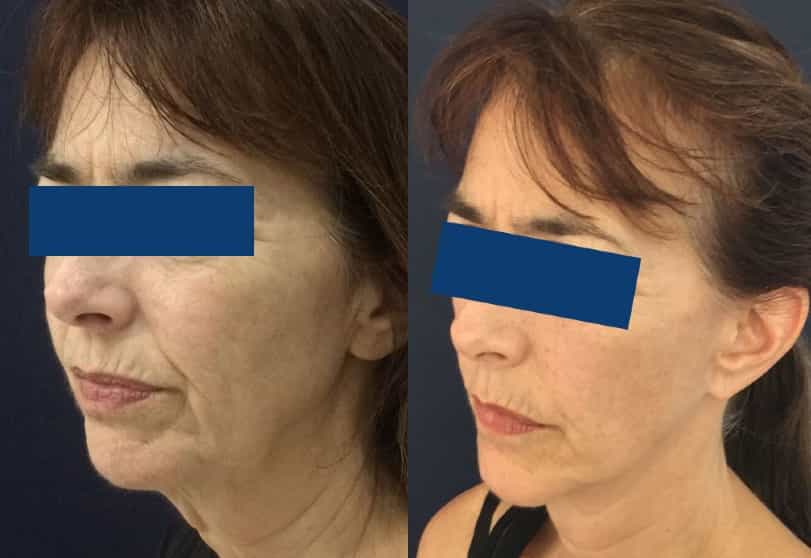
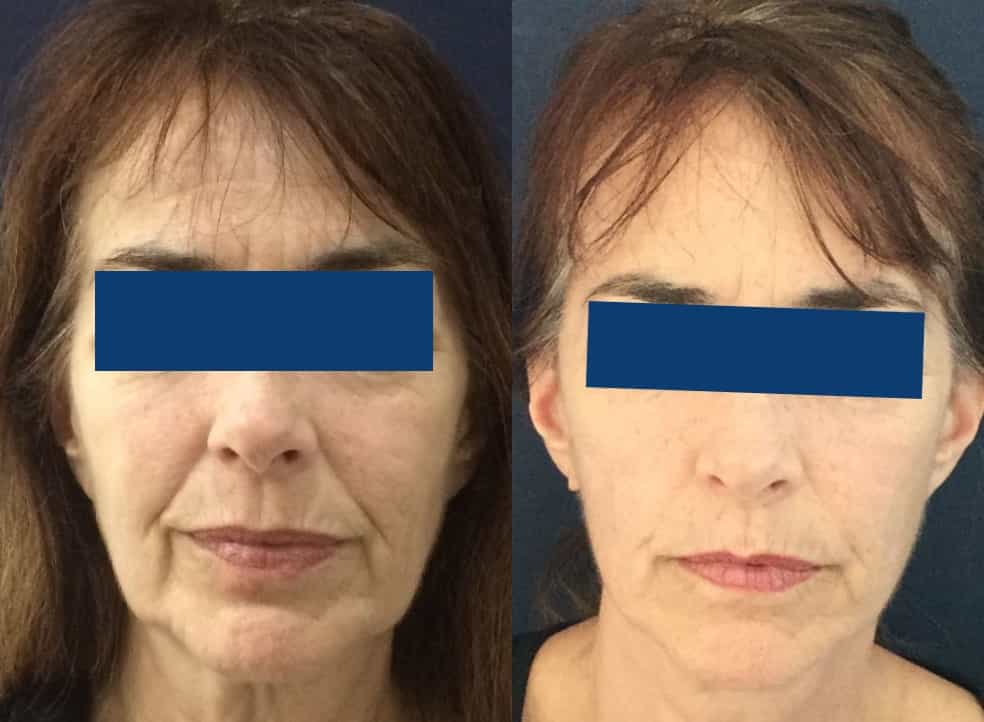
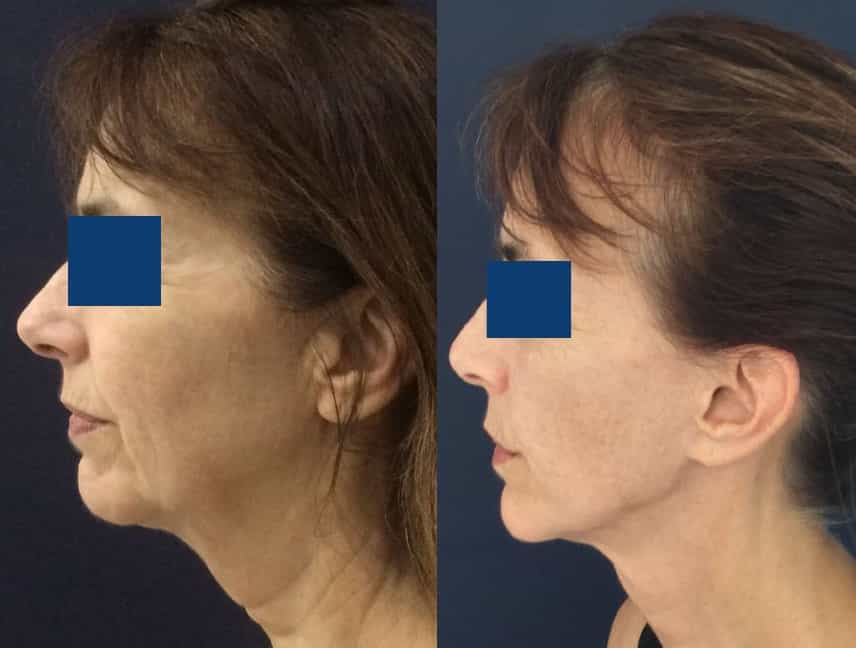
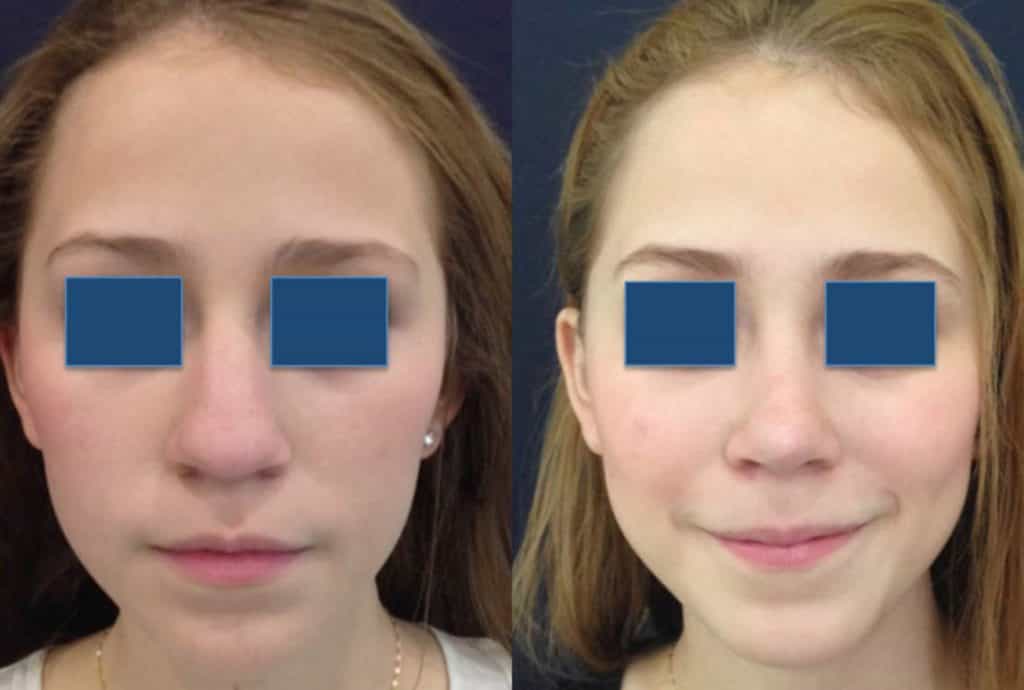
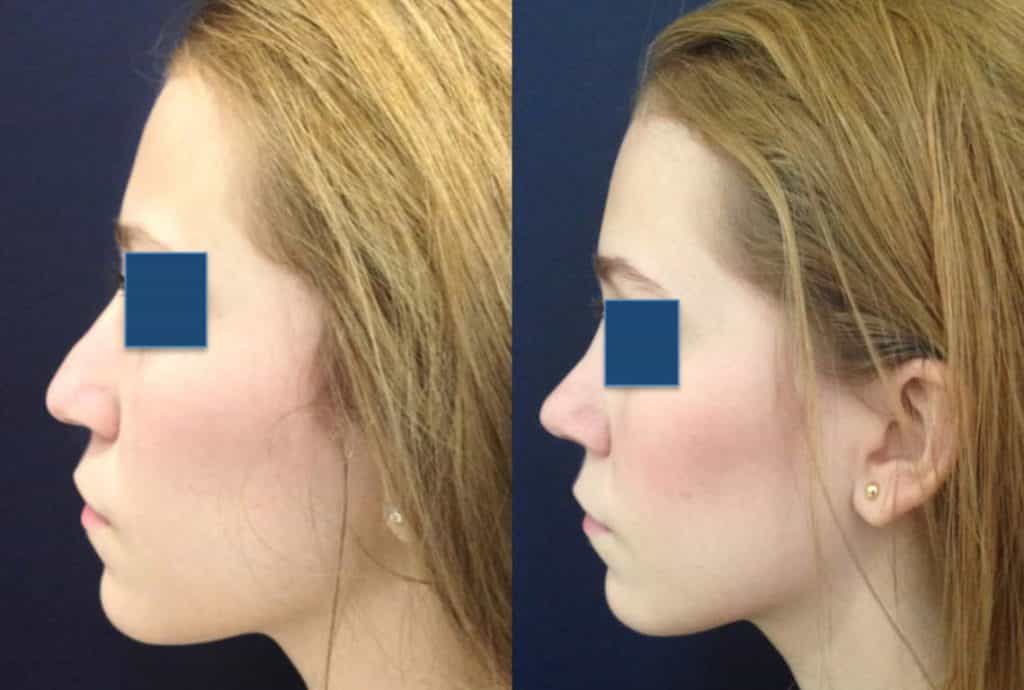
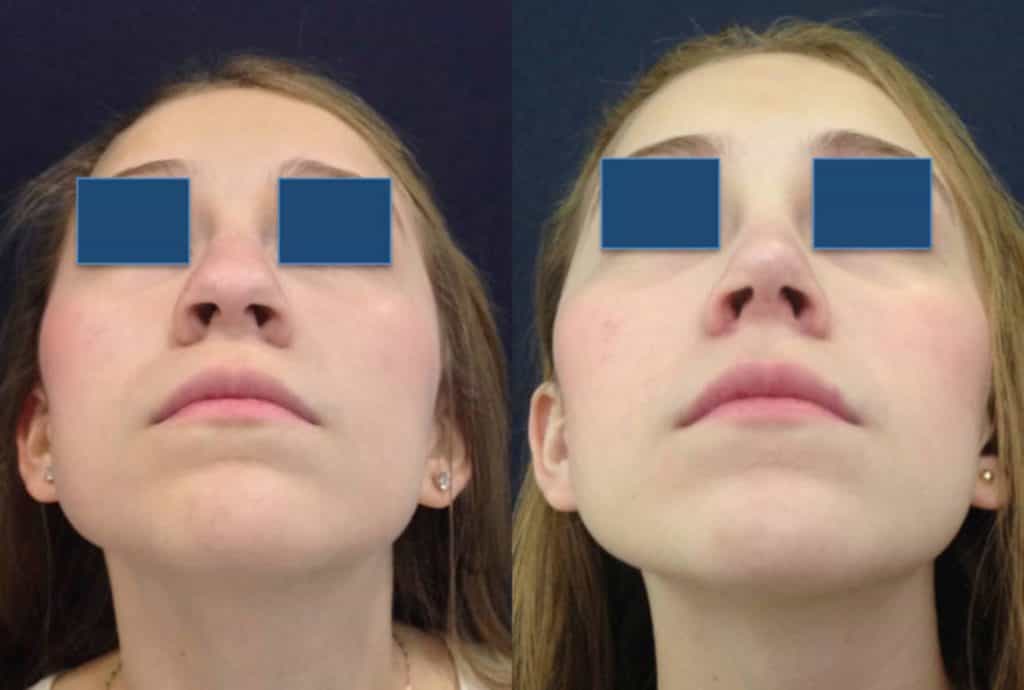
These ranges reflect quotes publicly listed by Colombian clinics marketing to international patients. Exact pricing must be confirmed with a specific clinic after medical review.
What Typical Clinic Quotes Actually Include
A reasonable cosmetic surgery quote in Colombia should itemize:
- Surgeon’s fee, separately from facility and anesthesia fees
- Anesthesiologist fee (anesthesia administered by a licensed MD anesthesiologist, not a technician)
- Operating room and overnight recovery if applicable
- Pre-operative labs, EKG, and cardiology clearance for patients over 40 or with relevant history
- Compression garment (first one)
- Post-op follow-up visits for a defined period
What is often not included and should be budgeted separately: flights, extended hotel stays if recovery runs long, lymphatic massage sessions (often recommended post-liposuction), complications or revision surgery, and care in Colombia if you need to extend your stay.
A contrarian point most facilitators will not tell you: the cheapest quote is usually the most expensive one. Surgeons who undercut the market frequently do so by performing high-volume, short-duration surgeries with minimal pre-op workup — which is the exact profile associated with BBL fatalities documented in the ASERF Task Force report. Paying $3,500 for a BBL instead of $6,500 is not a bargain if the cheaper surgeon is operating on six patients a day.
Colombia-Specific Regulatory and Credentialing Details
Colombia regulates medical practice and medical devices through several distinct bodies. Understanding which body verifies what is the single most useful thing a foreign patient can learn before booking.
INVIMA — Devices, Drugs, Implants
INVIMA (Instituto Nacional de Vigilancia de Medicamentos y Alimentos) is Colombia’s equivalent of the US FDA. INVIMA registers and approves breast implants, dermal fillers, Botox, and other medical devices used in cosmetic surgery. If a surgeon is using an implant or filler brand, ask for the INVIMA registration number. Unregistered implants exist in the gray market — they are a specific warning sign.
Ministry of Health (MinSalud) — Facility Habilitation
Every clinic and hospital operating legally in Colombia must be “habilitado” (authorized) through the Ministry of Health’s Sistema Único de Habilitación (administered via MinSalud). Habilitation is the minimum legal requirement. It is not the same as accreditation. A clinic can be habilitated without meeting the higher voluntary standards of ICONTEC (Colombia’s national accreditation body) or international bodies like JCI.
For international patients, the accreditation tiers to ask about are:
- ICONTEC accreditation — Colombia’s national hospital accreditation, meaningful but domestic
- JCI (Joint Commission International) — international gold standard; a smaller number of Colombian hospitals carry it
- Habilitación only — legal minimum; many cosmetic surgery outpatient clinics fall in this category
Ask specifically and ask for documentation, not a verbal answer.
SCCP — Surgeon Board Certification
The Sociedad Colombiana de Cirugía Plástica, Estética y Reconstructiva (SCCP) is the recognized professional body for board-certified plastic surgeons in Colombia. Founded in 1956, SCCP currently includes over 850 plastic surgeons trained through accredited residency programs. A surgeon who completed an accredited plastic surgery residency in Colombia and is currently in good standing with SCCP will appear in its public registry, searchable directly on the SCCP website.
This matters because Colombian law allows any licensed physician to perform certain cosmetic procedures. General practitioners, dermatologists, and dentists have been documented performing liposuction and BBL procedures — legally, but without formal plastic surgery training. Deaths have occurred in exactly these settings. You can also cross-verify physician credentials through RETHUS (Registro Único Nacional del Talento Humano en Salud), Colombia’s national healthcare professional registry. Verify SCCP membership directly on the SCCP website, not through the clinic that referred you.
Visas and Entry for US Citizens
Per the US State Department Colombia Travel Advisory, US citizens can currently enter Colombia without a visa for stays up to 90 days, and medical treatment falls within this allowance for most short-stay cases. Bring a passport valid for at least six months beyond your entry date, proof of onward travel, and documentation of your medical appointment. Longer stays for multi-procedure recovery may require a different visa category — confirm with the Colombian consulate before booking.
Language Reality
Spanish is the working language in every Colombian clinic, including international patient clinics in Medellín and Bogotá. Clinics that market to US patients typically employ bilingual coordinators — but “bilingual coordinator” is not the same as “your surgeon and anesthesiologist speak fluent medical English.” Ask specifically: Will my surgeon conduct the consent discussion in English, or through an interpreter? Informed consent through a third party raises documented risk of miscommunication about procedure scope and risks.
Where Procedures Are Typically Performed
Medellín concentrates the largest number of clinics marketing to US patients, driven by flight connectivity from Miami, Fort Lauderdale, and New York. Bogotá has more high-volume academic hospitals and tends to host more complex reconstructive cases. Cali has a strong domestic plastic surgery community. Cartagena markets heavily to international patients on a recovery-destination angle, which is precisely the framing patients should be skeptical of. None of these cities is inherently safer than another — the specific surgeon and facility matter far more than the city.
Risks and Red Flags
Cosmetic surgery is surgery. General anesthesia, hemorrhage, deep vein thrombosis, pulmonary embolism, and infection are risks in any country. Traveling internationally adds a specific set of risks on top of those.
Documented Complications in Peer-Reviewed Literature
BBL mortality. The Brazilian Butt Lift carries a mortality rate higher than any other cosmetic procedure, primarily from macroscopic fat embolism when fat is injected into or below the gluteal muscle. The ASERF Task Force’s 2017 report found that surgeons injecting fat into the deep muscle had a significantly higher incidence of fatal and non-fatal pulmonary fat emboli. A follow-up 2024 study by Cuzalina et al. confirmed that when 96% of surgeons injected above the muscle only, mortality dropped to zero across 12,800 cases — compared to 1 in 11,400 when 39% of cases involved intramuscular injection. Modern guidelines from multiple plastic surgery societies now recommend subcutaneous-only injection. Ask your surgeon, in writing, whether they inject intramuscularly. A surgeon who does should be excluded from your list.
Venous thromboembolism after flights. The CDC Yellow Book specifically warns that medical tourists should not fly for at least 10 days after chest or abdominal surgery due to risks associated with changes in atmospheric pressure. DVT and pulmonary embolism risk is elevated after abdominoplasty and combined procedures. Flying internationally within 7–10 days post-op compounds this risk.
Surgical site infections. Infections acquired in outpatient cosmetic settings, particularly with multi-drug-resistant organisms, have been reported in medical travel patients returning to the US. The CDC documents wound infections, bloodstream infections, and multi-drug-resistant organism transmission as recognized complications of international medical travel.
Anesthesia complications. Patients with undiagnosed cardiac disease, obstructive sleep apnea, or clotting disorders are at higher anesthesia risk. Clinics that skip pre-op cardiology clearance for patients over 40 are cutting corners that cost lives.
CDC and State Department Warnings
The CDC’s Medical Tourism page provides specific guidance for Americans considering cosmetic surgery abroad. The US State Department’s Colombia travel page states directly: “U.S. citizens have suffered serious complications and even died from cosmetic or other elective surgeries” in Colombia, and warns that “you have limited legal options in case of malpractice in Colombia.”
Warning Signs of a Clinic to Avoid
- Will not provide the surgeon’s SCCP registry confirmation in writing
- Quotes a single fixed price before reviewing your labs and medical history
- Operates on the same day as your arrival, before you have been seen in person
- Requires full payment in cash, wire transfer only, with no refund policy in writing
- Markets BBL as “safe” without discussing fat embolism risk
- Proposes combining three or more major procedures in a single operative session
- Offers “recovery houses” staffed by non-medical personnel as post-op care
- Promises you can fly home within 5 days of abdominoplasty or BBL
- Has no written plan for what happens if you develop a complication after returning home
When You Should Not Travel for Cosmetic Surgery
Patients with uncontrolled hypertension, diabetes, clotting disorders, active smoking, BMI above a threshold the surgeon should set (commonly 30–32 for major body contouring), recent hospitalizations, or a history of pulmonary embolism should not travel internationally for elective cosmetic surgery. Neither should patients whose recovery support at home is a single person working full-time. A tummy tuck recovery is not self-managed.
Questions to Ask Before Booking
These are the questions a well-informed patient asks. Bring them in writing to your virtual consultation.
- What is your SCCP membership status, and can you provide documentation? (Verify directly on the SCCP website.)
- Is the facility where you will operate “habilitado” by the Ministry of Health, and can you send me the habilitación documentation?
- Is the facility ICONTEC or JCI accredited? If not, why not?
- For BBL specifically: do you inject fat intramuscularly or subcutaneously only? Can I have that answer in writing?
- Who will administer my anesthesia, what are their credentials, and are they a physician anesthesiologist (anestesiólogo MD) or a technician?
- What pre-operative labs, imaging, and clearances do you require for a patient of my age and health profile?
- How many of this specific procedure do you perform per week? How many per day?
- What is your documented complication rate for this procedure over the past two years?
- What is your protocol if I develop a hematoma, seroma, infection, or DVT during my stay in Colombia?
- What is your protocol if I develop a complication after I return to the United States? Will you coordinate with a US surgeon? Is that in writing?
- What is the earliest safe date I can fly home after this procedure, and what is that based on?
- What is your written refund policy if I cancel after arriving in Colombia? Before arriving?
- Do you carry professional liability insurance (malpractice coverage)? Under what insurer and what are the policy limits?
- Will my informed consent discussion be conducted in English directly by you, or through an interpreter?
- Can you provide two recent patient references from the US or Canada whom I can contact directly?
If a clinic declines to answer any of these questions, that is your answer.
What UMT Provides
Universal Medical Travel is a medical travel facilitator. We connect US patients with Colombian clinics, coordinate virtual consultations, and help with scheduling and logistics. We are not a medical provider, we do not practice medicine, and we do not take surgical responsibility for any procedure.
What we verify on partner clinics: Ministry of Health habilitación status, accreditation documentation where applicable, and SCCP membership for named surgeons. What we do not verify for you: whether a specific procedure is medically appropriate for your individual health profile. That requires a licensed physician who has reviewed your full medical history, and we will tell you to get that review before proceeding. We provide quote ranges in good faith; final pricing comes directly from the clinic after they review your records.
If you are uncomfortable with any aspect of a clinic’s response to the questions in the previous section, tell us, and we will either help you resolve it or recommend you not proceed.
Frequently Asked Questions
Is plastic surgery in Colombia safe?
Plastic surgery in Colombia can be as safe as plastic surgery in the US — in the hands of an SCCP board-certified surgeon operating in a properly accredited facility with appropriate pre-op workup. It can also be significantly more dangerous, in the hands of a non-specialist doing high-volume outpatient procedures. The country is not the variable; the surgeon and facility are.
Why is cosmetic surgery cheaper in Colombia than in the US?
Lower surgeon labor costs, lower facility costs, lower malpractice insurance costs, and a favorable currency exchange rate. It is not because the surgery itself is lower quality when performed by a qualified surgeon. But the same cost structure also makes Colombia attractive to non-specialists entering the market.
How long should I stay in Colombia after surgery?
For major procedures (abdominoplasty, BBL, mommy makeover, deep plane facelift), 10–14 days minimum. For smaller procedures (eyelid surgery, minor liposuction), 7 days. The CDC recommends not flying for at least 10 days after chest or abdominal surgery. Your specific surgeon must set this based on your procedure and recovery trajectory. Flying home early to save on lodging is the wrong place to save money.
What happens if I have a complication after I return to the US?
This is the question most worth asking before you go. Your Colombian surgeon cannot treat you in person once you are home. You will need a US physician willing to manage post-op care for someone else’s surgery — many are reluctant. Before booking, identify a US surgeon or urgent care plan for complications, and get your Colombian surgeon’s commitment in writing to coordinate remotely.
Are Colombian plastic surgeons board certified?
Some are, some are not. Board certification in Colombia is through the SCCP, and it requires completion of an accredited plastic surgery residency. Other licensed physicians — general practitioners, dermatologists — may legally perform cosmetic procedures in Colombia without plastic surgery residency training. Verify SCCP status directly.
Is a BBL safe in Colombia?
A BBL is not safe anywhere in the sense that lower-risk cosmetic procedures are safe. It carries the highest mortality rate of any cosmetic procedure, driven primarily by fat embolism, as documented in the 2017 ASERF Task Force report. If you are considering a BBL, the surgeon’s technique (subcutaneous-only injection, use of cannula size and pressure guidelines, ultrasound guidance where available) matters more than the country. Ask technique questions specifically.
What accreditation should I look for?
ICONTEC (Colombia’s national accreditation) is meaningful. JCI (Joint Commission International) is the international gold standard. Ministry of Health habilitación is the legal minimum and does not indicate higher-than-minimum quality.
Can I combine multiple procedures in one trip?
Yes, and clinics will encourage it because it is more profitable. Combining procedures increases operative time, blood loss, anesthesia exposure, and complication risk. Mommy makeover combinations are common and, in a qualified surgeon’s hands, reasonable. Combining three or more major procedures is where risk climbs sharply. Ask your surgeon to explain the specific risks of your specific combination.
Important: This article provides general information about plastic surgery travel to Colombia and is not medical advice. All surgery carries risk, and international medical travel adds additional risks. Outcomes vary by individual. Consult a licensed physician who has reviewed your complete medical history before making any treatment decision or traveling abroad. Prices, clinic offerings, and regulations change frequently — verify all specifics directly with clinics before committing. Universal Medical Travel is a medical travel facilitator and does not provide medical services.
Sources Cited
- CDC Yellow Book — Medical Tourism: https://www.cdc.gov/yellow-book/hcp/health-care-abroad/medical-tourism.html
- CDC Travelers’ Health — Medical Tourism: https://wwwnc.cdc.gov/travel/page/medical-tourism
- CDC MMWR — Deaths of U.S. Citizens Undergoing Cosmetic Surgery, Dominican Republic 2009-2022: https://www.cdc.gov/mmwr/volumes/73/wr/mm7303a3.htm
- Mofid MM, et al. “Report on Mortality from Gluteal Fat Grafting: Recommendations from the ASERF Task Force.” Aesthetic Surgery Journal, 2017: https://pmc.ncbi.nlm.nih.gov/articles/PMC5846701/
- Cuzalina A, et al. “Gluteal Fat Grafting Technique and Mortality Update Among Surveyed ABCS Surgeons.” Aesthetic Surgery Journal, 2024: https://journals.sagepub.com/doi/10.1177/07488068231215113
- Sociedad Colombiana de Cirugía Plástica, Estética y Reconstructiva (SCCP): https://cirugiaplastica.org.co/
- INVIMA (Instituto Nacional de Vigilancia de Medicamentos y Alimentos): https://www.invima.gov.co/
- Ministerio de Salud de Colombia (MinSalud): https://www.minsalud.gov.co/
- US State Department Colombia Travel Advisory: https://travel.state.gov/en/international-travel/travel-advisories/colombia.html
Your Health Journey Starts Here – Connect with Our Consultants Today!
Please submit the patient form to qualify for the Discount Code or any promotions that are available. If you contact the clinic directly before submitting the form, you will receive the standard prices.
Patient Information Form (Discount Code: UMT 5%)Want to see more of our medical travel guides in Google Search?