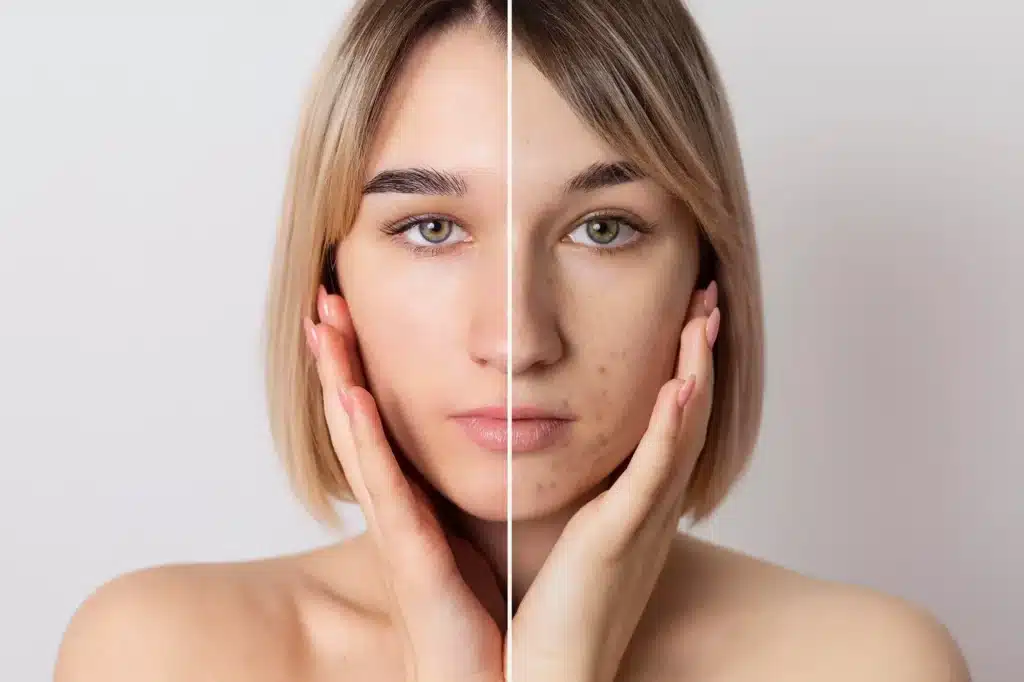
The cost of skin lightening treatments in Korea can range from $200 to $2,500, depending on the type of procedure, the clinic's reputation, and the extent of the treatment. Q-switched Nd:YAG laser is the most studied laser modality for pigmentation conditions, including melasma and lentigines, and has been found to be generally effective for melasma in a 2022 systematic review of 42 studies.
This article is for US patients researching skin lightening or pigmentation treatments at Korean clinics. It covers the main procedure types offered in Seoul and other major cities, realistic price ranges as of 2026, the regulatory framework governing these treatments in South Korea, and specific risks patients frequently underestimate.
It does not promote skin lightening as a cosmetic goal. It does not claim Korean clinics are universally superior. And it does not gloss over the fact that one of the most-marketed treatments in this category — glutathione injections for systemic skin whitening — lacks robust clinical evidence and has drawn regulatory warnings in multiple countries. The US FDA has explicitly flagged injectable glutathione products as unapproved new drugs and documented adverse events linked to their use; two separate FDA safety communications address these concerns directly.
If you’re researching this for pigmentation problems — melasma, post-inflammatory hyperpigmentation (PIH), sunspot reduction — Korean dermatology has legitimate clinical offerings worth understanding. That is the scope of this article.
South Korea’s dermatology sector is large and technically mature. Seoul alone has a high concentration of board-certified dermatologists by international standards. The country’s regulatory body, the Ministry of Food and Drug Safety (MFDS), oversees cosmetic and medical device approvals. Clinics operating legally must hold MFDS-compliant certifications for the equipment and injectables they use.
What the Clinical Evidence Actually Shows
Not all skin lightening treatments carry the same evidence base. The differences matter before you travel.
Laser Treatments for Hyperpigmentation
Q-switched Nd:YAG laser is the most studied laser modality for pigmentation conditions, including melasma and lentigines. A 2022 systematic review of 42 studies by Lee et al., published in Medicina, found the low-fluence Q-switched Nd:YAG laser to be generally effective for melasma — but the review also documented that recurrence rates remain high without maintenance treatment, and that aggressive use can trigger hyperpigmentation via inflammation, particularly in darker skin. Fractional CO2 and fractional erbium lasers target texture and superficial pigmentation but carry a higher risk of post-inflammatory hyperpigmentation in darker skin tones — an outcome patients with Fitzpatrick skin types IV–VI must discuss explicitly with their provider before any treatment begins.
The cost of skin lightening treatments in Korea can range from $200 to $2,500, depending on the type of procedure, the clinic’s reputation, and the extent of the treatment. Below is a general overview of the costs associated with skin lightening in Korea:
| Cost Component | Estimated Price Range (USD) |
|---|---|
| Consultation Fee | $50 – $150 |
| Chemical Peels | $200 – $800 per session |
| Laser Treatments | $300 – $1,500 per session |
| Microneedling with PRP | $500 – $1,200 per session |
| Brightening Serums and Creams | $100 – $300 per product |
| Intensive Skin Whitening Injections | $1,000 – $2,500 |
| Post-Treatment Care (Follow-up Visits) | $100 – $300 per visit |
Publicly listed prices from Seoul clinic websites as of early 2026 suggest the following ranges. Actual quotes vary by clinic, machine model, and treatment area — request itemized quotes in writing before booking.
| Treatment | Estimated per-session cost (USD) | Typical sessions needed |
|---|---|---|
| Q-switched Nd:YAG laser | $150 – $500 | 4–8 |
| Fractional laser (CO2/erbium) | $300 – $900 | 2–4 |
| IPL (Intense Pulsed Light) | $150 – $400 | 3–6 |
| Picosecond laser | $200 – $600 | 3–6 |
Chemical Peels
Glycolic, salicylic, and TCA peels are well-established for superficial pigmentation. Peer-reviewed literature supports moderate efficacy for mild melasma and PIH with consistent use — a comprehensive review of PIH treatment options published in the Journal of Clinical and Aesthetic Dermatology documents first-line topical and procedural options including chemical peels alongside their evidence levels. Deeper TCA peels (30%+) require physician administration and carry meaningful downtime — typically 7–14 days. Superficial peels are often performed by aestheticians rather than dermatologists at Korean clinics. Ask specifically which credential level will administer your peel.
Publicly listed costs: approximately $100 – $600 per session depending on depth and acid type.
Microneedling with PRP
Microneedling creates controlled micro-injuries to stimulate collagen synthesis. Adding Platelet-Rich Plasma (PRP) — derived from the patient’s own blood — is theorized to accelerate healing and enhance ingredient absorption. The evidence base for PRP specifically in pigmentation reduction is mixed: a 2022 systematic review of seven studies in Dermatologic Surgery found that most trials showed significant improvement in melasma with intradermal PRP, but the reviewers noted that methodological heterogeneity prevents a meta-analysis, and the biological rationale is stronger than the definitive efficacy evidence at this stage. Clinics in Korea heavily market this combination — the science is plausible, but patients should not expect guaranteed lightening outcomes.
Publicly listed costs: approximately $300 – $900 per session.
Glutathione Injections — What the Regulatory Record Shows
This is the treatment patients ask about most and understand least.
Glutathione is an antioxidant produced naturally in the body. Oral glutathione supplements are legal and widely sold. The theory behind IV glutathione for skin lightening is that systemic administration inhibits tyrosinase, the enzyme centrally involved in melanin synthesis.
The problems are significant and documented:
The FDA has not approved injectable glutathione for skin whitening. The agency has issued documented safety communications after receiving reports of patients who suffered adverse events — including respiratory distress and hospitalization — following IV glutathione compounded using dietary-supplement-grade powder. The FDA describes these products as unapproved new drugs. Its Skin Facts! consumer initiative specifically flags injectable skin lightening products as potentially unsafe. The Philippines’ FDA has separately banned specific glutathione injection products marketed for whitening.
The peer-reviewed evidence on efficacy is limited. The foundational study most often cited for oral supplementation — Arjinpathana & Asawanonda’s 2012 randomized, double-blind, placebo-controlled trial in 60 subjects — found a modest reduction in melanin index after four weeks of oral glutathione. The authors explicitly noted that long-term safety had not been established. Evidence for IV administration is substantially weaker than for oral supplementation, and carries different safety considerations.
IV administration carries risks oral supplementation does not. A 2025 narrative review published in PMC found that IV glutathione is associated with anaphylaxis, hepatotoxicity, and other serious adverse events, and that the FDA has issued warnings citing liver damage, severe allergic reactions, and absence of standardized dosing protocols. A published case report in PMC (2025) documents a previously healthy woman who developed systemic inflammatory response syndrome — including liver injury, coagulopathy, and shock requiring hospitalization — within one hour of receiving a high-dose IV glutathione infusion for skin lightening. Longer-term concerns include thyroid dysfunction and kidney complications based on case literature.
Korea’s MFDS regulates glutathione injections, but “MFDS-approved clinic” does not mean the specific IV glutathione whitening protocol has received regulatory clearance as a treatment indication. Ask any clinic to provide documentation of MFDS registration for the specific product and indication — not just the clinic license.
Publicly listed costs: approximately $200 – $800 per session; packages of 5–10 sessions are commonly marketed.
South Korea’s Regulatory and Clinical Landscape
The Regulatory Body: MFDS
South Korea’s Ministry of Food and Drug Safety — Korean: 식품의약품안전처, or MFDS — governs pharmaceutical products, medical devices, and cosmetics. Visit the MFDS English portal to look up facility registration numbers. Any clinic administering prescription-level treatments or operating medical lasers must hold MFDS-compliant authorization. This is a legitimate and functional regulatory system. However, MFDS approval of a clinic does not mean every treatment that clinic offers has been individually evaluated for efficacy.
The Korea Health Industry Development Institute (KHIDI) tracks inbound medical tourism and operates a medical Korea portal listing participating hospitals — a starting point for identifying formally registered facilities.
Accreditation: What to Look For
Joint Commission International (JCI) accreditation is the most internationally recognized hospital accreditation standard. Several major Korean hospitals hold JCI accreditation — Severance Hospital has been continuously JCI-accredited since 2007, for example, as documented on the JCI website. To verify the current JCI accreditation status of any specific hospital before referring a patient, use the JCI accredited organizations directory directly.
However, most dermatology clinics where foreigners receive skin treatments are outpatient clinics, not hospitals. These smaller clinics are not JCI-accredited and are instead subject to MFDS facility inspection standards. Ask any outpatient clinic for:
- Their MFDS medical institution registration number
- Confirmation that the treating physician holds a Korean medical license (의사면허) — board-certified dermatologists will hold 피부과 전문의 (dermatology specialty) certification
Doctor Credentials in South Korea
Korean dermatology board certification requires four years of medical school, one year of internship, and four years of dermatology residency, followed by a board examination. Cosmetic procedures at dermatology clinics are legally required to be performed by or under the direct supervision of a licensed physician. In practice, some clinics use nurses or aestheticians for laser and injection procedures without direct physician oversight — a documented issue in Korean aesthetic medicine that patients should probe before booking.
One counterintuitive reality: a smaller independent clinic in Gangnam may have a more experienced specialist than a large multi-location aesthetic chain. Volume of locations is not a proxy for physician quality.
Language and Logistics for US Patients
Many Seoul clinics serving international patients have English-speaking coordinators. However, the coordinator may be fluent while the treating physician speaks limited English. Request to speak directly with your treating physician before booking — not only with the coordinator.
Visa: Per the US State Department travel advisory for South Korea, US passport holders currently do not need a visa for stays of up to 90 days for tourism or business. A Korean Electronic Travel Authorization (K-ETA) has been waived for US citizens through December 31, 2026; beginning January 1, 2027, a K-ETA will be required before travel. No medical visa is required for outpatient treatments within the 90-day window. Confirm current requirements directly with the Korean embassy before booking travel, as entry rules can change.
Medical records: Bring a complete English-language list of current medications and known allergies. Most Korean clinics serving foreign patients will request a brief health history form.
Risks and Red Flags
Documented Medical Risks by Treatment
Laser treatments:
- Post-inflammatory hyperpigmentation (PIH) — risk is significantly higher in Fitzpatrick skin types IV–VI; peer-reviewed literature confirms paradoxical darkening is a known complication of Q-switched laser when used aggressively
- Blistering and scarring if settings are inappropriate for skin type
- Herpes simplex reactivation in patients with a history of oral or genital herpes — prophylactic antivirals should be discussed pre-procedure
Chemical peels:
- Permanent scarring with deep TCA peels if applied incorrectly
- Infection risk in the post-peel window
- Significant sun sensitivity requiring strict sun avoidance
IV glutathione:
- Injection-site infection
- Anaphylactic reaction — at least one case requiring emergency care is documented in published literature
- Systemic inflammatory response, liver injury, and coagulopathy, as documented in a 2025 PMC case report
- Thyroid dysfunction and kidney complications with prolonged use based on case literature and reviews
- Unknown long-term safety profile for cosmetic IV dosing regimens
Situations Where You Should Not Travel for These Treatments
- Active skin infection, open wounds, or active acne at the planned treatment site
- Current pregnancy or breastfeeding (laser and chemical peels are generally contraindicated)
- Recent isotretinoin (Accutane) use — most protocols require a 6–12 month washout before laser or deep peels
- Autoimmune conditions affecting the skin (psoriasis, lupus) — discuss with your US physician first
- Patients planning to fly home within 48 hours of a laser procedure — wound care access and sun exposure during travel are genuine clinical concerns
Clinic Red Flags
- No itemized written treatment plan before payment is accepted
- Cannot provide the treating physician’s medical license number on request
- Proposes a full multi-session paid package before any consultation — this structurally limits refund options
- Cannot explain their complication management protocol for patients who return home before full healing
- Claims “guaranteed” whitening results — no ethical clinic does this
- Cash-only payment with no receipt
15 Questions to Ask Before Booking
- What is the treating physician’s Korean dermatology board certification number (피부과 전문의)? Request it in writing before paying any deposit.
- Who specifically will administer my treatment — a physician, a nurse, or an aesthetician? Will a physician be physically present during the procedure?
- What is your clinic’s MFDS medical institution registration number?
- For laser treatments: what is the specific laser model, wavelength, and fluence settings proposed for my Fitzpatrick skin type? Have you treated patients with my skin tone before?
- For glutathione injections: what specific product will be used? Is it MFDS-registered? What is the lot number, and can I see product documentation?
- What is your documented complication rate for this procedure? Can you show before-and-after photos of patients with a similar skin tone and concern?
- If I experience a complication after returning to the US, who is my point of contact at your clinic, and what does your follow-up protocol look like across time zones?
- Do you have a refund policy if results fall significantly outside the expected range? Get this in writing.
- Does the clinic carry malpractice insurance? What is the claims process for foreign patients?
- What sun protection protocol do you require post-procedure, and how does that interact with a long-haul flight home?
- Do you provide a complete treatment summary in English I can share with my US dermatologist?
- What medications must I stop before treatment, and how many days in advance?
- For combination packages: what interval is required between treatments, and can that safely fit within my travel window?
- If my skin reacts poorly to a test patch, what is the cancellation policy without financial penalty?
- Can you provide your MFDS registration number so I can verify your clinic independently at the MFDS portal?
What Universal Medical Travel Does — and Doesn’t Do
Universal Medical Travel connects US patients with international clinics and facilitates logistics. For Korean skin lightening procedures, UMT can provide introductions to clinics in our network, help coordinate consultations, and assist with travel planning questions.
What patients must verify themselves: The specific treating physician’s credentials, the regulatory status of any injectable product proposed, and any MFDS complaint history for the clinic. UMT cannot verify these in real time on your behalf.
UMT is a medical travel facilitator. We are not a medical provider, we do not provide medical advice, and we do not supervise your treatment. The relationship is between you and the clinic. Our role is to help you ask better questions and access clinics that meet documented standards — not to vouch for clinical outcomes.
Frequently Asked Questions
Q: Is skin lightening legal in South Korea for foreign patients?
A: Yes. Dermatological skin lightening treatments — laser procedures, chemical peels, topical agents — are legal for foreign patients at licensed clinics. IV glutathione administration in a clinical setting is legal in South Korea. However, the FDA in the US has not approved this as a treatment, and the agency has issued documented safety warnings about injectable glutathione products. Patients should be aware of this regulatory gap before proceeding.
Q: Do I need a referral from a US doctor to get treatment in Korea?
A: No referral is required. However, sharing your US dermatologist’s notes and any prior treatment history with the Korean clinic will substantially improve the quality of your consultation. Bring records of any previous laser treatment, peels, or pigmentation medications.
Q: How many sessions will I need, and can I get them all in one trip?
A: It depends on the treatment. Most laser protocols for melasma require 4–8 sessions spaced 4–6 weeks apart — as reflected in the evidence from systematic reviews of Q-switched laser treatment for melasma. Consolidating a full laser protocol into one trip is generally not clinically appropriate. Chemical peels can sometimes be done in a single series with shorter intervals. Confirm the realistic clinical timeline before booking travel.
Q: What happens if something goes wrong after I return home?
A: This is the most important question most patients don’t ask before traveling. Get a written follow-up protocol from your clinic before leaving Seoul. Identify a US dermatologist who can manage complications from the specific procedure you had — Korean clinics cannot easily treat you remotely after you’re home.
Q: Are Korean skin lightening treatments cheaper than in the US?
A: For laser procedures, typically yes — often by 30–60% depending on the treatment and US provider you’re comparing. Factor in round-trip airfare (roughly $900–$1,400 from the US East Coast as of 2026, though prices fluctuate — confirm current fares before calculating savings), accommodation, and lost work time. The cost advantage is real for multi-session packages but narrows considerably for single sessions.
Q: Is glutathione IV safe?
A: The FDA has explicitly cautioned against injectable glutathione for skin lightening, citing unapproved status, documented adverse events, and the absence of standardized dosing protocols — as detailed in its compounding safety communication. Published case literature documents serious outcomes including systemic inflammatory response and acute liver injury. Short-term administration in a clinical setting has not produced consistent severe adverse events across all patients, but long-term safety data for cosmetic dosing regimens simply does not exist. This is a treatment where the risk-benefit calculation is genuinely unclear, and it is not one we can characterize as safe without qualification.
Q: How do I check if a Korean clinic is legitimate?
A: Request the clinic’s MFDS medical institution registration number and verify it at the MFDS official portal. For the treating physician, request their 피부과 전문의 (dermatology board certification) number. Both are public records in South Korea. For major hospitals claiming JCI accreditation, verify current status directly using the JCI accredited organizations directory.
Sources Cited
- US FDA. “FDA Highlights Concerns with Using Dietary Ingredient Glutathione to Compound Sterile Injectables.” Compounding Alert, June 2019. https://www.fda.gov/drugs/human-drug-compounding/fda-highlights-concerns-using-dietary-ingredient-glutathione-compound-sterile-injectables (CITE 1 / LINK 1)
- US FDA. “Skin Facts! What You Need to Know About Skin Lightening Products.” FDA Consumer Initiative, updated March 2024. https://www.fda.gov/consumers/minority-health-and-health-equity/skin-facts-what-you-need-know-about-skin-lightening-products (CITE 1 supplementary)
- Lee YS, Lee YJ, Lee JM, Han TY, Lee JH, Choi JE. “The Low-Fluence Q-Switched Nd:YAG Laser Treatment for Melasma: A Systematic Review.” Medicina (Kaunas). 2022;58(7):936. https://pmc.ncbi.nlm.nih.gov/articles/PMC9323185/ (CITE 3)
- Arjinpathana N, Asawanonda P. “Glutathione as an oral whitening agent: a randomized, double-blind, placebo-controlled study.” J Dermatolog Treat. 2012;23(2):97–102. https://pubmed.ncbi.nlm.nih.gov/20524875/ (CITE 4)
- Davis EC, Callender VD. “Postinflammatory hyperpigmentation: a review of the epidemiology, clinical features, and treatment options in skin of color.” J Clin Aesthet Dermatol. 2010;3(7):20–31. https://pubmed.ncbi.nlm.nih.gov/20725554/ (CITE 6)
- Lim SD, et al. “Platelet-Rich Plasma in Melasma — A Systematic Review.” Dermatologic Surgery. 2022;48(1):131–134. https://pubmed.ncbi.nlm.nih.gov/34904579/ (CITE: PRP + pigmentation)
- Younis A, et al. “Systemic Inflammatory Response Syndrome Following High-Dose Intravenous Glutathione-Containing Revitalising Solution.” Case Report, PMC. 2025. https://pmc.ncbi.nlm.nih.gov/articles/PMC12185258/ (CITE: glutathione adverse event case report)
- Makdissi R, et al. “Exploring the Safety and Efficacy of Glutathione Supplementation for Skin Lightening: A Narrative Review.” PMC. 2025. https://pmc.ncbi.nlm.nih.gov/articles/PMC11862975/ (CITE: glutathione narrative review, adverse events)
- South Korea Ministry of Food and Drug Safety (MFDS) — English portal: https://www.mfds.go.kr/eng/ (LINK 2)
- Joint Commission International. Severance Hospital case study. https://www.jointcommission.org/en/about-us/recognizing-excellence/stories/severance (VERIFY 3 — Severance JCI confirmation)
- Joint Commission International. Accredited organizations directory. https://www.jointcommission.org/en-us/about-us/recognizing-excellence/find-accredited-international-organizations (VERIFY 3 — current accreditation lookup)
- US Department of State. South Korea Travel Advisory (Level 1 — Exercise Normal Precautions). May 2025. https://travel.state.gov/en/international-travel/travel-advisories/south-korea.html (VERIFY 4 — visa-free entry, K-ETA rules)
Important: This article provides general information about skin lightening and pigmentation procedures in South Korea and is not medical advice. These procedures carry specific risks — including, in the case of IV glutathione, risks the FDA has explicitly documented. International medical travel adds additional risks. Outcomes vary by individual and by provider. Consult a licensed physician who has reviewed your complete medical history before making any treatment decision or traveling abroad for care. Regulatory status, pricing, and clinic offerings change frequently — verify all specifics directly with clinics before committing. Some treatments discussed, including IV glutathione for skin whitening, are not approved for this indication in the United States. Universal Medical Travel is a medical travel facilitator and does not provide medical services.
Last updated: May 2026
Your Health Journey Starts Here – Connect with Our Consultants Today!
Please submit the patient form to qualify for the Discount Code or any promotions that are available. If you contact the clinic directly before submitting the form, you will receive the standard prices.
Patient Information Form (Discount Code: UMT 5%)Want to see more of our medical travel guides in Google Search?