Double eyelid surgery in Korea can cost between $800 and $5,000, based on several factors including the clinic's reputation, the surgeon's expertise, and the technique used. The non-incisional method, which involves sutures placed through micro-punctures, carries a documented rate of fold loosening over time, with a study from Korea University Hospital finding that 1.2% of patients required reoperation to correct fold loosening over a 15-year period.
This guide is for US patients seriously considering double eyelid surgery (Asian blepharoplasty) in South Korea. It covers the three surgical techniques, realistic cost ranges as of May 2026, what Korean clinics are actually required to meet under Korean law, and — critically — what happens if something goes wrong after you fly home.
This is a cosmetic surgical procedure. It carries real risks, including permanent asymmetry, scarring, and in rare cases, lagophthalmos (inability to fully close the eye). It is not experimental, but it is surgery. Approach the decision accordingly.
The CDC’s Travelers’ Health Medical Tourism page advises US patients to verify the credentials of any international facility before booking, and specifically flags complications from cosmetic surgery abroad — including infections and the compounded costs of US-based follow-up care — as documented risks.
What the Data Shows
Procedure Volume in Korea
South Korea performs more cosmetic eyelid procedures per capita than nearly any other country. According to the International Society of Aesthetic Plastic Surgery (ISAPS) Global Survey 2024, eyelid surgery overtook liposuction in 2024 to become the single most common cosmetic surgical procedure performed worldwide. South Korea consistently ranks among the top five countries globally by total cosmetic procedure volume, and blepharoplasty ranks among Korea’s top two cosmetic procedures performed per year.
According to Nguyen, Hsu & Dinh, writing in Seminars in Plastic Surgery (2009), approximately 50% of people of Asian descent do not have a natural supratarsal crease — the anatomical feature that produces a “double eyelid.” Many individuals seek double eyelid surgery for aesthetic reasons, though the procedure is also performed for functional issues when a heavy upper eyelid obstructs vision (ptosis repair, which is a different and more complex surgery — do not conflate the two).
Technique Comparison
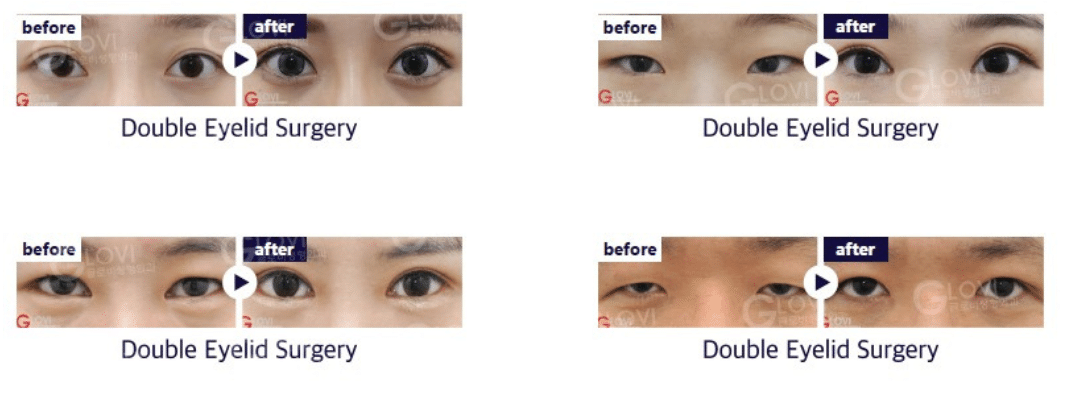
Three main surgical methods are used. They differ in invasiveness, permanence, and suitability based on eyelid anatomy.
| Technique | Approach | Best Candidates | Permanence | Recovery |
|---|---|---|---|---|
| Non-incisional (buried suture) | Sutures placed through micro-punctures | Thin eyelids, no excess skin or fat | May loosen over time; revision possible | 3–7 days swelling |
| Partial incisional | Small incisions + sutures | Moderate skin or mild fat | More durable than suture alone | 1–2 weeks |
| Full incisional | Full incision; skin/fat/muscle removal | Excess skin, fat, or ptosis component | Permanent | 2–4 weeks; scar matures over months |
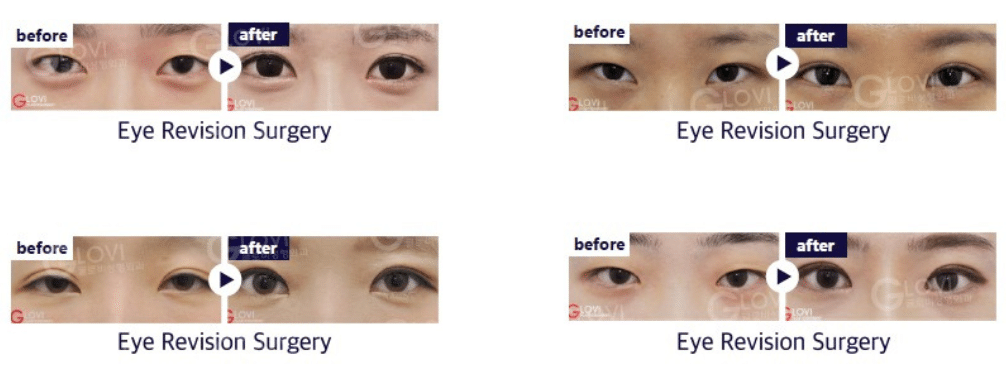
The non-incisional method carries a documented rate of fold loosening over time. A study from Korea University Hospital published in Archives of Plastic Surgery (Moon et al., 2013) found that among 250 patients followed over 15 years, 1.2% required reoperation to correct fold loosening, and one patient experienced suture knot exposure. A separate comparative study found that fold loss rates ranged from 8.6% to 19.3% depending on suture technique, with the interrupted buried suture method carrying significantly higher risk than the continuous method (Baek et al., 2015). Patients with heavier eyelids who choose this method to avoid scarring may require revision surgery. An honest surgeon will tell you this upfront.
Cost Ranges as of May 2026
Double eyelid surgery costs in Korea can vary widely, typically ranging from $1,000 to $5,000, based on several factors, including the clinic’s reputation, the surgeon’s expertise, the technique used, and the specific needs of the patient.
As of May 2026, prices reported from Korean clinics for international patients generally fall within these ranges. These are illustrative ranges drawn from publicly available clinic marketing materials and should not be treated as quotes — exact pricing requires direct inquiry with a specific clinic and varies by surgeon seniority, clinic district, and what is included in the package.
| Technique | Reported Price Range (USD) |
|---|---|
| Non-incisional method | $800–$2,500 |
| Partial incisional method | $2,000–$3,500 |
| Full incisional method | $2,800–$5,000 |
Additional costs US patients routinely underestimate:
| Item | Estimated Range |
|---|---|
| Pre-operative consultation | $50–$150 (sometimes waived) |
| Anesthesia | $200–$500 |
| Post-op medications | $50–$150 |
| Round-trip airfare (US to Seoul) | $800–$1,800 depending on origin city and timing |
| Hotel (7–10 nights recommended minimum) | $700–$1,500 |
| Translation/coordination services | $0–$300 (many clinics include this) |
| Revision surgery if needed | Full procedure cost again |
A patient flying from the US East Coast, spending 10 nights in Seoul, and paying mid-range surgery costs should budget $5,000–$8,500 all-in. The price gap versus a US-based cosmetic surgeon narrows considerably at that total. The value proposition is real — but it requires honest math.
Korea-Specific Regulatory and Clinic Details
Who Regulates Korean Plastic Surgery Clinics
Korean plastic surgery clinics operate under oversight from the Ministry of Health and Welfare (보건복지부) and must be registered with the Korean medical establishment. Surgeons must hold board certification from the Korean Society of Plastic and Reconstructive Surgeons (KSPRS), the national body that oversees surgical training and ethical standards. For oculoplastic specialists performing blepharoplasty, certification may also come from the Korean Society of Ophthalmology.
Before booking, ask any clinic for the operating surgeon’s board certification number and confirm it against the KSPRS member directory — which is publicly searchable in English at plasticsurgery.or.kr. This takes ten minutes and most legitimate clinics will provide it without hesitation.
Korean clinics are not required to hold Joint Commission International (JCI) accreditation, and most cosmetic surgery clinics — which are typically outpatient clinics, not hospitals — do not. JCI accreditation is more relevant for inpatient hospital stays. What matters more for an outpatient cosmetic procedure is:
- Whether the operating room meets Korean Ministry of Health standards (this is a baseline legal requirement)
- Whether the anesthesiologist is a board-certified Korean MD anesthesiologist, not a nurse anesthetist
- Whether the clinic has an emergency protocol and agreement with a nearby hospital
Ask specifically: “If I require emergency care during my procedure or recovery in Seoul, which hospital would I be transported to and what is your protocol?”
Visa and Logistics for US Patients
As of May 2026, US passport holders do not require a K-ETA (Korea Electronic Travel Authorization) for tourism or business stays of 90 days or less. Per the US State Department Travel Advisory for South Korea, the K-ETA exemption has been extended through December 31, 2026. Starting January 1, 2027, US citizens will be required to obtain a K-ETA before travel. Confirm requirements on the official US Embassy in Korea website before booking travel, as these exemptions have changed multiple times.
Most established cosmetic surgery clinics in the Gangnam district of Seoul maintain English-speaking patient coordinators during business hours. However, post-operative instructions, discharge paperwork, and follow-up communication should be confirmed in both English and Korean — translation errors in post-op care are a documented source of complications in medical travel broadly.
Plan to stay in Seoul a minimum of 7–10 days. Per the CDC Yellow Book Medical Tourism guidelines, the American Society of Plastic Surgeons specifically recommends that patients who have undergone cosmetic procedures to the face, eyelids, or nose wait 7–10 days before flying. Flying home within 48–72 hours of eyelid surgery significantly increases swelling risk and makes managing any complications nearly impossible.

Risks and Red Flags
Documented Surgical Complications
Double eyelid surgery is generally considered low-risk relative to more invasive cosmetic procedures. Based on a retrospective analysis of more than 22,000 blepharoplasty procedures and 7 years of post-operative complaint data, the documented complications requiring patient attention include (PMC, 2025):
- Asymmetry — the most common complaint requiring revision; asymmetric crease height is the leading specific complaint
- Suture extrusion — specifically in non-incisional technique; can require suture removal
- Lagophthalmos — partial inability to close the eye; ranges from temporary to permanent
- Infection — rare but documented, particularly in non-sterile post-op environments
- Scar visibility — more common when incisions are not aligned with natural skin tension lines
- Fold disappearance — non-incisional folds may relax or disappear over years, requiring revision
A comprehensive review from Samsung Medical Center in Seoul further categorizes complications from double eyelid surgery into five clinical groups: patient dissatisfaction, problems with crease formation, problems with eyelid height, suture-related complications, and general eyelid surgery complications (Kim et al., 2020, PubMed). Revision surgery is more complex than primary surgery.
Warning Signs of a Problematic Clinic
- Guaranteed results language. No surgeon can guarantee symmetry outcomes — eyelid healing varies by individual biology.
- Pressure to decide during the consultation. Any clinic pushing same-day booking decisions should be avoided.
- Cash-only payment. Limits your recourse if something goes wrong.
- No written informed consent document in English. You cannot consent to what you cannot read.
- No clear answer to: “What happens if I develop a complication after I return to the US?” This is the question that separates prepared clinics from unprepared ones. The answer should include: a named surgeon available by video, written instructions for your US-based physician, and a clear refund or revision policy.
- Unlicensed injections during a bundled package. Some clinics upsell Botox or filler during the same visit under sedation — these should be separate, consented procedures, not add-ons.
When You Should NOT Travel to Korea for This
- You have a blood clotting disorder or are on anticoagulant medication (consult your physician before any surgical consideration)
- You have active eye infections, severe dry eye syndrome, or thyroid eye disease
- You are seeking this procedure primarily because a clinic offered an unverifiable discount that expires soon
- You cannot take 10–14 days away from work and physical activity — rushing recovery is a complication multiplier
- You have no established physician at home willing to manage post-operative complications — this is not optional
12 Questions to Ask Before Booking Any Korean Clinic
- What is the operating surgeon’s full name and their KSPRS board certification number? Can you provide this in writing before I pay a deposit?
- How many double eyelid procedures does this specific surgeon — not the clinic overall — perform per week?
- Which technique do you recommend for my anatomy, and why? What are the revision risks specific to that technique?
- Is the anesthesiologist a board-certified MD anesthesiologist or a nurse anesthetist? What anesthesia protocol is used?
- What is your documented revision rate for this procedure over the past 12 months?
- If I develop a complication after returning to the US, what is your exact protocol? Who is my point of contact, and what is their direct line?
- Will you provide a written operative report and post-op instructions in English that I can give to a physician in the US?
- What does your informed consent document cover, and can I receive it in English before I arrive — not on the day of surgery?
- Is your clinic registered with the Korean Ministry of Health and Welfare? What is your registration number?
- What is your refund and revision policy if I am unsatisfied with the result or if a medical complication requires additional procedures?
- Does your anesthesia protocol include monitoring for cardiac events, and who manages an emergency if one occurs mid-procedure?
- Are before-and-after photos from your clinic’s own patients, taken by your team? Can you show me photos at 6 and 12 months post-op, not just immediately post-surgery?
What Universal Medical Travel Provides
UMT is a medical travel facilitator. We connect US patients with international clinics and assist with logistics — we do not perform procedures, employ surgeons, or provide medical advice.
For double eyelid surgery inquiries, UMT can: provide a shortlist of clinics that have passed our verification process, assist with scheduling consultations, and support communication with clinic coordinators. Our clinic list is reviewed periodically — ask us for the date of our last review for any specific clinic.
UMT does not verify individual surgeon outcomes, guarantee procedure results, or take responsibility for medical decisions made between a patient and their chosen clinic. Patients are responsible for independently verifying surgeon credentials through the KSPRS member directory and for consulting a licensed physician before traveling.
Using UMT’s discount code (UMT5%) provides a fee reduction negotiated with partner clinics — it does not indicate clinical endorsement.
Frequently Asked Questions
Q: Is double eyelid surgery in Korea safe for US patients? The procedure is well-established in South Korea with a large volume of surgeries performed annually — eyelid surgery is now the most common cosmetic surgical procedure in the world, per ISAPS 2024 data. Safety depends significantly on the individual surgeon’s skill and the clinic’s protocols — not the country alone. US patients face an additional risk layer: managing complications at home after returning. Verify the clinic’s post-operative support protocol before booking.
Q: How long do I need to stay in Seoul after surgery? Most surgeons recommend a minimum of 7 days, with 10–14 days preferred for full incisional procedures. Stitches are typically removed at day 5–7. The CDC’s medical travel guidelines reference the ASPS recommendation to wait 7–10 days before flying after facial or eyelid procedures, as flying immediately after surgery increases swelling and makes complication management difficult.
Q: Will there be a visible scar? With the full incisional method, there will be an incision line that fades over months. Placed correctly along the natural crease, it becomes minimally visible in most patients. The non-incisional method leaves micro-punctures that generally heal without visible scarring, but the fold may not be permanent.
Q: Can I choose the crease height myself? You can communicate preferences. A skilled surgeon will assess your anatomy and advise on what is achievable given your specific eyelid structure, skin laxity, and fat distribution. Requesting a crease height that does not suit your anatomy increases complication risk.
Q: What happens if I need a revision after I return to the US? Revision surgery typically requires returning to the operating clinic — or finding a blepharoplasty-experienced surgeon in the US willing to operate on another surgeon’s work. This is not always straightforward. US surgeons often charge full fees for revisions of procedures they did not perform. Confirm the Korean clinic’s revision policy and whether they cover costs for complications caused by surgical error before you book.
Q: Is the non-incisional method better because it leaves no scar? Not necessarily. The non-incisional method is appropriate for patients with thin eyelids and minimal skin laxity. For patients with excess skin or fat, a suture-only method may produce a poorly defined or inconsistent fold. The right technique depends on anatomy, not preference for avoiding a scar.
Q: How do I verify a Korean surgeon’s credentials from the US? Request the surgeon’s full legal name and KSPRS board certification number in writing. The KSPRS maintains a public member directory searchable in English. If a clinic refuses to provide certification details before you pay a deposit, treat that as a red flag.
Disclaimer
Important: This article provides general information about double eyelid surgery (Asian blepharoplasty) and is not medical advice. This procedure carries specific risks including asymmetry, scarring, suture complications, and lagophthalmos, and is not appropriate for all patients. International medical travel adds additional considerations, including complications that may need to be managed in the US after your return. Outcomes vary by individual. Consult a licensed physician who has reviewed your complete medical history before making any treatment decision or traveling abroad. Prices, clinic offerings, and regulations change frequently — verify all specifics directly with clinics before committing. Universal Medical Travel is a medical travel facilitator and does not provide medical services.
Last updated: May 2026
Sources Cited
- Nguyen MQ, Hsu PW, Dinh TA. “Asian blepharoplasty.” Seminars in Plastic Surgery. 2009;23(3):185–197. https://pubmed.ncbi.nlm.nih.gov/20676313/
- Anonymous. “A 7-year analysis of complaints related to Asian blepharoplasty.” PMC, 2025. https://www.ncbi.nlm.nih.gov/pmc/articles/PMC11898149/
- Kim YS, et al. “Complications of Asian Double Eyelid Surgery: Prevention and Management.” PubMed, 2020. https://pubmed.ncbi.nlm.nih.gov/33368082/
- Moon KC, Yoon ES, Lee JM. “Modified double-eyelid blepharoplasty using the single-knot continuous buried non-incisional technique.” Archives of Plastic Surgery. 2013 Jul;40(4):409–13. https://pmc.ncbi.nlm.nih.gov/articles/PMC3724004/
- Baek JS, et al. “Comparison between continuous buried suture and interrupted buried suture methods for double eyelid blepharoplasty.” 2015. https://pubmed.ncbi.nlm.nih.gov/26413962/
- International Society of Aesthetic Plastic Surgery (ISAPS). Global Survey 2024: Full Report and Press Releases. https://www.isaps.org/discover/about-isaps/global-statistics/global-survey-2024-full-report-and-press-releases/
- ISAPS Global Statistics page. https://www.isaps.org/discover/about-isaps/global-statistics/
- CDC Travelers’ Health. “Medical Tourism.” https://wwwnc.cdc.gov/travel/page/medical-tourism
- CDC Yellow Book. “Medical Tourism.” https://www.cdc.gov/yellow-book/hcp/health-care-abroad/medical-tourism.html
- U.S. State Department. South Korea Travel Advisory. https://travel.state.gov/en/international-travel/travel-advisories/south-korea.html
- Korean Society of Plastic and Reconstructive Surgeons (KSPRS). Member Directory. https://www.plasticsurgery.or.kr/eng/search/
- Joint Commission International. https://www.jointcommissioninternational.org/
Your Health Journey Starts Here – Connect with Our Consultants Today!
Please submit the patient form to qualify for the Discount Code or any promotions that are available. If you contact the clinic directly before submitting the form, you will receive the standard prices.
Patient Information Form (Discount Code: UMT 5%)Want to see more of our medical travel guides in Google Search?