The cost of plastic surgery packages in South Korea generally ranges from $3,000 to $25,000, depending on the complexity and type of procedure. Korea has a documented "ghost surgery" problem, in which the consulted surgeon is swapped for an unlicensed or less-qualified operator once the patient is under anesthesia.
South Korea has become a global hotspot for plastic surgery, known for its advanced techniques and high-quality care. If you’re considering plastic surgery and wondering about costs and clinics in South Korea, this guide will give you a clear picture.



1. What This Article Covers — and What It Doesn’t
South Korea performs more plastic surgery per capita than any other country, and Seoul’s Gangnam district — specifically the Apgujeong area often called the “Beauty Belt” — concentrates the largest cluster of cosmetic clinics in the country. Data compiled by Korea’s Health Insurance Review and Assessment Service (HIRA) and published by Statista recorded more than 400 registered plastic surgery clinics in Gangnam-gu in 2023 — roughly three times the next-ranked district (Seocho). This guide covers the procedures foreign patients most commonly travel for, typical 2026 price ranges quoted by Seoul clinics, and — critically — the legal and clinical risks that most medical-travel websites leave out.
Three things you should know before reading further. First, Korea has a documented “ghost surgery” (대리수술, daerisusul) problem, in which the consulted surgeon is swapped for an unlicensed or less-qualified operator once the patient is under anesthesia. The practice is illegal, and the Medical Service Act was amended on September 24, 2021 and took effect on September 25, 2023 to require CCTV cameras in operating rooms and to mandate recording of surgery under general anesthesia at patient request, per the Library of Congress Global Legal Monitor’s summary of Act No. 18468 and the Journal of Korean Medical Science review of the amendment. Second, a Korean doctor does not need to be a board-certified plastic surgeon to perform cosmetic surgery legally — any licensed physician may do so, a point confirmed in Al Jazeera’s December 2024 investigation into the industry. That is why verifying KSPRS (Korean Society of Plastic and Reconstructive Surgeons) certification matters more than reading a clinic’s website. Third, the U.S. Food and Drug Administration does not regulate procedures performed abroad, and the CDC’s Yellow Book chapter on medical tourism documents that infection outbreaks, wound dehiscence, and thromboembolic events disproportionately burden U.S. patients who return home after cosmetic procedures abroad.
This article is not a sales page. If you are looking for reasons to book, search elsewhere.
2. What the Data Actually Shows on Cost
Published price ranges for cosmetic surgery in Seoul vary widely depending on clinic tier, surgeon seniority, whether the surgeon is KSPRS-certified, and whether the quote is for a domestic or “foreigner” price list. A documented gap between domestic and foreign-patient pricing has been repeatedly reported in Korean and international media. China Daily reported in 2015 that one Chinese patient paid roughly 1.12 million yuan for breast augmentation that would have carried a domestic price near 36,400 yuan — a 30× markup driven largely by commission-taking brokers — and The Diplomat’s 2018 reporting documented that brokers sometimes took commissions of up to 90% of the patient’s fee. The Ministry of Health and Welfare has since required all clinics attracting foreign patients to register, but Al Jazeera’s 2024 investigation found unregistered facilitators were still soliciting foreign patients within minutes on open platforms.
The cost of plastic surgery packages in South Korea generally ranges from $3,000 to $25,000, depending on the complexity and type of procedure. This range includes various surgeries, from less invasive treatments like double eyelid surgery and rhinoplasty, which are at the lower end, to more extensive procedures such as full body contouring and comprehensive facial reconstruction, which are at the higher end.
Cosmetic surgery in South Korea can range from around $200 for basic procedures like Botox to well over $20,000 for complex surgeries such as extensive facial reconstruction or full-body transformations. Costs vary widely depending on the clinic, surgeon’s experience, and the specific nature of the surgery.
The ranges below reflect quotes reported by Seoul clinics and international patient coordinators as of early 2026. These are indicative ranges drawn from publicly available clinic price lists and medical-tourism industry sources; every figure needs direct confirmation from the specific clinic before you budget against it.
| Procedure | Indicative 2026 Range (USD) | Notes |
|---|---|---|
| Double eyelid (blepharoplasty, non-incisional) | $1,200–$2,500 | Verify current pricing with clinic |
| Double eyelid (incisional) | $2,000–$3,500 | Higher for revision cases |
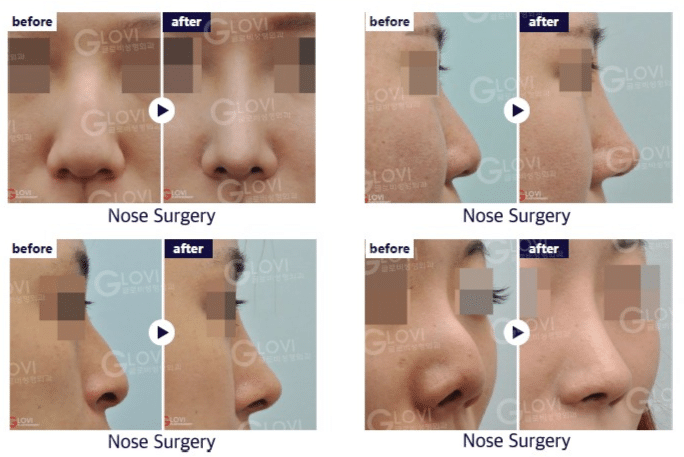
| Rhinoplasty (primary, no implant) | $3,000–$5,500 | Verify current pricing with clinic |
| Rhinoplasty (with rib cartilage, revision) | $6,000–$10,000+ | Revision pricing varies dramatically |
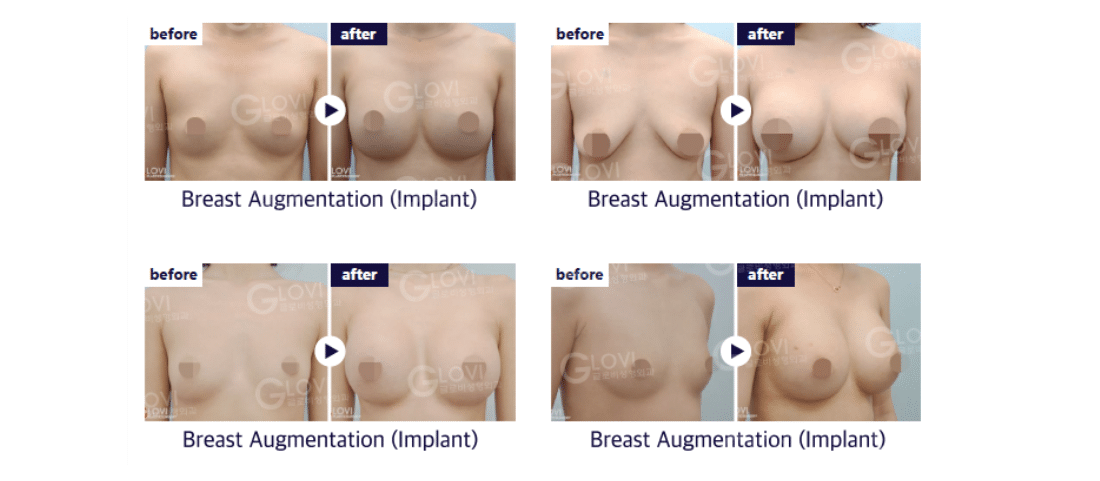
| Breast augmentation (Motiva/Mentor implants) | $5,500–$9,000 | Implant brand affects price materially |
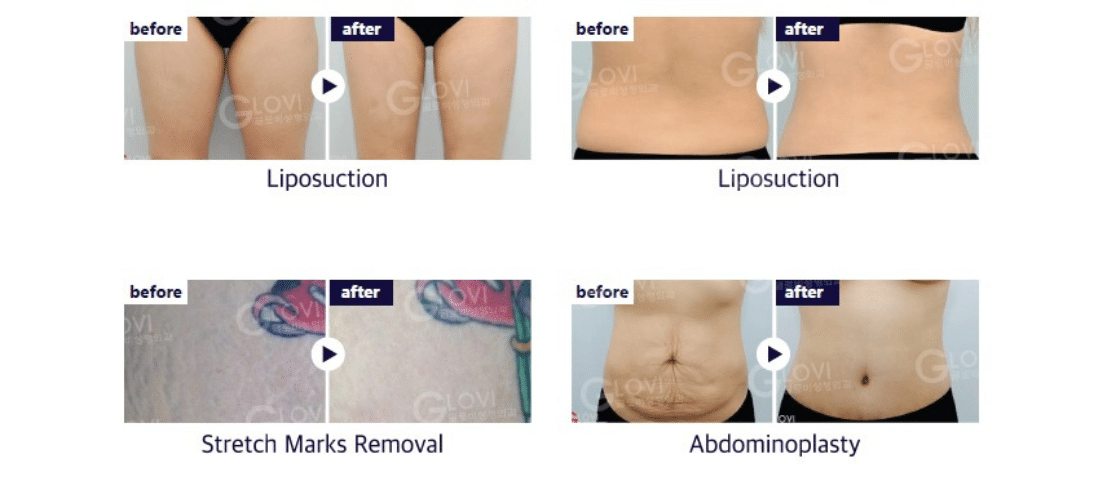
| Liposuction (single area) | $2,500–$5,000 | Verify current pricing with clinic |
| Facelift (SMAS) | $8,000–$14,000 | Verify current pricing with clinic |
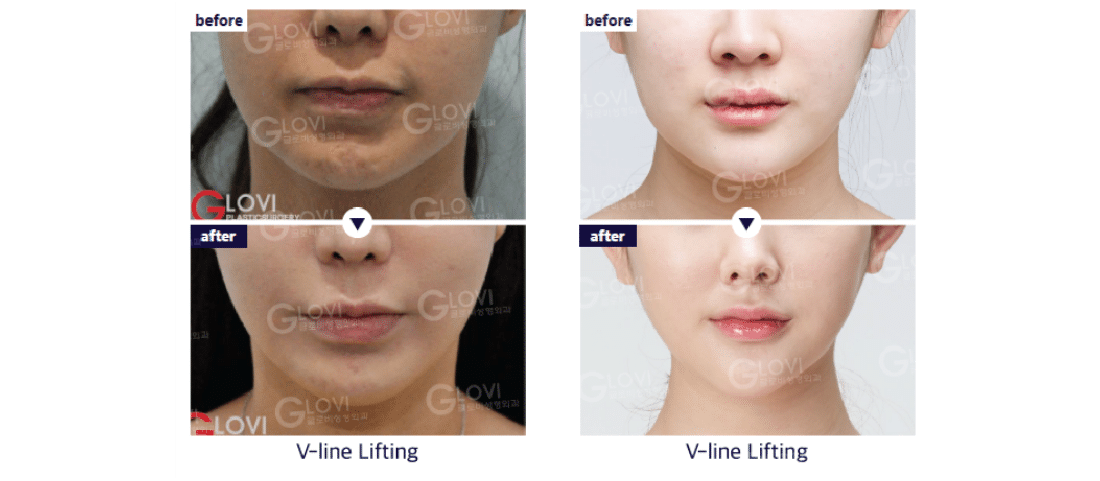
| V-line / jaw contouring (osteotomy) | $7,000–$12,000 | Higher-risk procedure — see Section 4 |
| Cheekbone (zygoma) reduction | $5,500–$9,000 | Verify current pricing with clinic |
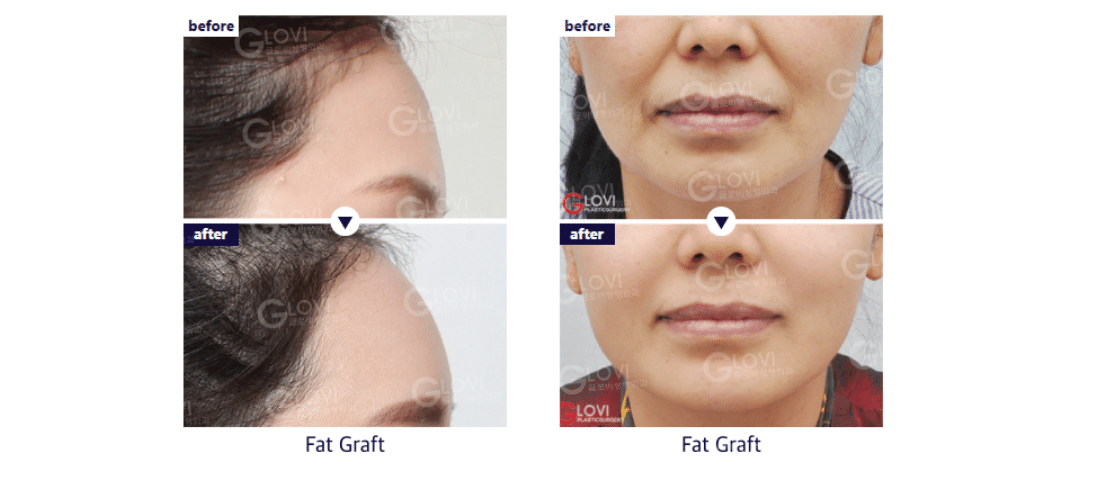
| Fat grafting (facial) | $2,500–$5,000 | Per session |
| Botulinum toxin (per area) | $150–$400 | Brand and unit count vary |
Price ranges are as of April 2026 and indicative only — obtain a written itemized quote from your specific clinic before committing.
Prices quoted by Seoul clinics typically include surgery, anesthesia, one night of observation (if indicated), and standard post-op medication. They typically exclude: consultations with interpretation, revision surgery if needed, extended hotel stays during 10–14 day swelling recovery, flights, and complication management if you return home early. Industry guidance from the American Society of Plastic Surgeons briefing paper on cosmetic surgery tourism and published medical-tourism complication-cost studies consistently recommend budgeting well above the surgical quote; a peer-reviewed case series in Plastic and Reconstructive Surgery Global Open found that U.S. patients treated for complications from cosmetic surgery abroad spent an average of roughly $6,180 per patient on evaluation alone, with other studies citing ranges up to $26,000.
One contrarian point on cost: the cheapest Gangnam quotes are not generally the best value. Korea has a well-documented pattern of clinics that advertise deeply discounted procedures and recoup margin through upselling, junior-surgeon substitution, or broker commissions. The Al Jazeera investigation documents the 2020 death of Bonnie Evita Law, a Hong Kong heiress introduced to a Gangnam clinic through an illegal broker; the operating surgeon was later revealed to be an orthopedic specialist, not a plastic surgeon, and was charged with professional negligence. A quote that is 40% below the market median is a signal to investigate, not to book.
3. The Regulatory and Clinic-Vetting Reality in South Korea
Who Regulates What
Korea’s medical system involves several bodies that are often conflated in English-language travel guides:
- Ministry of Health and Welfare (보건복지부, MOHW) — licenses physicians and sets national health policy. Does not directly accredit private cosmetic clinics.
- Ministry of Food and Drug Safety (식품의약품안전처, MFDS) — regulates medical devices, breast implants, fillers, and botulinum toxin products sold in Korea. All Class II, III, and IV medical devices must be registered with MFDS before sale or implantation in the Korean market.
- Korea Institute for Healthcare Accreditation (KOIHA, 의료기관평가인증원) — runs the domestic hospital accreditation program. Per KOIHA’s newly finalized Certification Standards Ver. 5.0 (effective 2027, reported by KoreaBiomed), accreditation historically has been voluntary for most outpatient cosmetic clinics, meaning most Gangnam plastic surgery clinics are not KOIHA-accredited; this reflects the accreditation program’s scope rather than a per-clinic red flag.
- Joint Commission International (JCI) — international accreditation held by a small number of Korean hospitals, primarily large academic centers. Most standalone cosmetic clinics are not JCI-accredited. The current list of JCI-accredited Korean facilities can be verified on the Joint Commission’s searchable international directory.
The KSPRS Distinction Most Patients Miss
In Korea, any licensed physician (의사) may legally perform cosmetic surgery after obtaining a general medical license. This is confirmed in Al Jazeera’s 2024 reporting: while only board-certified specialists may call their practice a “plastic surgery clinic,” Korean medical law does not restrict doctors to operating only within their specialty. Board-certified plastic surgeons — 성형외과 전문의 — must, per the Korean Society of Plastic and Reconstructive Surgeons’ published training pathway, pass the national medical licensing exam, complete a 1-year internship, complete a 4-year full-time residency in plastic and reconstructive surgery at a university-affiliated hospital, and then pass a rigorous board certification examination.
Clinics frequently advertise “specialist surgeons” without distinguishing between a KSPRS board-certified plastic surgeon and a general practitioner who does cosmetic work. Always ask for the surgeon’s specialty license number (전문의 번호) and verify it through the Korean Society of Plastic and Reconstructive Surgeons directory.
Visa Requirements for US Patients
Per the U.S. State Department’s South Korea travel advisory, US citizens can enter Korea visa-free for up to 90 days for tourism or short business stays, and the Korean Electronic Travel Authorization (K-ETA) requirement is waived for US passport holders through December 31, 2026 — K-ETA will become required again on January 1, 2027. Most short cosmetic-surgery trips fall within this visa-free window. Longer stays or certain medical procedures may require a C-3-3 short-term medical treatment visa.
Clinics registered with the Korea Health Industry Development Institute as approved foreign-patient-attraction facilities can issue invitation documents supporting a C-3-3 application; the public directory is maintained at Medical Korea (KHIDI). Under the Act on Support for Overseas Expansion of Healthcare System and Attraction of International Patients, unregistered clinics and brokers who attract foreign patients face up to three years in prison and a 30 million won fine, as summarized on Wikipedia’s medical tourism in South Korea entry citing the Ministry of Health and Welfare. Ask whether your clinic is KHIDI-registered — if it is not, it is not legally authorized to solicit you.
Language Support — What It Actually Looks Like
“English-speaking staff” ranges from a front-desk coordinator with conversational English to full professional medical interpretation. The realistic picture in Gangnam:
- Clinics in the top tier for foreign patients employ dedicated coordinators, often Korean-American or overseas-educated Korean nationals. Most clinical conversations still require translation.
- Surgeons’ direct English proficiency is variable. Many senior Korean plastic surgeons trained domestically and conduct consultations through interpreters.
- Signed informed consent documents must be provided in a language you fully understand. If they are only in Korean, do not sign. The Gangnam Medical Tourism Centre operated by the Gangnam district office, noted in Al Jazeera’s investigation, provides independent multilingual interpretation support for foreign patients and does not take clinic referral commissions.
4. Risks, Complications, and Red Flags
Documented Medical Complications
Cosmetic surgery in Korea carries the same category of risks as anywhere else — hematoma, infection, asymmetry, scarring, nerve injury, and anesthesia complications — with several procedure-specific concerns worth knowing:
- Jaw contouring (V-line / sagittal split osteotomy) is associated with meaningful rates of inferior alveolar nerve injury. A systematic review published in the British Journal of Oral and Maxillofacial Surgery (Agbaje et al., 2016, PubMed) reported that the prevalence of temporary inferior alveolar nerve injury after mandibular osteotomy is approximately 70 per 100 patients (95% CI 67–73), with permanent sensation alteration in roughly 33 per 100 patients — rates that increase further when genioplasty is combined with sagittal split osteotomy.
- Rhinoplasty revisions with silicone or Gore-Tex implants have well-documented extrusion, capsular contracture, infection, and displacement rates. The largest multisurgeon Asian series, from Chang Gung Memorial Hospital, found an overall 16% complication rate and 8% reoperation rate for silicone augmentation rhinoplasty, with infection in 5.3% and extrusion in 2.8% of cases — summarized in a peer-reviewed review in Seminars in Plastic Surgery (Lee, 2015). A separate Yonsei-led review of 581 revision rhinoplasty cases published in Yonsei Medical Journal (2014) cites alloplastic complication rates as high as 36% across individual studies — driven by infection, calcification, capsular contracture, extrusion, and implant shift.
- Facial bone contouring performed on patients with inadequate bone mass or aggressive resection planning has resulted in sagging, asymmetry, and the need for corrective grafting years later — a concern consistent with the mandibular osteotomy literature above.
The Ghost Surgery Problem
Korea’s ghost surgery scandal became internationally known after the 2016 death of Kwon Dae-hee, a 24-year-old student who died of catastrophic bleeding seven weeks after a jaw-contouring procedure at a Gangnam clinic. His mother, Lee Na-geum, obtained CCTV footage which, as CNN reported in its April 2021 investigation, showed that the advertised “head doctor” left the operating room and that portions of the procedure were performed by a general doctor and nursing assistants — while Kwon lost more than 3.5 liters of blood unattended. The surgeon was later convicted of involuntary manslaughter.
The legislative response was an amendment to the Medical Service Act promulgated on September 24, 2021 (Act No. 18468) with a two-year grace period, taking full effect on September 25, 2023 — confirmed by the Library of Congress Global Legal Monitor and The Korea Herald‘s coverage of the Ministry of Government Legislation announcement. The amended Article 38-2 requires medical institutions to install CCTV in any room where patients undergo surgery under general anesthesia, and to record at the patient’s written request. You have the legal right to request OR CCTV recording of your surgery. A clinic that refuses, claims their cameras are “broken,” or pressures you out of the request is showing you a red flag at exactly the moment you need one.
Warning Signs of a Bad Clinic
- Pricing substantially below market (40%+ discount) or aggressive “limited-time” deals
- Consultation conducted only by a coordinator, not the operating surgeon, before you are asked to pay a deposit
- Refusal to provide the surgeon’s KSPRS specialty license number in writing
- Informed consent documents provided only in Korean
- No written complication-management or revision policy
- Pressure to book same-day or next-day surgery
- Cash-only payment requirement, or pressure to pay outside official billing
- No clear post-operative follow-up plan for when you return home
- Broker involvement where the broker — not the clinic — holds your medical records or payment
When You Should Not Travel for Cosmetic Surgery
- Active infection, uncontrolled diabetes, or uncontrolled hypertension
- BMI outside the range your surgeon requires (varies by procedure)
- Active smoking within the window your surgeon specifies (typically 4–6 weeks pre-op for most procedures)
- History of keloid scarring without a documented surgical plan addressing it
- Any condition requiring follow-up more intensive than your home country’s reasonably accessible care
- Pregnancy, or planning pregnancy within the recovery window
- Unrealistic expectations — if you cannot articulate what you want changed in specific, measurable terms, you are not ready
The U.S. CDC publishes general guidance for medical tourists at its Travelers’ Health page, and the more detailed CDC Yellow Book chapter on medical tourism specifically notes that patients should not fly for 10 days after chest or abdominal surgery, and that the American Society of Plastic Surgeons recommends waiting 7–10 days after facial procedures before flying.
5. Questions to Ask Before You Book
Copy these and send them to any clinic before paying a deposit. A clinic that cannot or will not answer in writing is telling you something.
- What is the operating surgeon’s KSPRS specialty license number (전문의 번호)? Please provide it in writing so I can verify it on the KSPRS directory.
- Will the surgeon I consult with be the same surgeon who performs the operation from start to finish? Please confirm this in writing.
- Do you comply with the September 2023 Medical Service Act requirement for operating-room CCTV? If I request recording of my surgery, will you provide it, and in what format?
- Is your clinic registered with KHIDI as a foreign-patient-attraction facility? What is your registration number?
- Which specific implant brand and model will be used (if applicable), and is that product MFDS-approved for the Korean market?
- What is your specific written policy for managing a complication that arises after I return to my home country? Who do I contact, and what costs are covered?
- What is your revision policy, in writing — for what complications, within what timeframe, at what cost?
- What malpractice insurance does the operating surgeon carry, and what is the insurer’s name?
- Will I receive my full medical record, operative note, and pathology (if applicable) before I leave Korea, in English or with certified translation?
- What is your refund policy if I decide to cancel after deposit? If I am medically disqualified during pre-op workup?
- Are informed consent documents available in English and will I be given at least 24 hours between signing and the scheduled procedure?
- Who is the anesthesiologist, and are they a board-certified specialist (마취통증의학과 전문의)?
- What is the emergency escalation plan if something goes wrong intraoperatively? Which hospital do you transfer to?
- Can you provide contact information for two previous patients from my country who have consented to speak about their experience?
- What is included and excluded from the quoted price, itemized in writing?
6. What Universal Medical Travel Does — and Does Not Do
Universal Medical Travel is a medical travel facilitator. We are not a medical provider, we do not perform surgery, and we do not issue medical advice. What we do: we maintain relationships with a screened set of clinics, we can help coordinate consultations, translation, logistics, and post-travel communication, and we can connect patients with clinics that have documented experience with international patients.
What we confirm before listing a partner clinic: Korean business registration, KHIDI foreign-patient registration status, the presence of at least one KSPRS-certified operating surgeon in the relevant specialty, and the existence of a written complication-handling policy for foreign patients. What we do not and cannot verify: the clinical outcome of your specific case, the ongoing conduct of any individual surgeon, or whether a clinic’s practices have changed since our last review.
Patients must independently verify surgeon credentials through the KSPRS directory, confirm the specific surgeon who will operate, and consult their own home-country physician before traveling. Our referral arrangements do not change any of the above.
7. Frequently Asked Questions
Is plastic surgery in South Korea safe?
Korea has a large, technically proficient cosmetic surgery industry, and outcomes at top KSPRS-certified clinics are comparable to leading U.S. and European providers. However, safety is clinic-specific, not country-specific. Documented risks include ghost surgery, broker-driven clinics, and surgeries performed by non-specialist physicians. The country’s 2021 OR CCTV law exists precisely because these problems are real.
Do I need to speak Korean?
No, but you need to confirm — in writing — the level of English support for your clinical consultations and that your informed consent is provided in a language you fully understand.
How much does plastic surgery cost in South Korea?
The cost of full-face plastic surgery in South Korea generally ranges from $8,000 to $12,000. The cost varies depending on the procedure, the clinic, and the surgeon’s expertise.
How do I verify that my surgeon is KSPRS-certified?
Request their specialty license number (전문의 번호) in writing and search the KSPRS directory. A general medical license (의사 면허) is not the same as KSPRS board certification.
What visa do I need from the US?
Per the U.S. State Department travel advisory, U.S. citizens can typically enter visa-free for stays under 90 days, and the K-ETA requirement is waived for U.S. passport holders through December 31, 2026. K-ETA will be required from January 1, 2027. For longer stays or certain procedures, the C-3-3 short-term medical visa may apply — confirm with the Korean consulate for your jurisdiction.
How long should I plan to stay?
Plan for 10–14 days minimum for most facial or body procedures, to allow initial swelling to resolve and to attend at least one post-op follow-up before flying. Bone-contouring procedures typically require longer.
What happens if I have a complication after I return home?
This is the single most important clause in your contract. Realistically, your Korean surgeon cannot treat you remotely, and U.S. surgeons may decline to treat complications from surgery they did not perform. The CDC’s medical tourism guidance specifically warns that follow-up care for post-travel complications may be expensive, prolonged, and not covered by insurance. Get your clinic’s written post-travel complication policy before booking, and identify a U.S. physician willing to manage post-op issues before you leave.
Are Korean breast implants the same as U.S. implants?
Motiva, Mentor, Allergan, and Sebbin implants sold in Korea are MFDS-approved but may be different product lines, serial numbers, or generations than those available in the US. As documented in a 2023 case study published in PMC on Korea’s BellaGel implant fraud case, implant product histories in the Korean market have not always tracked identically with other markets. Obtain the implant’s lot number and manufacturer card before leaving, and verify current product status via the MFDS English portal.
Can I get a refund if I cancel?
Clinic-specific. Get the refund policy in writing before paying any deposit.
Important: This article provides general information about plastic surgery in South Korea and is not medical advice. Plastic surgery carries specific risks including but not limited to infection, hematoma, nerve injury, anesthesia complications, and revision surgery. Some procedures or products available in South Korea may not be approved or equivalent in your home country — verify regulatory status before proceeding. International medical travel adds additional risks including post-travel complication management, limited legal recourse abroad, and continuity-of-care challenges. Outcomes vary by individual. Consult a licensed physician who has reviewed your complete medical history before making any treatment decision or traveling abroad. Prices, clinic offerings, and regulations change frequently — verify all specifics directly with clinics before committing. Universal Medical Travel is a medical travel facilitator and does not provide medical services.
Sources Cited
- HIRA / Statista — “Number of plastic surgery clinics in Seoul, South Korea, in 2023, by district.” https://www.statista.com/statistics/1445499/south-korea-number-of-plastic-surgery-clinics-in-seoul-by-district/
- Library of Congress Global Legal Monitor — “South Korea: Video Cameras to Be Installed in Operating Rooms” (Sept 2021). https://www.loc.gov/item/global-legal-monitor/2021-09-28/south-korea-video-cameras-to-be-installed-in-operating-rooms/
- Journal of Korean Medical Science — “A World We’ve Never Experienced Before: Installation of Closed-Circuit Televisions in Operating Rooms” (Apr 2022, PMC). https://pmc.ncbi.nlm.nih.gov/articles/PMC9039198/
- The Korea Herald — “Surveillance cameras in operating rooms to be mandatory from this month” (Sept 2023). https://www.koreaherald.com/article/3204072
- Al Jazeera — “As South Korea draws visitors chasing beauty, dodgy practices pose risks” (Dec 2024). https://www.aljazeera.com/news/2024/12/23/as-south-korea-draws-visitors-chasing-beauty-dodgy-practices-pose-risks
- CDC Yellow Book — “Medical Tourism” chapter (2024 edition, HCP). https://www.cdc.gov/yellow-book/hcp/health-care-abroad/medical-tourism.html
- CDC Travelers’ Health — “Medical Tourism.” https://wwwnc.cdc.gov/travel/page/medical-tourism
- China Daily — “South Korea detains 11 illegal plastic surgery brokers” (May 2015). https://www.chinadaily.com.cn/china/2015-05/27/content_20834305.htm
- The Diplomat — “Unscrupulous Middle Men Taint South Korea’s Cosmetic Surgery Industry” (Oct 2018). https://thediplomat.com/2018/10/unscrupulous-middle-men-taint-south-koreas-cosmetic-surgery-industry/
- American Society of Plastic Surgeons — “Briefing Paper: Cosmetic Surgery Tourism.” https://www.plasticsurgery.org/news/briefing-papers/briefing-paper-cosmetic-surgery-tourism
- PMC — “Plastic Surgery Tourism: Complications, Costs, and Unnecessary Spending?” (2024). https://pmc.ncbi.nlm.nih.gov/articles/PMC10783483/
- Ministry of Food and Drug Safety (MFDS) — official English portal. https://www.mfds.go.kr/eng/index.do
- KoreaBiomed — “Operating room CCTV to influence hospital accreditation starting in 2027” (Dec 2025). https://www.koreabiomed.com/news/articleView.html?idxno=29861
- Joint Commission International — Accredited Organizations directory. https://www.jointcommission.org/en-us/about-us/recognizing-excellence/find-accredited-international-organizations
- PMC — “Training course to become a plastic surgeon in Korea” (Kim, 2020). https://pmc.ncbi.nlm.nih.gov/articles/PMC6976752/
- Korean Society of Plastic and Reconstructive Surgeons (KSPRS) — official English site. https://www.plasticsurgery.or.kr/eng/
- U.S. State Department — South Korea International Travel Information. https://travel.state.gov/content/travel/en/international-travel/International-Travel-Country-Information-Pages/SouthKorea.html
- Medical Korea / KHIDI — “About KHIDI.” https://www.medicalkorea.or.kr/en/aboutkhidi
- Wikipedia — “Medical tourism in South Korea” (summarizing the Act on Support for Overseas Expansion of Healthcare System). https://en.wikipedia.org/wiki/Medical_tourism_in_South_Korea
- CNN — “South Korea’s dangerous ghost doctors are putting plastic surgery patients’ lives at risk” (Apr 2021). https://www.cnn.com/2021/04/10/asia/south-korea-ghost-doctors-plastic-surgery-intl-hnk-dst
- PubMed — Agbaje JO et al., “Nerve injury associated with orthognathic surgery. Part 2: inferior alveolar nerve” (Br J Oral Maxillofac Surg, 2016). https://pubmed.ncbi.nlm.nih.gov/26922403/
- PMC — Lee MJ, “Asian Rhinoplasty with Rib Cartilage” (Semin Plast Surg, 2015). https://pmc.ncbi.nlm.nih.gov/articles/PMC4656167/
- PMC — “Problems Associated with Alloplastic Materials in Rhinoplasty” (Yonsei Medical Journal, 2014). https://pmc.ncbi.nlm.nih.gov/articles/PMC4205703/
- PMC — “Current status of an implant-based augmentation mammaplasty in Korean women” (BellaGel case analysis, 2023). https://www.ncbi.nlm.nih.gov/pmc/articles/PMC12419266/
Your Health Journey Starts Here – Connect with Our Consultants Today!
Please submit the patient form to qualify for the Discount Code or any promotions that are available. If you contact the clinic directly before submitting the form, you will receive the standard prices.
Patient Information Form (Discount Code: UMT 5%)Want to see more of our medical travel guides in Google Search?