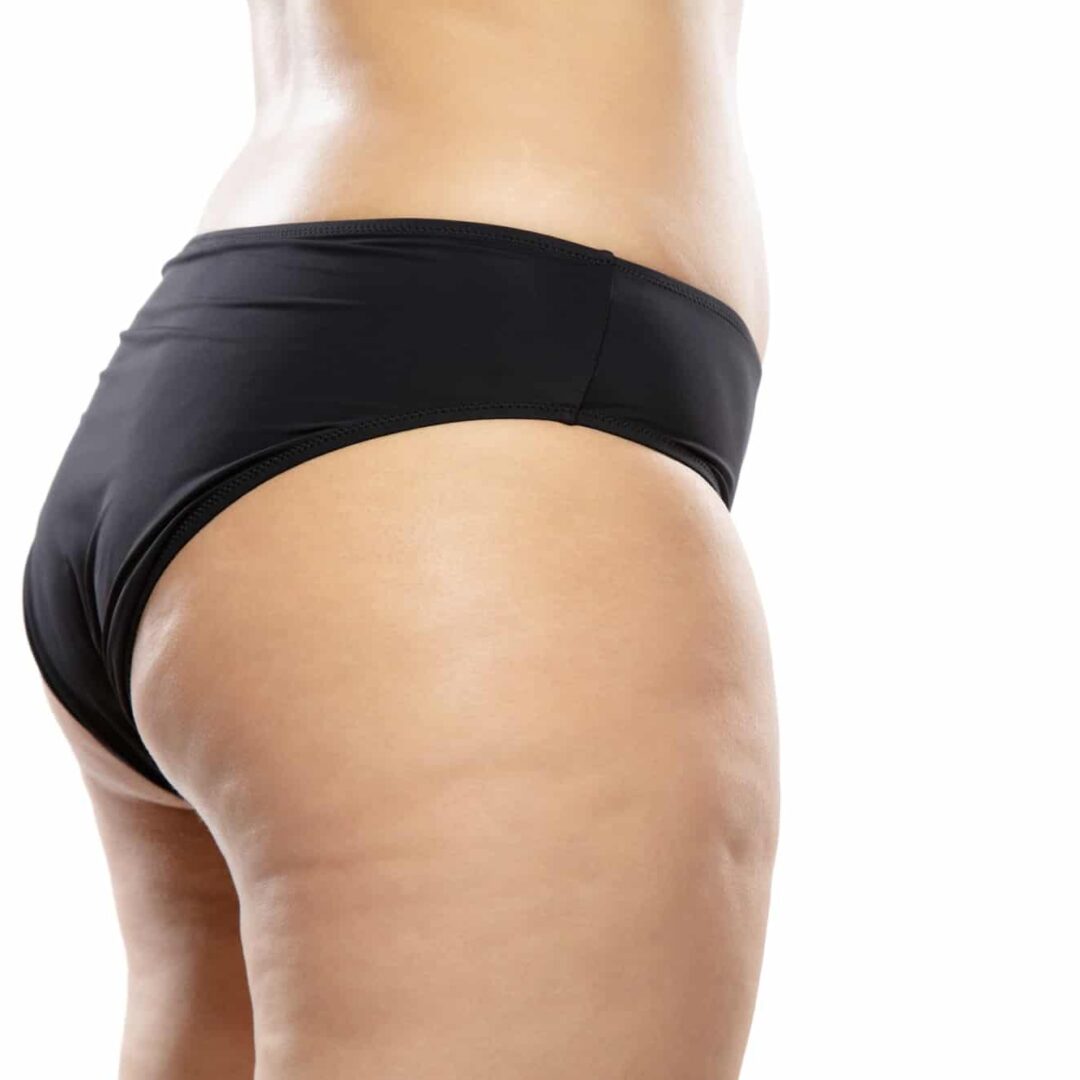

Lipo 360 in Colombia typically costs between $3,000 and $6,000 USD. The procedure is not a weight-loss procedure, but rather a body-contouring surgery that removes fat from the abdomen, flanks, and lower back in a single operation.
Lipo 360 is a circumferential liposuction procedure that removes fat from the abdomen, flanks, and lower back in a single operation. It is not a weight-loss procedure. It is a body-contouring surgery performed under general or tumescent anesthesia, and it carries the same surgical risks as any other liposuction — plus some risks specific to patients who fly internationally shortly afterward.
This article covers what US patients actually pay at Colombian clinics, how to confirm a surgeon is board-certified under Colombia’s national plastic surgery society, what INVIMA (Colombia’s medical regulatory body) governs in the clinic environment, and what complications are documented in the medical literature. If you’re comparing costs and want unfiltered information before making a decision, this is written for you.
What Lipo 360 Actually Involves
Lipo 360 removes fat from the full midsection — front abdomen, love handles, and lower back — creating circumferential contour rather than targeting one area alone. Some surgeons include the upper back or bra roll in the same session, which affects both procedure time and cost.
The technique used matters. Clinics in Colombia offer traditional tumescent liposuction, VASER (ultrasound-assisted), power-assisted liposuction (PAL), and BodyTite (radiofrequency-assisted). Each carries a different price point and a different recovery profile. The term “Lipo 360” describes the anatomical scope — not the technology used. Confirm which technique your quoted price covers.
Lipo 360 is not appropriate for patients who are significantly above their goal weight, have active skin infections, have uncontrolled diabetes, or have bleeding disorders. A thorough pre-operative medical evaluation is required before any reputable surgeon will schedule this procedure.
What It Costs in Colombia vs. the United States
Colombia Price Range
Lipo 360 in Colombia typically costs between $3,000 and $6,000 USD (approximately 12,000,000 to 24,000,000 COP), making it a much more affordable option than in the United States, where prices often range from $8,000 to $15,000 USD.
That range depends on:
- Which technique is used (VASER and BodyTite cost more than tumescent)
- Whether upper-back or additional zones are included
- The surgeon’s individual fee (more experienced, SCCP-certified surgeons charge at the higher end)
- The city (Medellín and Bogotá clinics may quote differently)
The table below shows a full cost picture, not just the surgeon’s fee:
| Cost Component | Estimated Range (USD) |
|---|---|
| Surgeon’s fee | $2,000 – $4,000 |
| Anesthesia | $400 – $800 |
| Clinic/OR facility fee | $800 – $1,500 |
| Compression garments | $150 – $300 |
| Medications (post-op) | $80 – $200 |
| Follow-up visits in Colombia | $200 – $500 |
| Flight + accommodation (10–14 days) | $700 – $1,800 |
| All-in estimate | $4,300 – $9,100 |
All figures are estimates requiring direct confirmation. Exchange rate fluctuations affect COP-denominated pricing.
| Liposuction Procedure | Estimated Cost (USD) |
|---|---|
| Traditional Liposuction | $2,000 – $4,000 |
| Lipo 360 | $3,000 – $6,000 |
| VASER Liposuction | $3,500 – $6,500 |
| SmartLipo (Laser Liposuction) | $3,000 – $5,500 |
| Ultrasound-Assisted Liposuction (UAL) | $3,500 – $6,000 |
| Power-Assisted Liposuction (PAL) | $3,000 – $5,500 |
| High-Definition Liposuction | $4,000 – $7,000 |
| BodyTite (Radiofrequency-Assisted Liposuction) | $4,000 – $6,500 |
US Comparison
According to the American Society of Plastic Surgeons, the average surgeon’s fee for liposuction in the US is $4,711 — and that figure covers the surgeon’s fee only. It excludes anesthesia, facility fees, and garments, which together routinely push the all-in US cost for a procedure of Lipo 360’s scope to the $8,000–$15,000 range.
One counterintuitive point: a lower Colombian procedure price does not automatically mean a lower total cost when you factor in flights, extended accommodation, and the real cost of managing any complication remotely after you return home. Budget for the full trip, not just the procedure fee.
Colombia’s Regulatory Environment for Cosmetic Surgery
INVIMA — Colombia’s Surgical Oversight Body
Colombia’s medical device and pharmaceutical regulator is INVIMA (Instituto Nacional de Vigilancia de Medicamentos y Alimentos), roughly equivalent to the US FDA in scope. INVIMA certifies healthcare institutions and oversees the drugs and devices used in surgical procedures.
INVIMA certification of a clinic tells you the facility meets Colombia’s baseline regulatory requirements. It does not guarantee clinical quality. Look for this status, then look further.
ACHC Accreditation
The ACHC (Acreditación en Salud Colombia) is Colombia’s national hospital accreditation program, analogous to Joint Commission accreditation in the US. A smaller number of Colombian cosmetic surgery clinics have also pursued JCI (Joint Commission International) accreditation, which applies a US-equivalent standard to international facilities.
Ask any clinic you’re considering: “Are you ACHC-accredited or JCI-accredited? Can you provide the accreditation certificate?”
Verifying Your Surgeon’s Credentials
Board certification in Colombia for plastic surgery is issued through the SCCP — Sociedad Colombiana de Cirugía Plástica, Estética y Reconstructiva. The SCCP maintains a searchable member directory on its website where individual surgeon profiles can be located by name and city. A legitimate plastic surgeon should appear there.
Colombia also requires physicians to register with the Registro Único Nacional del Talento Humano en Salud (ReTHUS), administered by the Ministry of Health. The public citizen lookup tool allows anyone to verify a physician’s active registration status by ID number.
Ask every prospective surgeon: “What is your SCCP membership number?” — and verify it independently on the SCCP website. Do not rely on a clinic’s own website listing alone.
Language
Medical Spanish is the working language in Colombian clinics. Many surgeons in Bogotá and Medellín speak functional to fluent English, particularly those who have trained internationally. However, nursing staff, pharmacy staff, and post-op care teams are typically Spanish-speaking. If your Spanish is limited, confirm in advance whether the clinic provides a patient coordinator who speaks English throughout your stay — not just for the consultation.
Visa and Entry
US citizens do not currently require a visa for tourist entry to Colombia for stays under 90 days. You will need a valid US passport. Bring printed copies of your surgical records, pre-op lab results, and your surgeon’s contact information in case of a medical issue in transit. Colombia’s major airports — Bogotá’s El Dorado International and Medellín’s José María Córdova — have on-site medical facilities.
Documented Risks — What the Evidence Shows
Liposuction carries real surgical risks. A large prospective cohort study published in the Aesthetic Surgery Journal found that liposuction performed as a solitary procedure had a major complication rate of 0.7%, with hematoma, pulmonary complications, infection, and confirmed venous thromboembolism among the most common serious events. A more recent 2024 systematic review and meta-analysis across nearly 30,000 patients reported an overall complication rate of approximately 2.62%, with contour deformity being the most prevalent outcome and serious complications such as infection and VTE each occurring in well under 0.1% of cases.
Documented complications include:
- Seroma (fluid accumulation under the skin) — one of the most common post-liposuction issues
- Contour irregularities and asymmetry
- Skin necrosis in cases of aggressive fat removal or compromised blood supply
- Infection, including deep tissue infection
- Anesthesia-related adverse events
- Pulmonary embolism (PE) and deep vein thrombosis (DVT)
The DVT Risk That Medical Travelers Specifically Face
This is the risk most often underweighted in medical travel content. Surgery activates the body’s clotting cascade — a necessary healing response that simultaneously elevates clot risk. A review of liposuction-specific thromboembolism data, published in Plastic and Reconstructive Surgery – Global Open, found that the period of greatest risk for fatal pulmonary thromboembolism runs from the third to the seventh post-operative day, and that up to two-thirds of thromboembolisms in this context are initially asymptomatic.
For patients who then board a 6–10 hour flight home — sitting largely immobile in a pressurized cabin — the combined effect of surgical recovery and prolonged immobility represents a compounded risk window. A 2025 systematic review and meta-analysis in PMC examined VTE risk specifically in surgical patients with recent air travel and found a trend toward elevated odds, though authors noted confounding factors and called for higher-quality prospective data. The practical clinical consensus — and the position of most surgeons who operate on international patients — is that flying home within the first week post-liposuction carries real risk that should not be minimized.
Most surgeons recommend a minimum of 10–14 days in Colombia before flying. Some require clearance via a follow-up Doppler ultrasound before approving travel. Ask your surgeon specifically: “When will you clear me to fly, and what does that clearance involve?” Get it in writing.
Red Flags in Clinic Selection
Avoid any clinic or surgeon that:
- Quotes a price with no line-item breakdown and refuses to itemize
- Cannot provide SCCP membership or ReTHUS registration on request
- Promises specific outcomes in writing (no ethical surgeon guarantees aesthetic results)
- Requires cash-only payment with no formal receipt
- Has no documented plan for complications — including who to contact after you return to the US
- Pushes you to combine multiple major procedures (e.g., Lipo 360 + BBL + breast augmentation) in a single session without thorough medical review
The CDC’s Yellow Book chapter on Medical Tourism and the FDA’s guidance on aesthetic cosmetic devices both offer authoritative frameworks for evaluating overseas surgical facilities and the regulatory gaps that can exist outside the US system.
Questions to Ask Before Booking — Specific and Verifiable
These questions are designed to surface information a reputable clinic will answer readily — and that a problematic clinic will deflect.
- “What is your SCCP membership number? Can I have it in writing so I can verify it on the SCCP directory?”
- “Is this facility ACHC-accredited or JCI-accredited? Can I see the current certificate?”
- “What is your ReTHUS registration number?” (applies to the surgeon)
- “Which anesthesiologist will perform my case, and what are their credentials? Will I have a pre-op call with them?”
- “What is the exact technique you’ll use for my Lipo 360 — tumescent, VASER, PAL, or BodyTite — and why are you recommending that one for my case?”
- “What is your documented protocol if I develop a seroma or infection after I return to the US? Who do I contact, and what do you cover?”
- “When will you clear me to fly, and what is the clearance process? Do you perform a Doppler ultrasound before travel?”
- “Can you provide contact details for a physician in my US city who is familiar with managing post-liposuction complications?”
- “What does your malpractice or liability coverage look like for international patients? Is there any coverage applicable in the US?”
- “Does your informed consent document exist in English, and will I have at least 24 hours to review it before signing?”
- “What is your refund or revision policy if the results require correction?”
- “How many Lipo 360 procedures has this specific surgeon performed in the last 12 months? Can you provide before-and-after photos from their own cases — not stock or manufacturer images?”
What Universal Medical Travel Provides
Universal Medical Travel (UMT) is a medical travel facilitator. That means UMT connects US patients with international clinics, handles logistics coordination, and applies a discount through its clinic partnerships.
UMT is not a medical provider. UMT does not perform, supervise, or take clinical responsibility for any procedure.
What UMT does: Vets partner clinics for general reputation and patient feedback, coordinates consultations, assists with logistics, and provides a point of contact before and during your trip.
What you must still verify yourself: Surgeon credentials via SCCP and ReTHUS, clinic accreditation status, specific complication protocols, and whether any quoted price includes all components. UMT can assist in getting those answers from partner clinics — but independent verification is your responsibility and your protection.
Frequently Asked Questions
Q: Is Lipo 360 the same as a tummy tuck? No. Lipo 360 removes fat via suction through small incisions. A tummy tuck (abdominoplasty) removes excess skin and tightens the abdominal muscles. Patients with significant skin laxity after weight loss are usually better candidates for an abdominoplasty or combined procedure. Your surgeon should assess this before recommending Lipo 360 alone.
Q: How long does Lipo 360 surgery take? Typically 2–4 hours depending on the volume of fat removed and the number of zones treated. Adding the upper back or additional areas extends OR time. Longer anesthesia time carries modestly elevated risk.
Q: Can I get Lipo 360 and a Brazilian butt lift (BBL) in the same trip? Some surgeons perform these together because fat removed via liposuction can be transferred to the buttocks. However, combining major procedures increases total anesthesia time and surgical risk. A 2017 prospective cohort study found that combined procedures carried a relative risk of confirmed VTE 5.65 times higher than liposuction performed alone. Patients should discuss this risk explicitly during consultation and should not agree to combinations without a thorough individual medical review.
Q: What if something goes wrong after I return to the US? This is a real scenario that patients underweight. Your US physician may be unfamiliar with the specific technique used, and your health insurance may not cover complications from elective cosmetic procedures performed abroad. Establish a relationship with a US-based plastic surgeon before you travel — someone who can manage post-op complications if they arise.
Q: How do I know a before-and-after photo is real? Ask the clinic to confirm that photos are from the specific surgeon’s own cases — not from a device manufacturer’s library or a stock image service. Reverse image search notable photos. Ask to speak with a former patient if possible.
Q: Does Colombian malpractice law protect me as a US patient? Colombian law applies to procedures performed in Colombia. US malpractice frameworks do not apply. Pursuing legal recourse from the US against a Colombian clinic is logistically difficult and often cost-prohibitive. This is a real risk factor to weigh before booking.
Q: What is the recovery timeline before I can return to normal activity? Most patients can resume light walking within 3–5 days. Compression garments are typically worn for 4–6 weeks. Strenuous exercise is usually restricted for the same window. Full results — including resolution of swelling — can take 3–6 months to become visible.
Important: This article provides general information about Lipo 360 liposuction in Colombia and is not medical advice. Liposuction carries specific surgical risks, and international medical travel adds additional risks including complications during or after long-haul flights. Outcomes vary by individual. Consult a licensed physician who has reviewed your complete medical history before making any treatment decision or traveling abroad for surgery. Prices, clinic offerings, and regulations change frequently — verify all specifics directly with clinics before committing. Universal Medical Travel is a medical travel facilitator and does not provide medical services.
Sources Cited
- American Society of Plastic Surgeons — Liposuction Cost (average surgeon’s fee): https://www.plasticsurgery.org/cosmetic-procedures/liposuction/cost
- Pannucci CJ et al. (2017). “Cosmetic Liposuction: Preoperative Risk Factors, Major Complication Rates, and Safety of Combined Procedures.” Aesthetic Surgery Journal. PubMed PMID 28430878: https://pubmed.ncbi.nlm.nih.gov/28430878/
- Minhat R et al. (2025). “A systematic review and meta-analysis of venous thromboembolism risk in surgical patients with recent air travel.” PMC12812180: https://pmc.ncbi.nlm.nih.gov/articles/PMC12812180/
- Triana L et al. (2017). “Strategies for Reducing Fatal Complications in Liposuction.” Plastic and Reconstructive Surgery – Global Open: https://journals.lww.com/prsgo/fulltext/2017/10000/strategies_for_reducing_fatal_complications_in.11.aspx
- ElHawary H et al. (2024). “Risks and Complications Rate in Liposuction: A Systematic Review and Meta-Analysis.” PubMed PMID 38563572: https://pubmed.ncbi.nlm.nih.gov/38563572/
- INVIMA — Instituto Nacional de Vigilancia de Medicamentos y Alimentos (Colombia’s health products regulator): https://www.invima.gov.co/
- SCCP — Sociedad Colombiana de Cirugía Plástica, Estética y Reconstructiva (surgeon member directory): https://cirugiaplastica.org.co/
- MinSalud Colombia — ReTHUS physician registration lookup: https://www.minsalud.gov.co/salud/PO/paginas/registro-unico-nacional-del-talento-humano-en-salud-rethus.aspx
- CDC Yellow Book — Medical Tourism: https://www.cdc.gov/yellow-book/hcp/health-care-abroad/medical-tourism.html
- FDA — Aesthetic (Cosmetic) Devices: https://www.fda.gov/medical-devices/products-and-medical-procedures/aesthetic-cosmetic-devices
- Joint Commission International (JCI) — Accreditation standards: https://www.jointcommissioninternational.org/
Your Health Journey Starts Here – Connect with Our Consultants Today!
Please submit the patient form to qualify for the Discount Code or any promotions that are available. If you contact the clinic directly before submitting the form, you will receive the standard prices.
Patient Information Form (Discount Code: UMT 5%)Want to see more of our medical travel guides in Google Search?